
Unlocking the Secrets: How to Propagate the Rare Casearia povedae
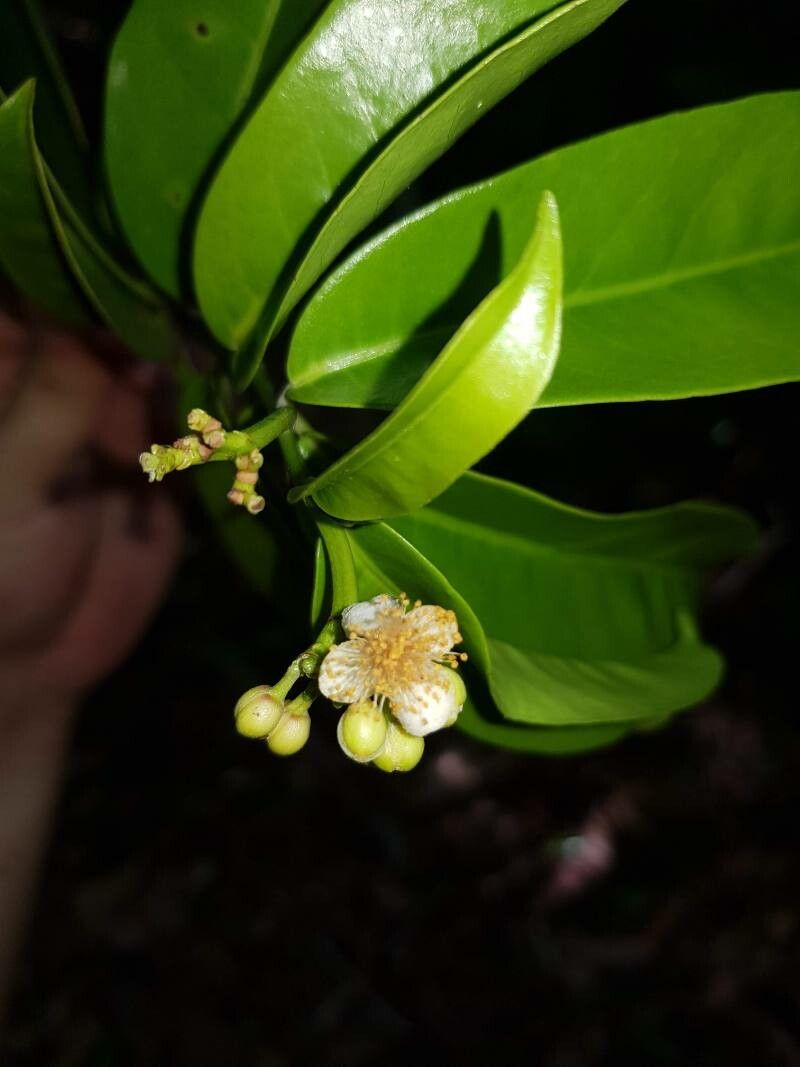
The Casearia povedae, a rare and beautiful flowering tree native to Puerto Rico, is a true gem of the Caribbean. With its delicate white blooms and vibrant green foliage, it’s no surprise that plant enthusiasts are captivated by its charm. However, due to habitat loss and its endangered status, getting your hands on one can be a challenge.
That’s where propagation comes in! While naturally slow-growing, successfully propagating Casearia povedae can help increase its numbers and ensure its survival for future generations. It’s a rewarding endeavor that allows you to contribute to conservation efforts while adding a touch of exotic beauty to your own green space.
Two Paths to Propagation
Currently, there are two primary methods for propagating Casearia povedae:
1. The Seed Route:
This method, though considered less reliable, holds the potential for greater genetic diversity. Here’s how:
- Source your seeds: Your best bet is to source seeds from reputable botanical gardens or conservation organizations actively involved in Casearia povedae preservation.
- Prepare for planting: Casearia povedae seeds have a hard outer coating. To improve germination rates, gently scarify the seeds by nicking them with a file or soaking them in warm water for 24 hours.
- Provide the ideal environment: Plant the seeds in a well-draining seed starting mix, and keep them consistently moist but not waterlogged. A warm, humid environment with indirect sunlight is ideal for germination.
- Be patient: Germination can take several weeks to months, so don’t be discouraged if you don’t see results immediately.
2. The Cutting Edge: Propagation from Cuttings
Propagation from cuttings offers a higher success rate, making it the preferred method for many.
- Timing is Key: The best time to take cuttings is during the plant’s active growing season, typically in spring or early summer.
- Select healthy stems: Choose healthy, semi-hardwood stems that are approximately 4-6 inches long and free of any pests or diseases.
- Prepare the cuttings: Remove the leaves from the lower half of the stem. It’s also beneficial to dip the cut end in rooting hormone powder to encourage root development.
- Plant with care: Insert the cuttings into a well-draining potting mix, ensuring the nodes where the leaves were removed are buried beneath the soil.
- Create a humid haven: Cover the cuttings with a plastic bag or humidity dome to maintain moisture. Place them in a warm location with bright, indirect light and make sure the soil remains consistently moist.
- Watch for roots: After several weeks, gently tug on the cuttings to check for resistance. Resistance indicates root development. Once a healthy root system forms, you can transplant the cuttings into individual pots.
Nurturing Your Casearia povedae
Whether you choose to propagate from seed or cuttings, providing the right care is crucial for the plant’s survival.
- Well-Drained Soil: Casearia povedae thrives in soil that drains well. A mix of peat moss, perlite, and vermiculite is ideal.
- Light Requirements: While it appreciates bright, indirect light, it’s essential to protect your Casearia povedae from harsh, direct sunlight, especially during the hottest hours of the day.
- Watering Wisdom: Water deeply but infrequently, allowing the soil to dry slightly between waterings. Overwatering can lead to root rot, which can be fatal.
- Humidity is Key: As a tropical plant, Casearia povedae flourishes in humid environments. Misting the leaves regularly or using a humidifier can help replicate its natural habitat.
Propagating Casearia povedae might require patience and dedication, but the rewards are immeasurable. By taking on this challenge, you’re not just growing a plant; you’re playing a vital role in conserving a rare and beautiful species for generations to come.