
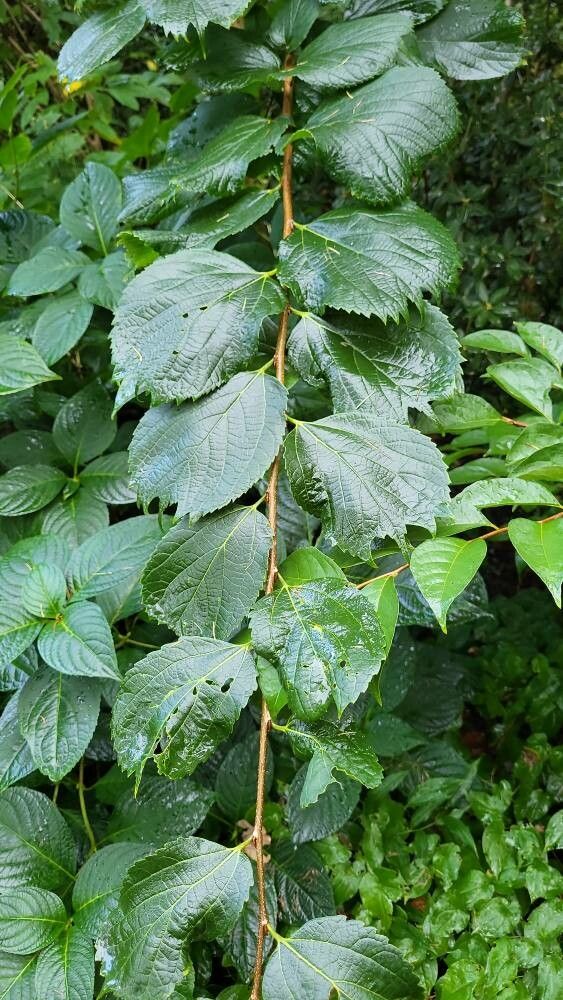
Unveiling the Secrets of Korean Hackberry Propagation: A Guide to Growing Celtis koraiensis
The Korean hackberry, scientifically known as Celtis koraiensis, is a handsome deciduous tree prized for its picturesque silhouette, vibrant fall foliage, and resilience in challenging conditions. Whether you’re an experienced gardener or a curious novice, understanding the art of propagation can unlock a world of possibilities for introducing this stunning species to your landscape.
While Celtis koraiensis might sound intimidating, propagating it is surprisingly achievable. Let’s delve into two primary methods:
1. Sow the Seeds of Success: Propagating from Seed
For the patient gardener, growing Celtis koraiensis from seed offers a deeply rewarding experience. Here’s how:
- Seed Collection and Preparation: Gather mature fruits, identifiable by their dark purple, almost black, color in late summer or early fall. Remove the fleshy outer layer and clean the seeds thoroughly.
- Stratification: Nature’s Cold Treatment: Korean hackberry seeds benefit from a period of cold stratification, mimicking the natural winter dormancy. Place the cleaned seeds in a moist medium like a mix of sand and peat moss. Store them in a sealed bag in your refrigerator (around 4°C or 40°F) for 60-90 days.
- Sowing Time: Spring is ideal for sowing the stratified seeds. Choose a well-draining seed starting mix and sow them about 1-inch deep. Keep the soil consistently moist but not waterlogged.
- Patience is Key: Germination can take several weeks. Once the seedlings emerge and develop a few sets of true leaves, you can transplant them into individual pots.
2. Cuttings: A Faster Path to New Beginnings
For those seeking quicker results, propagating Celtis koraiensis from cuttings is a viable option:
- Timing is Crucial: Early summer is the prime time for taking hardwood cuttings. Choose healthy branches from the current year’s growth.
- Taking the Cutting: Select a branch segment about 6-8 inches long. Make a clean cut just below a leaf node, the point where leaves emerge. Remove the leaves from the lower half of the cutting.
- Encourage Root Development: Dip the cut end in rooting hormone powder to stimulate root growth.
- Planting the Cutting: Plant the cutting in a well-draining potting mix, ensuring that at least two leaf nodes are buried.
- Creating a Humid Environment: Cover the pot with a clear plastic bag or use a propagation dome to retain moisture and humidity. This helps to prevent the cutting from drying out.
- Patience, Once Again: Keep the soil consistently moist and wait for roots to develop, which may take several weeks.
Nurturing Your Celtis koraiensis:
Regardless of the method chosen, young Korean hackberry trees thrive in well-draining soil and a sunny location. Water them regularly, especially during their first year of growth. A light application of balanced fertilizer in spring can further support their development.
Propagating Celtis koraiensis is a fulfilling way to connect with nature and introduce this remarkable tree to your surroundings. With patience, care, and a touch of green thumb magic, you can witness the journey from seed or cutting to a flourishing arboreal masterpiece.