
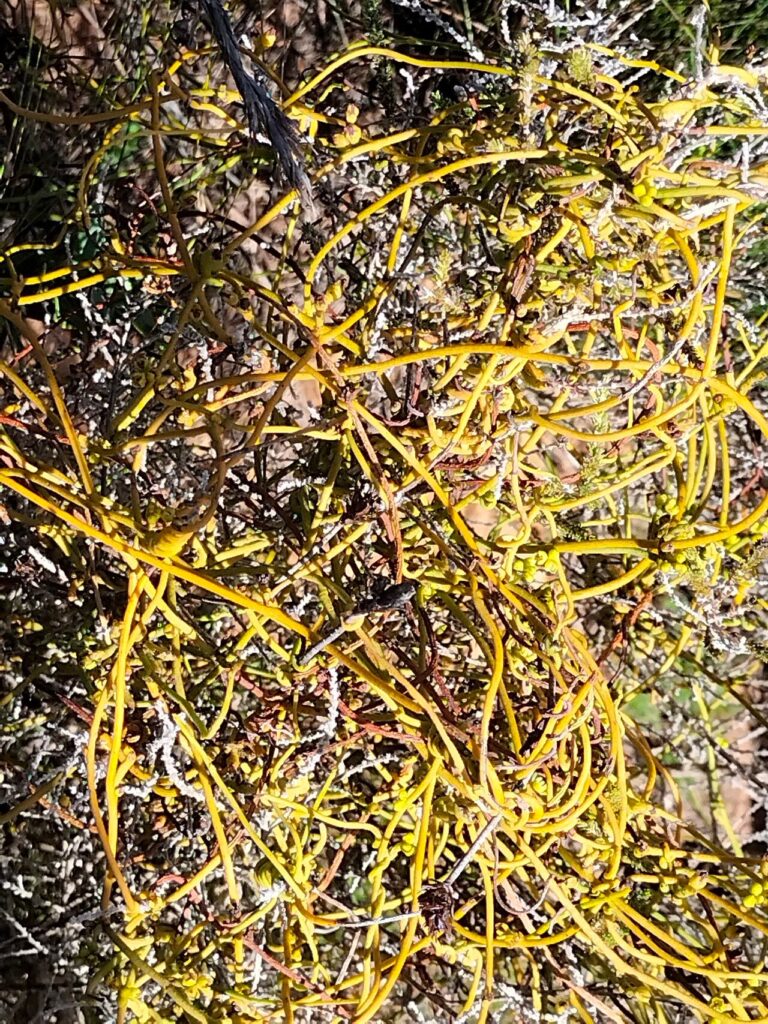
Cassytha Ciliolata: Taming the Tenacious Dodder Vine
The plant kingdom is full of intriguing characters, and Cassytha ciliolata, commonly known as the dodder vine, definitely steals the show with its unusual lifestyle. This parasitic vine, with its delicate appearance and aggressive growth habit, presents a unique challenge for those looking to introduce it into their gardens.
A Life Less Ordinary:
Unlike most plants that draw nutrients from the soil, Cassytha ciliolata is a true parasite. Lacking true leaves and roots, it survives by entwining itself around host plants and tapping into their vascular system using specialized structures called haustoria. This parasitic behavior, while fascinating, means that propagating and cultivating Cassytha ciliolata requires a different approach compared to traditional gardening methods.
Propagation Prowess:
While Cassytha ciliolata readily spreads in the wild, replicating this success in a controlled environment presents a unique set of challenges. Here are the two primary methods for propagating this tenacious vine:
1. Stem Cuttings:
This method, relying on the vine’s ability to readily develop haustoria, proves to be the most effective for propagation:
- Timing is Key: Take cuttings during the plant’s active growing season, ideally in spring or early summer, when it’s bursting with vigor.
- Cut and Select: Identify healthy, vigorous stems and use a sharp, sterilized knife or shears to take cuttings about 10-15 centimeters long. Each cutting should have several nodes, the points from where leaves would typically grow.
- Introduce the Host: Prepare a pot with a suitable host plant. Consider fast-growing, resilient species that can withstand the dodder’s parasitic tendencies.
- Connect and Secure: Gently wind the cutting around the host plant, ensuring close contact between the stem and the host’s stem. You can use a small stake or soft plant tie to secure the cutting until it establishes a firm connection.
- Patience and Observation: Maintain consistent moisture and monitor the cutting for signs of growth, which typically manifests as new stem growth or the development of haustoria.
2. Seed Germination:
Though less reliable than stem cuttings, seed germination offers another option for propagating Cassytha ciliolata:
- Seed Source: Obtain fresh, viable seeds from a reputable supplier or collect them directly from mature dodder vines.
- Surface Sowing: Due to their light-sensitive nature, sprinkle the seeds on the surface of a well-draining seedling mix without burying them.
- Host Plant Proximity: Place the seed tray near a suitable host plant. The presence of the host is thought to stimulate germination due to chemical signals released by the potential host.
- Moisture and Light: Maintain consistently high humidity and provide bright, indirect light to encourage germination, which can be erratic and take several weeks.
A Note of Caution:
While fascinating, Cassytha ciliolata’s parasitic nature requires careful consideration. Its uncontrolled growth can have detrimental effects on surrounding vegetation. If you choose to cultivate this unique vine, do so responsibly and within a contained environment to prevent it from becoming invasive.
Propagating Cassytha ciliolata is a rewarding endeavor for adventurous gardeners. By understanding its unique needs and exercising careful management, you can successfully introduce this intriguing plant into your collection and marvel at its tenacious spirit and unusual beauty.