
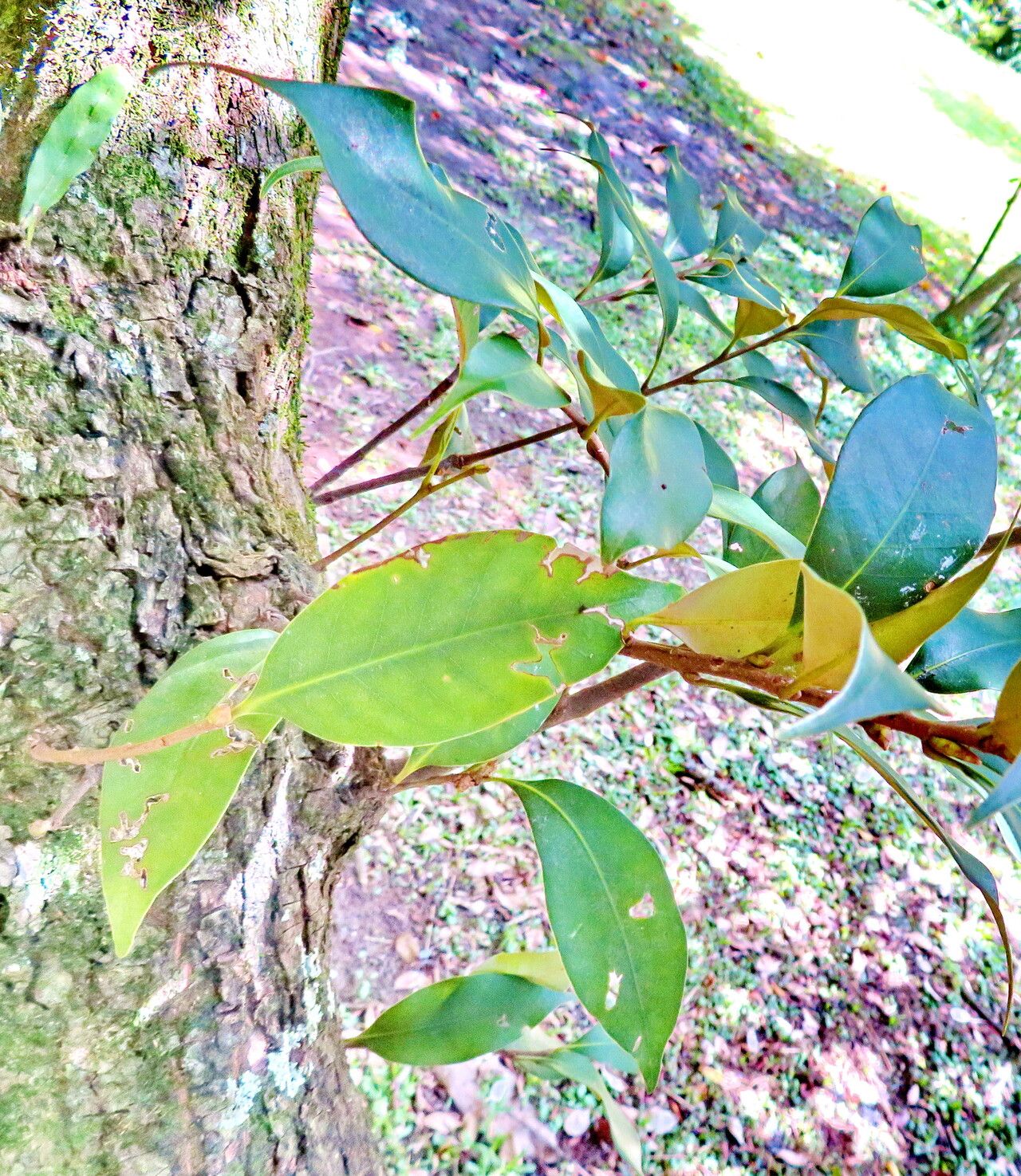
Propagating Castanopsis cuspidata: A Challenge Worth Embracing
Castanopsis cuspidata, also known as the Japanese chinquapin, is a striking evergreen tree prized for its glossy, dark green leaves, attractive reddish-brown bark, and edible nuts. Its relatively compact size and tolerance of shade make it a popular choice among gardeners seeking an interesting and unique addition to their landscapes. However, propagating this species presents several challenges, making successful cultivation a rewarding endeavor for the dedicated plant enthusiast.
Seed Germination:
Seed germination is a viable, albeit challenging, method for propagating Castanopsis cuspidata. The primary hurdle is the relatively hard seed coat, which inhibits water uptake and germination. This often requires a period of stratification – a process of exposing the seeds to cold, moist conditions to break dormancy.
Challenges: Low germination rates are common, even with stratification. Seed viability can also be affected by the age and storage conditions of the seeds.
Practical Tips: Collect seeds in autumn after they have fully matured. Stratify seeds for 3-4 months at temperatures between 33-41°F (0-5°C) in a moist medium, such as peat moss or vermiculite. Sow seeds in spring in a well-drained potting mix, ensuring good drainage to prevent fungal issues. Maintain consistent moisture levels but avoid overwatering.
Rewards: Successful seed germination offers the advantage of genetic diversity, resulting in a wider range of plant characteristics. This method also holds the potential for large-scale propagation, particularly valuable for conservation efforts or establishing new populations.
Cuttings:
Currently, there are no known reliable methods for propagation of Castanopsis cuspidata via cuttings. The species exhibits low rooting success rates using traditional hardwood or softwood cutting techniques. Research into alternative cutting methods and hormone treatments may be needed to achieve successful propagation through this method.
Division:
Division is not a practical method for propagating Castanopsis cuspidata. This is because the plant develops a single, deep taproot, making division extremely difficult and likely fatal to the plant.
Tissue Culture:
Tissue culture offers a potentially promising avenue for Castanopsis cuspidata propagation. However, establishing reliable protocols for this method requires specialized laboratory equipment and expertise.
Challenges: Developing suitable media and hormone combinations for successful shoot multiplication and rooting requires significant experimentation. Contamination risks are also relatively high in tissue culture.
Practical Tips: This is a highly specialized technique best left to experienced tissue culture laboratories.
Rewards: Tissue culture allows for the rapid multiplication of elite genotypes, producing many identical plants with desirable characteristics. This method is particularly valuable for conservation and commercial propagation purposes, circumventing the limitations of seed germination and cutting propagation.
Conclusion:
Propagating Castanopsis cuspidata presents several challenges, regardless of the chosen method. Seed germination offers a viable path with the potential for genetic diversity, but success requires patience and attention to detail. Cuttings and division are not currently feasible options. Tissue culture promises high-yield propagation but demands specialized knowledge and equipment.
Despite the difficulties, the satisfaction of successfully cultivating this beautiful and unique tree is immense. The rewards extend beyond the aesthetic appreciation; contributing to the preservation and propagation of a valuable species provides a deep sense of accomplishment. For aspiring propagators, persistent experimentation, careful attention to detail, and a willingness to learn from setbacks are key to ultimately achieving success with this challenging but ultimately rewarding plant.