
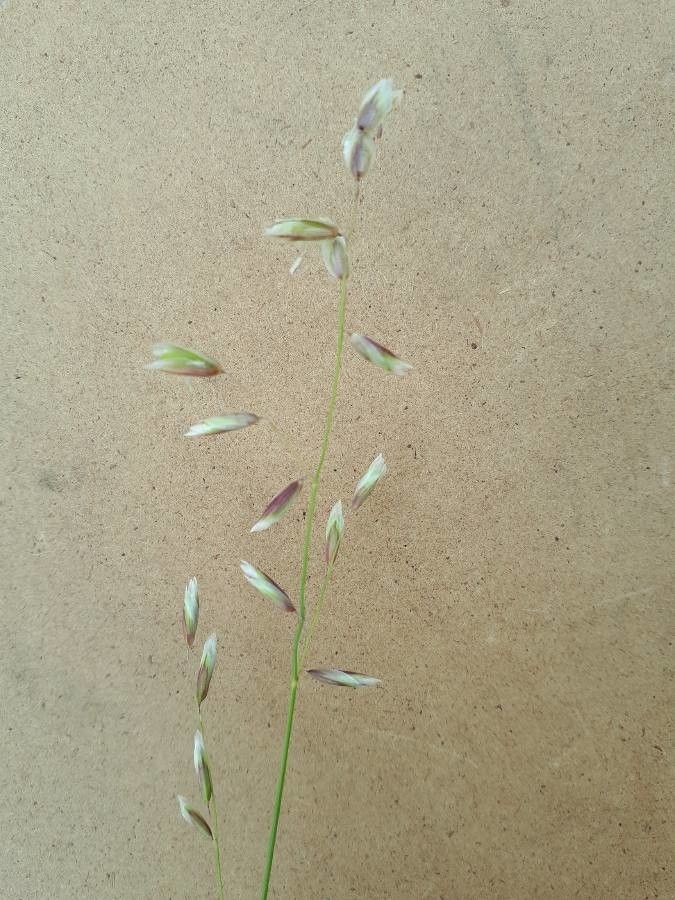
Propagating Melica stricta: The Challenges and Rewards of Cultivating the Rigid Melic
Introduction:
Melica stricta, commonly known as the rigid melic or stiff melic, is a charming, clump-forming perennial grass prized for its delicate, nodding flower heads and graceful foliage. Its upright habit and tolerance of poor soils make it a popular choice among gardeners seeking low-maintenance, aesthetically pleasing additions to borders, rockeries, or naturalistic plantings. While relatively easy to establish once grown, propagating Melica stricta presents some unique challenges, making success all the more rewarding. Its propagation is not widely documented, warranting a closer examination of various techniques.
Seed Germination:
Currently, there are no known reliable methods for seed germination propagation of Melica stricta. While seeds may be produced, germination rates appear consistently low, potentially due to factors such as seed dormancy or specific germination requirements not yet identified. Further research is needed to explore potential treatments like stratification or specific hormonal applications.
Cuttings:
Propagating Melica stricta from cuttings presents considerable difficulties. Hardwood or softwood cuttings have shown limited success. The plant’s physiology doesn’t readily lend itself to rooting from stem sections. Challenges include low rooting rates and susceptibility to fungal diseases during the rooting process. While some experimental success may occur under highly controlled conditions (e.g., with the use of rooting hormones and mist propagation), this method is not considered a viable option for the average gardener.
Division:
Division is the most reliable and commonly used method for propagating Melica stricta. This technique works best in spring or autumn.
Challenges: Mature clumps need to be large enough to divide effectively, without overstressing the parent plant. Care must be taken to ensure each division has sufficient root mass to establish itself. Poorly divided clumps are slow to recover and vulnerable to pests and diseases.
Tips: Sharp, clean tools are crucial to prevent disease transmission. Plant divisions promptly after separating them from the parent plant, ensuring adequate watering to aid establishment.
Rewards: Division offers a relatively straightforward way to increase the number of plants while preserving the genetic characteristics of the mother plant. It is often the most efficient method for propagating existing specimens.
Tissue Culture:
Tissue culture, a sophisticated laboratory technique, offers theoretical potential for propagating Melica stricta on a large scale.
Challenges: Establishing sterile cultures and optimizing growth media are crucial steps facing significant challenges; the specific requirements for successful tissue culture of Melica stricta are yet to be fully understood. This method would be cost-prohibitive for hobbyist growers and generally requires specialized equipment and expertise.
Tips: Specialized knowledge of plant tissue culture techniques is essential. This is not a method easily undertaken by home propagators.
Rewards: Tissue culture offers the potential for mass propagation, preserving clonal material and allowing for disease-free stock production, but this is not accessible to most gardeners.
Conclusion:
Propagating Melica stricta presents a unique set of challenges that require patience and understanding. While seed germination is currently unreliable, division remains the most practical and successful method for the average gardener. Cuttings and tissue culture present significant challenges and are not easily adopted for domestic cultivation.
The satisfaction derived from successfully propagating this graceful grass, through the potentially arduous process of division, is unparalleled. The reward of seeing a small division thrive into a robust, flowering clump is a testament to the patience and attention afforded to the process, enriching the gardener’s understanding and appreciation of this understated, yet beautiful, plant. If attempting propagation, always prioritize the health of the parent plant and embrace the challenges as opportunities to refine your gardening skills. Remember, a successful outcome relies greatly on understanding the plant’s specific requirements and providing optimal conditions.