
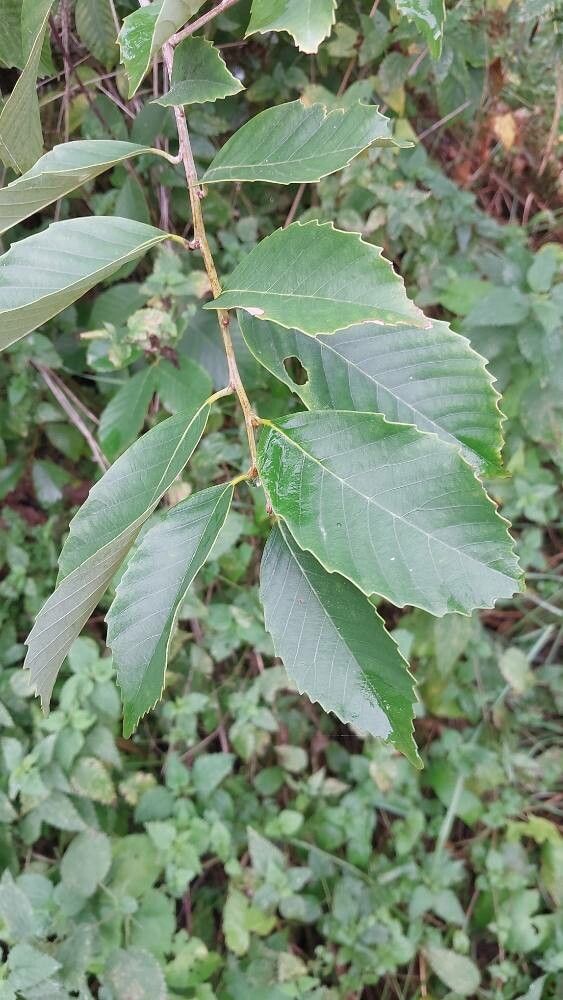
Unlocking the Secrets of Chestnut-Leaved Chinquapin: Propagating Castanopsis fargesii
The Castanopsis fargesii, also known as the Chestnut-Leaved Chinquapin, is a striking tree native to the forests of southwestern China and northern Vietnam. With its glossy, evergreen leaves that resemble those of a chestnut tree, and its attractive, spiky fruit, the Castanopsis fargesii has become a sought-after addition to gardens and landscapes worldwide.
But beyond its beauty lies a fascinating challenge: propagating this remarkable species. While it can be tricky, the reward of cultivating your own Castanopsis fargesii is well worth the effort. Let’s dive into the secrets of this process, exploring the various methods available to bring new life to this unique tree.
The Art of Propagation
There are two primary techniques for propagating Castanopsis fargesii: seed propagation and vegetative propagation.
1. Propagation through Seeds:
- Harvesting the Seeds: The journey begins with collecting mature fruit from the Castanopsis fargesii. These spiky, chestnut-like fruits contain the precious seeds.
- Seed Preparation: Once collected, the seed needs to be freed from the fruit and then scarified. This process involves lightly nicking the seed coat to break its dormancy and encourage germination.
- Sowing and Germination: After scarification, the seeds should be sown in a well-drained, fertile seed starting mix. Maintain a consistently moist environment, and be patient – germination can take several weeks to months.
2. Vegetative Propagation: Harnessing the Power of Clones
Vegetative propagation involves taking cuttings from an established Castanopsis fargesii and encouraging them to develop into independent plants. This method offers the advantage of producing genetically identical clones, ensuring that the new plants retain the desirable traits of the mother tree.
- Taking Cuttings: The ideal time for taking cuttings is in the late summer or early fall. Choose healthy, young shoots with vigorous growth. Cuttings should be approximately 4-6 inches long and should ideally include at least one leaf node.
- Rooted in Abundance: Dip the cut end in rooting hormone and plant the cuttings in a suitable rooting medium, such as a mix of peat moss and perlite. Maintain high humidity and warmth, using a propagator or misting regularly. If successful, new roots should emerge in several weeks to months.
Tips for Success
- Environment Matters: Castanopsis fargesii thrives in well-drained, slightly acidic soil.
- Patience is Key: Propagation of this tree can be a patient endeavor. Be prepared to spend time nurturing your young plants.
-
Choose a Suitable Climate: Castanopsis fargesii prefers a temperate climate and is hardy in USDA zones 7-9.
The Castanopsis fargesii: A Garden Treasure
Whether you choose the seed or vegetative propagation method, propagating this unique tree offers a rewarding experience. It allows you to witness the magic of life taking root, and, in time, to enjoy the beauty of your very own Castanopsis fargesii, contributing to the diversity and character of your garden space.