
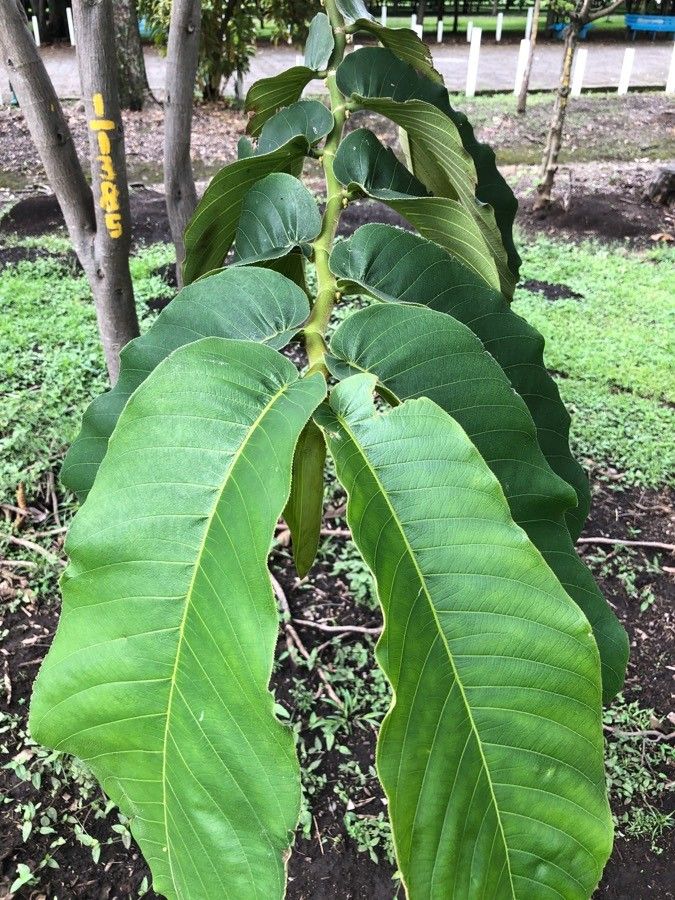
Propagating Castilla elastica: Challenges and Rewards of Cultivating the Panama Rubber Tree
Introduction:
Castilla elastica, commonly known as the Panama rubber tree, is a striking neotropical tree prized for its large, glossy leaves and potential for rubber production. While not as widely cultivated as its Asian counterpart, Hevea brasiliensis, it holds significant horticultural interest, particularly among enthusiasts of unusual tropical plants. Its attractive foliage and the challenge associated with its propagation contribute to its popularity. Unique aspects concerning Castilla elastica propagation include its potentially recalcitrant seed and the relative difficulty in striking cuttings compared to some other species.
Seed Germination:
Currently, there are no known reliable methods for seed germination propagation of Castilla elastica. While the tree produces seeds, their viability is notoriously low, and successful germination rates are extremely poor, even under ideal conditions. The seeds are likely recalcitrant, meaning they lack the ability to tolerate drying, and rapid deterioration after dispersal is common.
Cuttings:
Cuttings present a more viable option for propagating Castilla elastica than seed germination. However, this method presents its own challenges.
Challenges: Successfully rooting cuttings requires careful attention to several factors. The success rate is often low due to the susceptibility to fungal infections and slow rooting time. Older, semi-hardwood cuttings are generally preferred to softwood cuttings.
Practical Tips: Use a sharp, clean blade to take cuttings of about 10-15cm length, ideally from actively growing stems. Remove lower leaves to prevent rotting. Dip the cut ends in a rooting hormone powder and plant them in a well-draining, sterile propagation mix (e.g., a blend of perlite and peat moss). Maintain high humidity (e.g., using a propagator or covering with a plastic bag) and consistent warmth (25-30°C). A bottom heat mat can significantly improve rooting success.
Rewards: Cuttings offer a reliable method to propagate desired genotypes, ensuring that the new plant retains the parent plant’s characteristics. This is particularly advantageous when dealing with superior clones.
Division:
Division is not a practical propagation method for Castilla elastica. It is a tree with a large, established root system, making division highly impractical and damaging to the plant.
Tissue Culture:
Tissue culture offers the potential for large-scale propagation and the production of disease-free plants.
Challenges: Establishing aseptic procedures and maintaining sterile conditions is crucial, requiring specialized equipment and expertise. Identifying suitable growth media and optimizing hormonal balance for shoot proliferation and root initiation in Castilla elastica may also be challenging.
Practical Tips: This method requires a lab environment and specialized knowledge. Tissue culture protocols need to be developed specifically for Castilla elastica and optimized for successful growth.
Rewards: Tissue culture offers the best chance to generate large numbers of genetically uniform plants, useful for plantations or commercial applications.
Conclusion:
Propagating Castilla elastica presents considerable challenges across all methods. Seed germination is largely unreliable, while cuttings provide a more feasible, albeit still demanding option, requiring patience, attention to detail, and sometimes a high tolerance for failure. Tissue culture, though potentially offering high yields, necessitates specialized equipment and expertise. The rewards, however, are equally substantial: the chance to cultivate this fascinating and beautiful tree, and the inherent satisfaction of mastering a challenging propagation process. For aspiring propagators, it’s recommended to start with cuttings, ensuring meticulous hygiene and providing optimal environmental conditions. While failure is possible, persistence and attention to detail will significantly increase your chances of successfully growing a Panama rubber tree. The journey, though fraught with potential setbacks, is ultimately part of the unique pleasure of cultivating this remarkable species.