
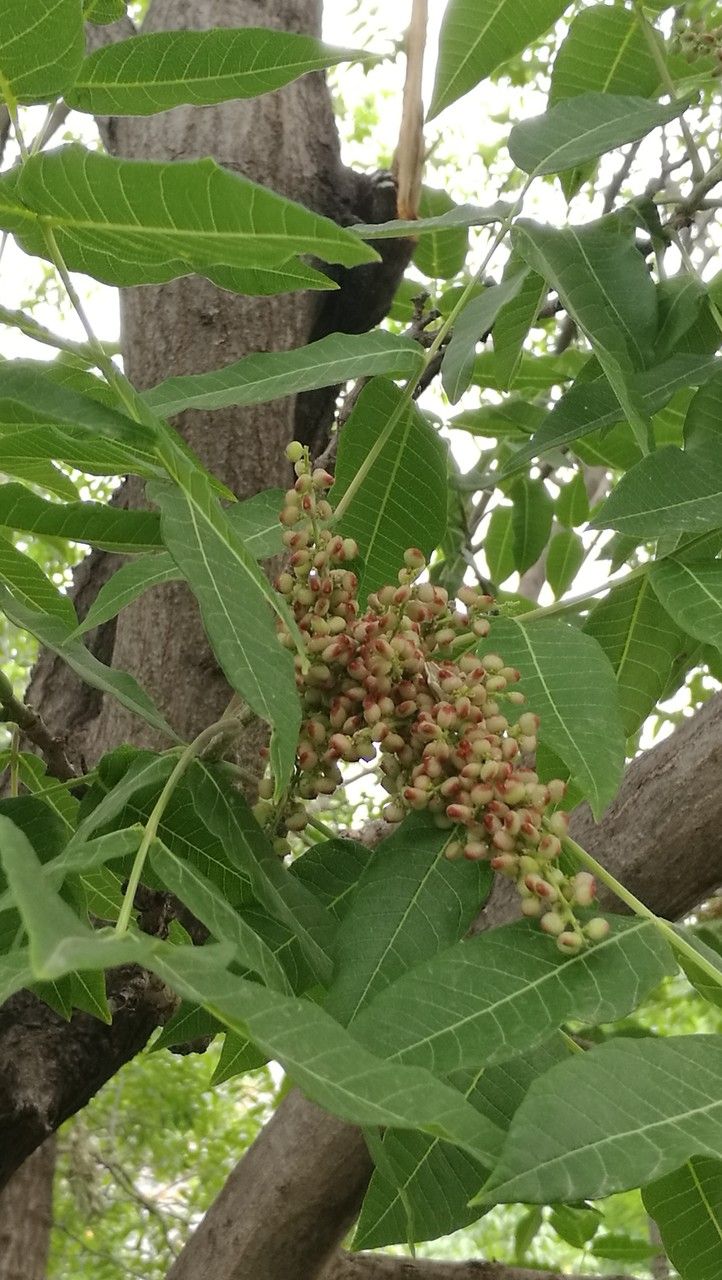
Propagating Rhus chinensis: Challenges and Rewards of Cultivating Chinese Sumac
Introduction
Rhus chinensis, commonly known as Chinese sumac, is a captivating shrub or small tree prized for its vibrant foliage, attractive berries, and adaptability. Its striking autumnal colors, ranging from fiery reds and oranges to yellows, make it a popular choice amongst landscape designers and home gardeners alike. The plant’s ability to tolerate a range of soil conditions and its relatively low maintenance requirements further enhance its appeal. However, propagation of Rhus chinensis presents unique challenges, demanding patience and specific techniques. This article explores various propagation methods, outlining their feasibility and offering practical advice.
Seed Germination
Seed germination for Rhus chinensis is possible but presents several challenges. The seeds possess a hard seed coat that inhibits water uptake, requiring pre-treatment. Successful germination often involves stratification – a period of cold, moist storage mimicking natural winter conditions.
Challenges: Low germination rates are common even with stratification. Proper timing and temperature control are crucial for success. Improper stratification can lead to seed rot.
Tips: Collect ripe seeds in autumn. Clean the seeds of pulp and allow them to dry slightly. Stratify the seeds for 60-90 days at temperatures between 33-41°F (0-5°C) in a moist medium like vermiculite or peat moss. Sow the stratified seeds in well-drained seed-starting mix in spring, maintaining consistently moist but not waterlogged conditions.
Rewards: Seed germination offers the potential for high genetic diversity, leading to a wider range of plant characteristics. It’s also a cost-effective method for large-scale propagation.
Cuttings
Propagating Rhus chinensis from cuttings is a more reliable method than seed germination. Both hardwood and semi-hardwood cuttings can be attempted.
Challenges: Rooting success can vary depending on the timing, cutting type, and the use of rooting hormones. Proper sanitation is crucial to avoid fungal infections.
Tips: Take cuttings in late summer (semi-hardwood) or late autumn/early winter (hardwood). Use a sharp knife or shears to make clean cuts, and treat the cuttings with a rooting hormone. Plant cuttings in a well-draining rooting medium (e.g., perlite, vermiculite) and maintain a high humidity environment using a propagation chamber or plastic bag.
Rewards: Cuttings are faster to produce plants than seeds, and they maintain the parent plant’s characteristics, ensuring consistency.
Division
Division of established Rhus chinensis plants is feasible, particularly for smaller, less mature specimens.
Challenges: Larger plants are difficult and potentially damaging to divide. Mature plants are less likely to recover successfully.
Tips: Divide plants during dormancy (late autumn to early spring). Ensure each division has well-established roots and enough foliage to sustain its growth. Plant the divisions promptly in well-prepared soil.
Rewards: Division is a quick method for multiplying a desirable plant, particularly if space is limited.
Tissue Culture
Tissue culture propagation of Rhus chinensis is a more advanced technique, requiring specialized expertise and equipment.
Challenges: This method is highly technical, requires sterile conditions, and specialized laboratory equipment. It is also expensive and labor-intensive.
Tips: Tissue culture requires specific protocols (not publicly available for all species). Contact a professional tissue culture laboratory for assistance.
Rewards: Tissue culture allows for rapid multiplication of desirable plants in a relatively short amount of time, producing disease-free stock, and ensuring genetic uniformity. It is particularly useful for conservation purposes.
Conclusion
Propagating Rhus chinensis, while presenting various challenges, is ultimately rewarding. Cuttings generally offer the highest success rate for the home gardener, while seed germination, though challenging, offers the broadest genetic variability. Division is useful for small plants, and tissue culture remains a specialized technique best left to professionals. The effort expended in successfully cultivating this vibrant plant, from overcoming germination hurdles to nurturing cuttings to maturity, imbues the experience with a special satisfaction. The fiery beauty of the autumn foliage is a testament to the perseverance and skill of the propagator. So, embrace the challenge; the rewards of successfully propagating Rhus chinensis are well worth the effort.