
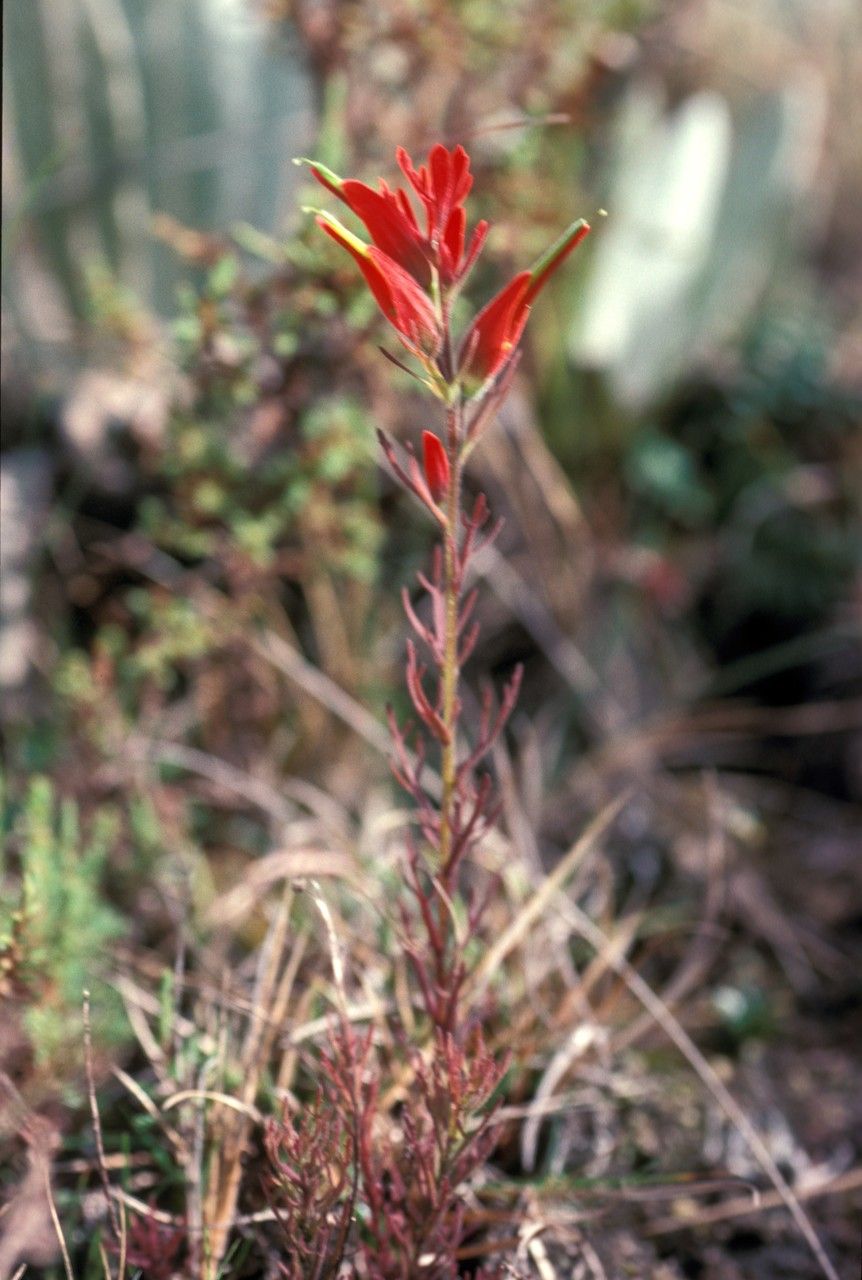
Taming the Wildfire Paintbrush: Propagating Castilleja fissifolia
Castilleja fissifolia, also known as the Wavy-leaved Indian Paintbrush or the Wildfire Paintbrush, bursts forth with vibrant orange-red bracts in the late spring, mimicking the very fires that often precede its flourishing. This captivating wildflower, native to Western North America, has captivated hearts with its beauty, leading many to wonder: can we bring this fiery charm into our gardens?
The answer, while not impossible, is a resounding “it’s complicated.” Unlike many garden favorites easily propagated from cuttings or seeds, Castilleja fissifolia presents a unique challenge: it’s a hemiparasite. This means it requires a host plant to truly thrive, drawing some of its nutrients from their roots.
Navigating the Symbiotic Relationship:
Successfully cultivating Castilleja fissifolia starts with understanding its symbiotic needs. In its natural habitat, it often pairs with grasses, such as Festuca species, or other wildflowers like Achillea millefolium (Yarrow). These host plants provide the essential nutrients that allow Castilleja to flourish.
Seeds: Collecting seeds from established plants in late summer offers the most common propagation method.
- Timing is Key: Sow seeds directly in the fall, as they require a period of cold stratification to germinate.
- Host Plant Proximity: Plant seeds near established compatible host plants. A light dusting of the soil from around a healthy host plant can introduce beneficial mycorrhizal fungi, further aiding the seedling’s development.
- Patience is a Virtue: Germination can be erratic, taking anywhere from a few months to over a year.
- Root Cuttings: While less common, experienced gardeners have found success with root cuttings.
- Timing: Take root cuttings in late fall or early spring when the plant is dormant.
- Healthy Host Plant: Ensure a healthy host plant is readily available for the cutting to attach to.
- The Process: Carefully sever a small section of root with a sharp, sterilized knife, ensuring a portion of the root crown is included. Plant the cutting near the host plant, keeping it consistently moist.
Creating the Ideal Environment:
Castilleja fissifolia thrives in well-drained soil with good air circulation.
- Sunlight Requirements: Provide at least six hours of sunlight per day, although some afternoon shade might be beneficial in hotter climates.
- Watering: While Castilleja tolerates some drought conditions, consistent moisture, especially during establishment, is crucial.
- Fertilizer: Avoid excessive fertilizers, as this can harm the delicate balance with the host plant.
Challenges and Rewards:
Propagating Castilleja fissifolia is not for the faint of heart. It demands patience, careful observation, and an understanding of its unique symbiotic relationship. Yet, the reward of witnessing those fiery blossoms emerge in your own garden, a testament to your dedication and the wonders of nature’s interconnectedness, is a prize well worth pursuing.