
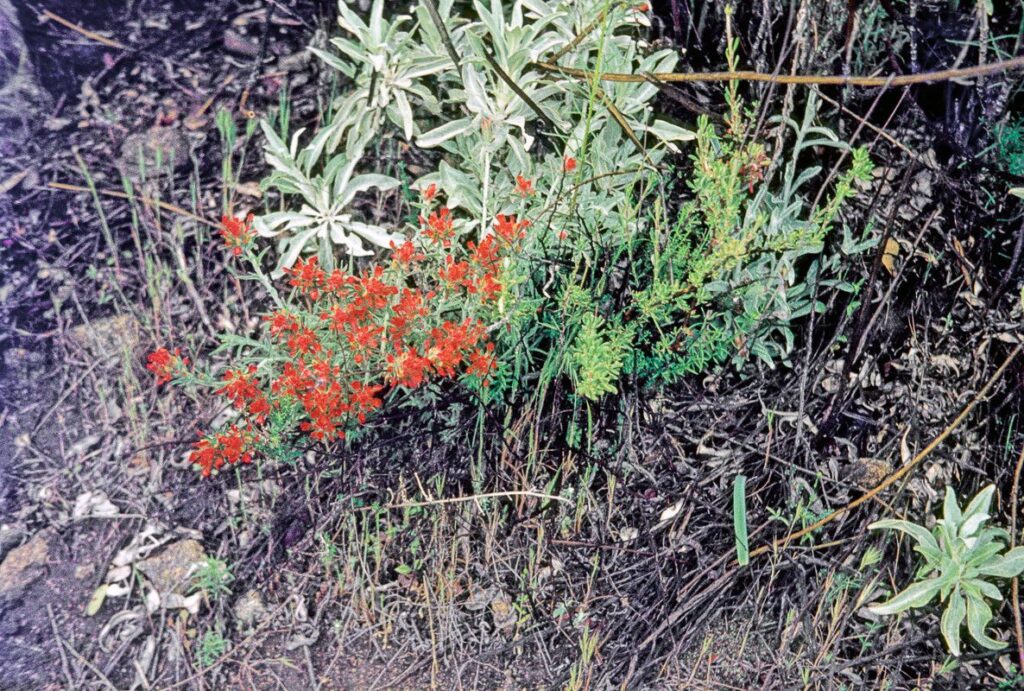
Taming the Wildflower: Propagating Woolly Paintbrush (Castilleja foliolosa)
The vibrant splash of color that the Woolly Paintbrush (Castilleja foliolosa) brings to California’s grasslands is a sight to behold. This striking wildflower, with its fuzzy, paintbrush-like blooms, isn’t just a feast for the eyes, but also a vital part of the ecosystem, attracting pollinators like hummingbirds and butterflies.
While commonly found in the wild, cultivating Woolly Paintbrush in your garden can be a rewarding, albeit challenging, endeavor. Their beauty and ecological importance, however, make the effort worthwhile. Let’s delve into the intriguing world of propagating this fascinating wildflower.
Understanding the Challenge:
Before we get our hands dirty, remember that Castilleja foliolosa is what’s known as a “hemiparasitic” plant. In simpler terms, it needs a host plant to thrive. It achieves this by attaching its roots to those of neighboring plants, drawing essential nutrients from them. This unique characteristic is crucial to remember when choosing a propagation method.
Method 1: Seed Sowing (The Patient Approach):
- Timing is Key: Aim to sow your seeds outdoors in the fall. Woolly Paintbrush seeds need a period of cold stratification to germinate successfully, mimicking natural winter conditions.
- Choose the Right Companion: Prepare a planting bed near suitable host plants like bunchgrasses (Festuca species are excellent choices), or California poppies.
- Sow Shallow: Scatter the seeds on the surface and lightly press them into the soil. Avoid burying them deeply.
Method 2: Cuttings (A Quicker Route):
- Timing Matters: Take cuttings from established Woolly Paintbrush plants in late spring or early summer.
- Select Healthy Shoots: Choose vigorous shoots that are about 4-6 inches long. Make a clean cut just below a leaf node.
- Hormone Help: Dip the cut end in rooting hormone to encourage root development.
- Potting Up: Plant the cuttings in a well-draining potting mix. Keep the soil consistently moist but not soggy.
Caring for Your Woolly Paintbrush:
Regardless of your chosen propagation method, here are some tips to help your Woolly Paintbrush flourish:
- Sunshine is Key: These wildflowers thrive in full sun. Ensure your chosen location receives at least 6 hours of direct sunlight each day.
- Well-Drained Soil is Crucial: Woolly Paintbrush cannot tolerate waterlogged soil. Amend heavy clay soil with organic matter to improve drainage.
- Water Wisely: Once established, these plants are relatively drought-tolerant. Water deeply but infrequently, allowing the soil to dry out slightly between waterings.
- Deadheading Encourages Blooms: While not essential, removing spent flowers can help to prolong the blooming period.
A Rewarding Challenge:
Propagating Woolly Paintbrush might require patience and a bit of green-thumb magic, but the reward of seeing these vibrant wildflowers grace your garden is well worth the effort. By understanding their unique needs and employing the right techniques, you can contribute to the preservation of this beautiful and ecologically vital species. So, why not embrace the challenge and add a touch of wild beauty to your garden?