
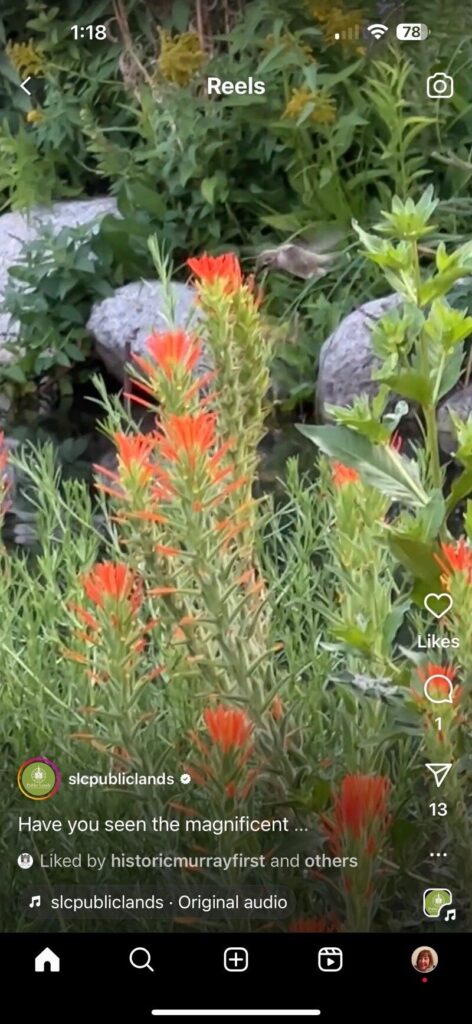
Propagating Castilleja minor: The Challenges and Rewards of Cultivating Indian Paintbrush
Introduction:
Castilleja minor, commonly known as the small Indian paintbrush, is a captivating wildflower prized for its vibrant, bract-like flowers that mimic petals. Its fiery hues, ranging from scarlet to yellow, add a splash of dramatic color to meadows and gardens alike. This enchanting plant, however, presents unique challenges to those wishing to cultivate it, and its propagation can be notoriously difficult. Its popularity among gardeners, combined with its specific habitat requirements, makes successful propagation a rewarding yet demanding endeavor. The delicate nature of the plant and its symbiotic relationship with certain fungi highlight the complexities involved.
Seed Germination:
Currently, there are no known reliable methods for seed germination propagation of Castilleja minor. While the plant produces seeds, germination rates are extremely low, even under carefully controlled conditions. This is largely attributed to the plant’s obligate mycorrhizal relationship – it requires a specific type of soil fungus to thrive and germinate. Attempts at germination often fail due to the absence of this crucial symbiotic partner in cultivated environments.
Cuttings:
Propagating Castilleja minor from cuttings also presents significant challenges. Success rates are low, primarily because of the plant’s difficulty rooting.
Challenges: The cuttings are prone to rot before rooting occurs, likely due to their susceptibility to fungal and bacterial diseases in the absence of their symbiotic mycorrhizal network. Furthermore, the precise timing for taking cuttings (ideally just as new growth emerges) and the specific rooting medium are critical yet not fully understood.
Practical Tips: Some propagators attempt softwood cuttings, taken from actively growing stems, in a well-draining, sterile rooting medium. The use of rooting hormones and misting to maintain high humidity are generally recommended, but success is still not guaranteed.
Rewards: While difficult, successful propagation from cuttings provides some genetic diversity, although it is limited by the parent plant’s genetics.
Division:
Division is generally considered the most successful method for propagating Castilleja minor, though it still requires careful handling.
Challenges: Castilleja minor has a relatively small root system and is easily damaged during division. Disrupting the delicate mycorrhizal network that is essential for its survival can lead to plant failure.
Practical Tips: Division should ideally be performed in early spring or late fall, when the plant is dormant or entering dormancy. The plant should be carefully dug up, avoiding damage to the roots, and divided into sections, each with its own healthy root mass and established mycorrhizal network, if possible. Replant immediately and maintain consistent moisture levels.
Rewards: Division offers a higher success rate than other methods and preserves the existing mycorrhizal network, thereby improving the chances of survival.
Tissue Culture:
Tissue culture offers a potential avenue for propagation, although this method is not widely employed for Castilleja minor.
Challenges: Establishing a reliable tissue culture protocol for Castilleja minor is technically challenging and requires specialized expertise and equipment. The specific media requirements, including the optimal hormonal balance and the incorporation of mycorrhizal fungi, are crucial but not yet fully defined.
Practical Tips: Research into suitable media formulations and sterilization techniques are essential. Finding a laboratory experienced with propagation of challenging wildflowers is also crucial.
Rewards: If successful, tissue culture could lead to large-scale propagation of genetically identical plants, providing valuable material for conservation and horticulture.
Conclusion:
Propagating Castilleja minor presents significant horticultural challenges. While division offers the highest chance of success, even this method requires patience and careful technique. Seed germination and cuttings are largely unreliable, and tissue culture remains an under-explored but potentially rewarding avenue. The plant’s dependency on its mycorrhizal partner is a major hurdle, underscoring the importance of understanding the symbiotic relationship for successful cultivation. However, the vibrant beauty of the small Indian paintbrush and the satisfaction of successfully cultivating this challenging plant more than compensate for the difficulties involved. For aspiring propagators, persistence, meticulous attention to detail, and a deep respect for this delicate wildflower are key to success. Embrace the challenge, and the fiery blooms will be a well-deserved reward.