
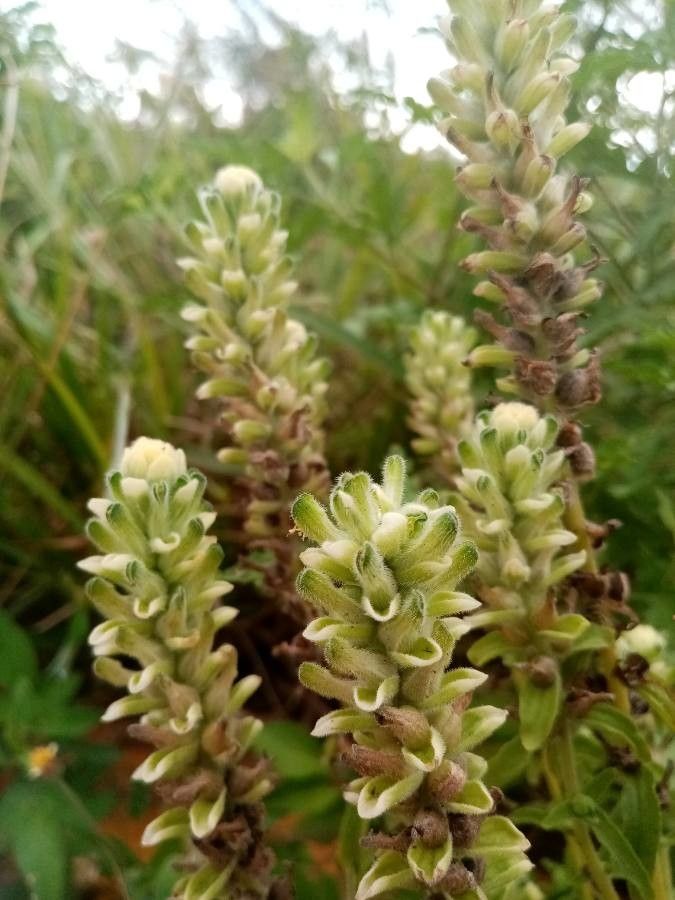
Propagating the Woolly Indian Paintbrush (Castilleja mollis): A Gardener’s Guide
Introduction
Castilleja mollis, commonly known as the Woolly Indian Paintbrush, is a captivating herbaceous perennial prized for its vibrant, bract-like flowers that appear in shades of scarlet, orange, and yellow. These seemingly floral structures are actually modified leaves, adding to the plant’s unique charm. Its ability to thrive in challenging conditions and its striking beauty make it a highly sought-after addition to native plant gardens and wildflower meadows. However, propagating Castilleja mollis presents unique challenges due to its symbiotic relationship with certain mycorrhizal fungi. This dependence profoundly affects its propagation success.
Seed Germination
Currently, there are no known reliable methods for seed germination propagation of Castilleja mollis. While seeds can be collected, germination rates are extremely low, even under optimal conditions. This is primarily due to the plant’s obligate mycorrhizal association. Successful germination relies on the presence of specific fungi in the soil, a difficult factor to replicate outside of its natural habitat. Attempts at artificial inoculation with mycorrhizal fungi have shown limited success.
Cuttings
Propagating Castilleja mollis from cuttings is also unreliable. While stem cuttings might theoretically root under ideal conditions (high humidity, bottom heat, rooting hormone), the success rate remains very low, largely due again to the mycorrhizal dependency. The plant’s physiology, including its dependence on the fungal network for nutrient uptake, hinders the development of independent root systems from cuttings. Even with meticulous care, the survival rate is exceptionally poor, rendering this method impractical for most gardeners.
Division
Division offers the most reliable (though still challenging) method for propagating Castilleja mollis. This involves carefully separating established plants during dormancy (typically late fall or early spring). Each division must contain a portion of the existing root system and associated mycorrhizal network to have a reasonable chance of survival.
Challenges: Successfully dividing Castilleja mollis requires careful handling to avoid damaging the delicate roots and associated fungi. The plant’s shallow root system makes it vulnerable to disturbance. Poorly executed division frequently results in the death of both parent plant and offset.
Practical Tips: Prioritize clean, sharp tools to minimize root damage. Handle the divisions gently and replant them immediately into well-draining soil amended with compost. Replicate the plant’s native environment as closely as possible, ensuring adequate sunlight and soil moisture.
Rewards: Division offers the best chance of propagation, preserving the genetic characteristics of a parent plant and facilitating the increase of existing populations.
Tissue Culture
Tissue culture propagation of Castilleja mollis remains largely unexplored. The specific nutrient requirements and the complex symbiotic relationship with mycorrhizae pose substantial hurdles to establishing a successful protocol. Further research is needed to determine the viability and effectiveness of this technique.
Conclusion
Propagating Castilleja mollis presents significant challenges, largely stemming from its intricate relationship with mycorrhizal fungi. While seed germination and cuttings are generally unsuccessful, division offers the best chance of success, albeit with careful attention to detail. Tissue culture remains an area for potential future development.
Despite these difficulties, the unique satisfaction derived from successfully cultivating this striking plant far outweighs the challenges. The act of nurturing a small division into a thriving clump of vibrant Woolly Indian Paintbrush is a testament to the gardener’s patience and skill. For aspiring propagators, the advice is to start with division and meticulously ensure the preservation of the existing root system and its associated mycorrhizal network. It’s a rewarding, though demanding, pursuit. Remember that patience and a deep understanding of the plant’s needs are paramount to success.