
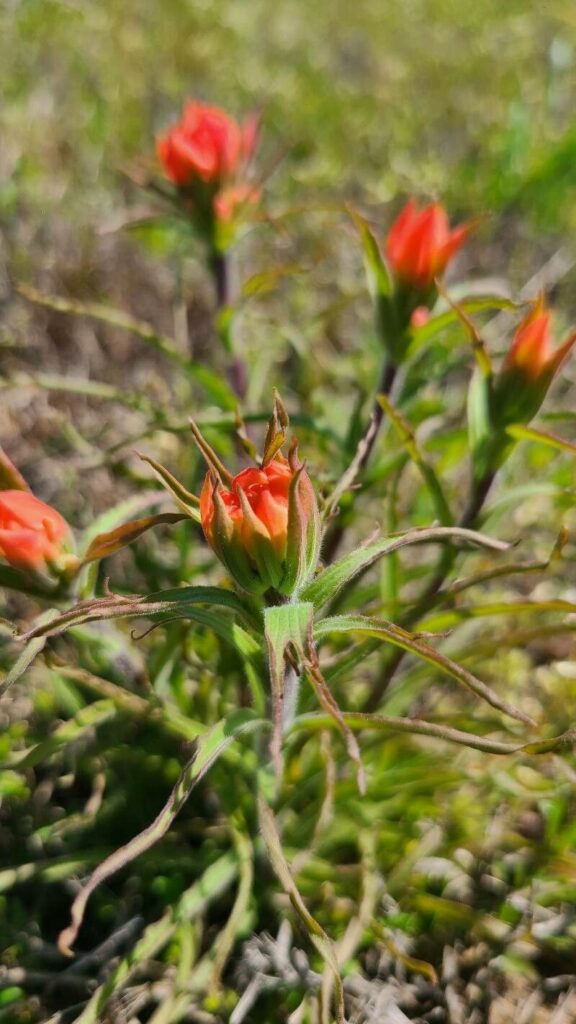
From Seed to Splendor: The Secret to Propagating Indian Paintbrush
The vibrant, scarlet blooms of the Indian Paintbrush (Castilleja nervata) are a welcome sight in the springtime landscape. This wildflower, native to North America, is a favorite among gardeners for its vibrant colors and ability to attract pollinators. But did you know that you can easily bring this beauty to your own garden? Let’s dive into the secrets of propagating Indian Paintbrush and share some tips for success.
The Allure of Propagation:
Propagation offers a fantastic way to expand your Indian Paintbrush collection, share these beauties with friends, or simply enjoy the satisfaction of nurturing life from scratch. While Indian Paintbrush can be purchased from nurseries, the thrill of propagation lies in fostering the plant’s journey from seed to flower.
Embracing the Seed Method:
Indian Paintbrush, often referred to as a hemiparasite, thrives on the association with a host plant. This means that while they can germinate on their own, they require the assistance of a host plant for survival and full development.
Seed Collection and Sowing:
- Timing is Key: Collect seeds during the late summer or early fall when the seed capsules have matured and turned brown.
- Seed Storage: Store the collected seeds in a cool, dry environment until you’re ready to sow.
- Sowing: The preferred way to propagate Indian Paintbrush is by direct sowing. Choose a location that offers partial shade and well-drained soil. Scatter the seeds on the surface, lightly covering them with soil. Since Indian Paintbrush seeds require light for germination, avoid burying them too deep.
- Patience is a Virtue: Germination can take several weeks and even months. During this period, ensure that the soil remains consistently moist but not soggy.
Choosing the Right Partner:
Indian Paintbrush are known to be somewhat picky about their host plants. Choose companion plants that are native to your region and offer similar growing conditions. Some popular choices include grasses, legumes, and other wildflowers.
Nurturing the Young Plants:
- Watering is Essential: During the first year, regular watering is vital to support the young plants.
- Protecting the Seedlings: Keep the young seedlings protected from harsh winds and frost.
- Patience Pays Off: Over time, the Indian Paintbrush will form a symbiotic relationship with its host plant, gaining access to water and nutrients.
Beyond Seeds: Exploring Alternative Methods
While seed propagation is the most common method, you can also consider other techniques like division. As the Indian Paintbrush plants mature, they may form clumps. In the early spring, gently divide these clumps, ensuring that each division contains healthy roots and shoots.
Embracing the Beauty:
Propagating Indian Paintbrush is a rewarding journey that connects you with the natural world. Witnessing these vibrant blooms emerge from tiny seeds brings a sense of accomplishment and reminds us of the beauty and resilience of nature. By following these guidelines, you can successfully cultivate this stunning wildflower in your own garden, adding a splash of vibrant color for years to come.