
Taming the Wild Beauty: Propagating the Elusive Castilleja peckiana
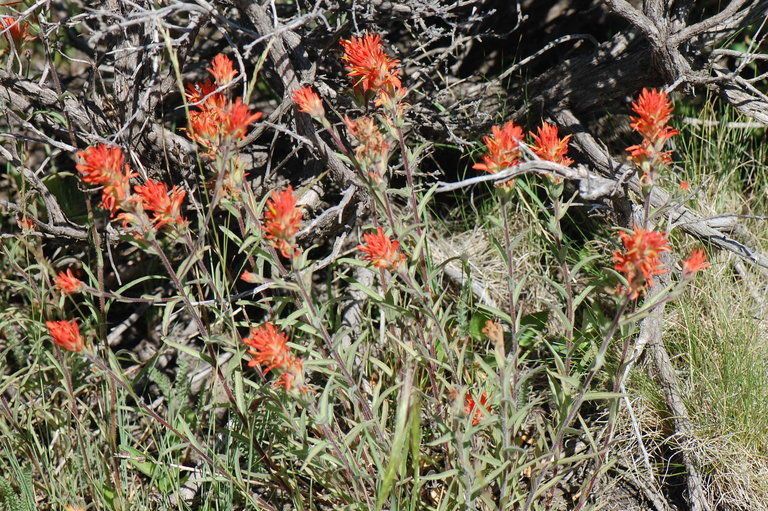
Castilleja peckiana, more charmingly known as the showy Indian paintbrush or Peck’s Indian paintbrush, is a wildflower that steals the show with its vibrant, scarlet-painted bracts. Found in the Western United States, this beauty captivates with its fiery hues against a backdrop of rugged landscapes.
Naturally, such captivating beauty inspires a desire to bring it closer to home. However, taming this wildflower is no easy feat. Unlike your average garden variety, Castilleja peckiana presents unique propagation challenges due to its fascinatingly complex relationship with its surroundings.
Understanding the Challenge:
The showy Indian paintbrush isn’t your typical plant. It’s what botanists call a “hemiparasite,” meaning it gets some of its sustenance by attaching its roots to other plants, siphoning off water and nutrients. This symbiotic relationship is essential for the plant’s survival, making propagation a bit of a puzzle.
The Seeds of Success:
While it’s possible to acquire cultivated Castilleja peckiana from specialty nurseries, propagating from seed offers a rewarding, albeit slightly more challenging, path. Here’s what you need to know:
-
Source Fresh Seeds: Collect seeds from mature plants in the wild (ensuring you have the necessary permits if required) or purchase from reputable suppliers specializing in native plants. The fresher the seeds, the higher the germination rate.
-
Mimicking Mother Nature: Castilleja peckiana seeds require a period of cold stratification to break dormancy. This can be achieved by sowing seeds in late fall directly into prepared outdoor beds or by simulating the chilling process in your refrigerator.
-
Outdoor Sowing: Select a well-drained location that receives ample sunlight. Sow seeds shallowly and keep the soil consistently moist but not waterlogged.
- Refrigerator Stratification: Mix seeds with a moist (not wet) seed-starting mix, place in a sealed bag, and refrigerate for at least 6-8 weeks.
-
-
The Host Plant Conundrum: This is where the real challenge lies. Castilleja peckiana seedlings need a host plant to thrive. While they aren’t picky about their companions, native grasses are often their preferred partners. When planting outdoors, ensure the seeds are sown in close proximity to established grasses. If you’re starting indoors, transplant seedlings to their final location alongside a suitable host plant.
- Patience is Key: Germination can take several weeks to months. Don’t be discouraged if you don’t see immediate results. Once the seedlings emerge, continue to provide consistent moisture and monitor their growth.
Beyond the Basics:
- Location, Location, Location: Mimic the plant’s natural habitat by choosing a sunny or partially shaded location with well-drained soil.
- Water Wisely: While Castilleja peckiana prefers moist soil, avoid overwatering, which can lead to root rot.
- Divisions are Delicate: Division is possible but extremely challenging due to the plant’s parasitic nature. It’s best left to experienced gardeners.
Cultivating Castilleja peckiana is a labor of love, a testament to your patience and understanding of its unique needs. But the reward? A spectacular display of vibrant scarlet bracts that bring a touch of wild beauty and a sense of accomplishment to your garden.