
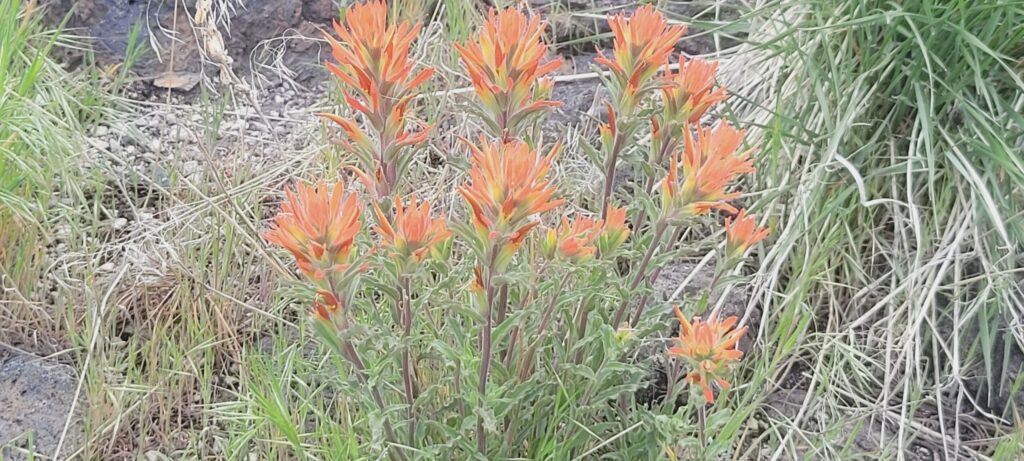
Unveiling the Secret to Growing Indian Paintbrush: A Guide to Propagating Castilleja pruinosa
The vibrant hues of Castilleja pruinosa, commonly known as Indian Paintbrush, are a welcome sight in the wildflower meadows of western North America. But beyond its striking beauty, this plant plays a crucial role in local ecosystems, attracting pollinators and offering a feast for delicate butterflies. If you’re captivated by this vibrant wildflower, you might be wondering – can I grow it myself? Absolutely! While Castilleja pruinosa can be a bit temperamental in home gardens, understanding its propagation methods is key to success. Here’s a detailed guide to help you cultivate your own patch of vibrant Indian Paintbrush.
Understanding the Demands of Castilleja pruinosa
Before diving into propagation, it’s essential to grasp the needs of this unique plant. Remember, Castilleja pruinosa is a hemiparasite, meaning it derives some of its nutrients from the roots of other plants, primarily grasses. This unique characteristic significantly influences its propagation methods.
Method One: Seed Propagation
- Harvesting Seeds: Collect seeds from mature plants after the flowers fade. You’ll notice small, capsule-like structures forming where the flowers once bloomed. Allow these capsules to dry completely on the plant, then carefully harvest them.
- Sowing Seeds: Castilleja pruinosa seeds require light to germinate, so sow them directly onto the soil surface. Choose a suitable location in your garden with ample sunlight and well-draining soil.
- Creating a Favorable Environment: A crucial factor is the presence of a host plant. Introduce a compatible grass species like blue grama or needlegrass to provide the necessary nutrients for the emerging paintbrush seedlings.
- Patience and Persistence: Germination can be slow, taking several weeks or even months. Ensure consistent moisture, protect the seeds from direct sunlight, and be patient as the tiny seedlings emerge.
Method Two: Division
- Choosing the Right Time: The ideal time for division is in early spring or late fall when the plant is dormant.
- Carefully Dividing the Plant: Gently dig up the mature plant, being careful not to damage the delicate roots. Divide the plant into sections, ensuring each section has a healthy root system.
- Re-Planting with Host Plants: Re-plant the divisions in a new location, making sure to include a host plant like the grassy companions mentioned earlier. This will provide the necessary nutrients for the divided plant to establish itself.
Tips for Successful Indian Paintbrush Propagation:
- Mimicking the Wild: Simulate the natural conditions of Castilleja pruinosa in your garden. Allow the soil to dry out slightly between waterings, mimicking the dry conditions of its natural habitat.
- Providing the Right Partner: The choice of host plant significantly impacts the success of propagation. Research and select a compatible grass species that thrives in your area.
- Avoiding Over-Watering: Castilleja pruinosa is susceptible to root rot from excessive moisture. Water only when the soil dries out slightly.
- Patience is Key: These plants may take a few years to truly flourish, requiring consistent care and patience.
Bringing the vibrant beauty of Indian Paintbrush to your garden is a rewarding experience. By understanding its unique needs and following these propagation methods, you can cultivate a patch of these vibrant wild flowers, enriching your garden and appreciating their intricate ecological role. Remember, the journey of growing Castilleja pruinosa is as much about patience as it is about observation and careful nurturing.