
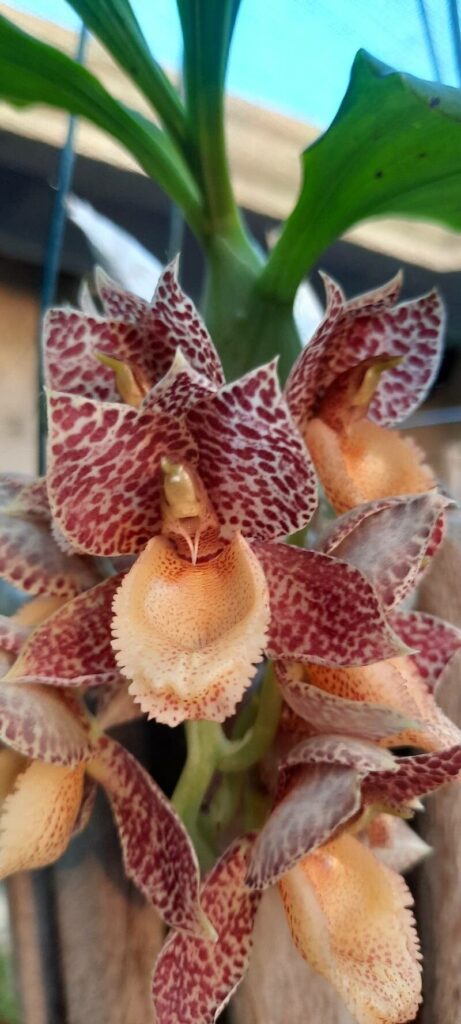
Unlocking the Secrets of Catasetum denticulatum Propagation: A Guide to Multiplying Your Orchid Marvel
The Catasetum denticulatum, with its fascinating, almost alien-like blooms, is a true showstopper in the orchid world. Native to the rainforests of South America, this epiphytic orchid boasts uniquely shaped flowers that range from vibrant greens and yellows to stunning reddish-browns. But the wonders of the Catasetum denticulatum don’t stop at its beauty. This captivating orchid presents a uniquely rewarding propagation challenge for plant enthusiasts.
While not as straightforward as some common houseplants, successfully propagating Catasetum denticulatum isn’t impossible. It just takes a bit of knowledge, patience, and the right techniques. So, let’s dive into the exciting world of Catasetum denticulatum propagation and unlock the secrets to multiplying this captivating orchid.
Understanding the Catasetum Growth Habit
Before we jump into the methods, it’s essential to understand the unique growth habit of Catasetum orchids. These orchids produce pseudobulbs, swollen stem structures that store water and nutrients. From these pseudobulbs emerge the leaves and the spectacular flower spikes.
Methods of Propagation
There are two primary methods for propagating Catasetum denticulatum:
1. Division: This method involves separating mature plants with multiple healthy pseudobulbs.
* **Timing is Key:** The ideal time for division is during the plant's active growth phase, typically in spring.
* **Divide Carefully:** Using a sterilized tool, carefully separate the rhizome (the horizontal stem that connects the pseudobulbs), ensuring each division has at least 3-4 pseudobulbs for optimal energy reserves.
* **Potting:** Plant each division in a well-draining orchid mix, ensuring the base of the pseudobulbs sits slightly above the medium's surface.
2. Back Bulbs: Back bulbs are older, often leafless pseudobulbs that still hold the potential for new growth.
* **Identification:** Identify firm, healthy-looking back bulbs on a mature plant.
* **Removal & Preparation:** Gently detach the back bulbs from the main plant. You can lay them horizontally on a bed of moist sphagnum moss or plant them vertically with the top third exposed.
* **Patience is Paramount:**  It may take several months for new growth to emerge from the back bulbs. Maintain humidity and provide bright, indirect light during this waiting period.
Essential Care for Successful Propagation
- Well-Draining Medium: Use a specialized orchid potting mix or create your own blend using bark chips, perlite, and coco coir.
- Proper Watering: Water your Catasetum denticulatum thoroughly when the potting mix is nearly dry. Avoid overwatering, as it can lead to root rot.
- Humidity and Air Circulation: Maintain moderate humidity levels and ensure good air circulation to prevent fungal diseases.
- Adequate Light: Place your propagated orchids in a location with bright, indirect light. Avoid direct sunlight, which can scorch the leaves.
Propagating your Catasetum denticulatum can be a deeply rewarding experience. By understanding the plant’s growth cycle and employing these proven methods, you can multiply your orchid collection and enjoy the captivating beauty of this unique species for years to come. Remember, patience is key! With time and proper care, you’ll be rewarded with new growth and eventually, more of those stunning Catasetum denticulatum blooms.