
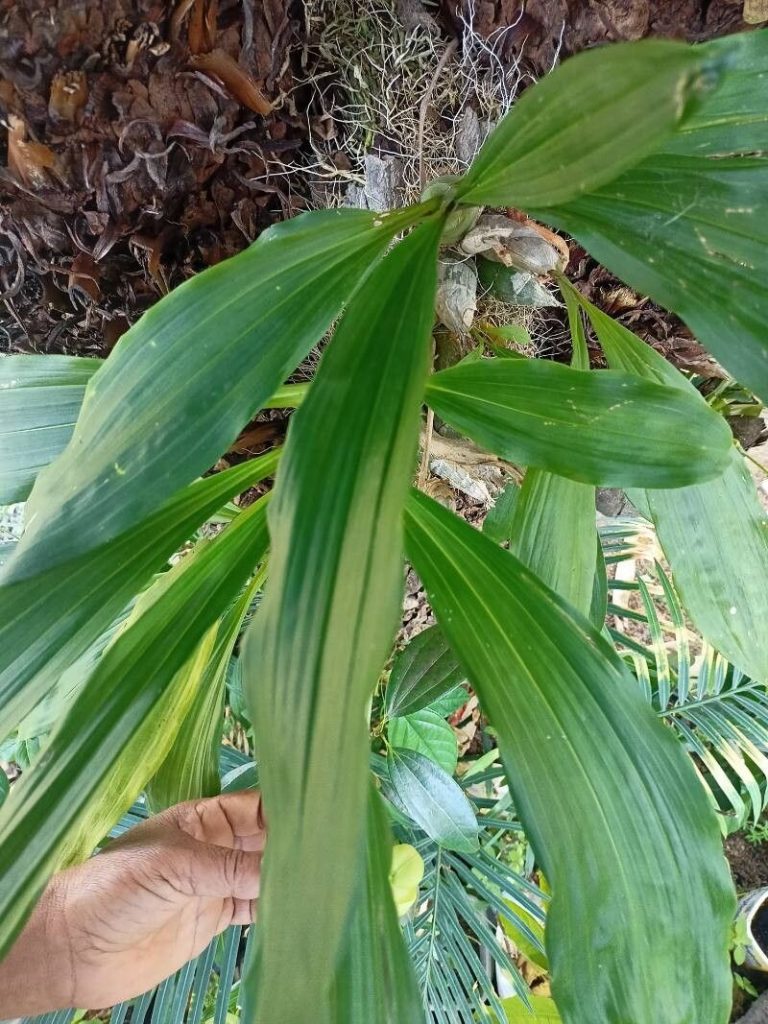
Propagating the Striking Catasetum luridum: A Gardener’s Guide
Catasetum luridum, sometimes known as the “Lurid Catasetum,” is a captivating orchid species renowned for its dramatic, highly specialized flowers. The flowers, typically greenish-yellow to brownish-green with distinctive markings, exhibit remarkable sexual dimorphism – a significant difference in appearance between male and female flowers – a key characteristic of the Catasetum genus. This impressive display, coupled with its relatively manageable cultivation requirements, has earned it considerable popularity among orchid enthusiasts. However, propagating this beauty presents certain unique challenges.
Seed Germination:
Currently, there are no known reliable methods for seed germination propagation of Catasetum luridum. Catasetum seeds are extremely fine and lack endosperm (the nutrient-rich tissue providing nourishment to the embryo), making them highly dependent on symbiotic fungi for germination. Establishing this symbiotic relationship in a controlled environment is incredibly difficult and hasn’t been successfully achieved for this species on a consistent basis. This method is therefore not practically feasible for the average orchid grower.
Cuttings:
Cuttings are not a viable propagation method for Catasetum luridum. Unlike some other orchids, Catasetums do not readily produce adventitious roots from stem cuttings. Attempts at this method will likely result in the decay of the cuttings.
Division:
Division is the most practical and successful method for propagating Catasetum luridum. This involves carefully separating the pseudobulbs (swollen stems) of a mature plant, ensuring each division has sufficient roots and several pseudobulbs. The challenges lie in ensuring the divisions remain healthy and don’t suffer from transplant shock.
Challenges: Proper timing is crucial. Division should ideally be performed after the flowering period and before new growth emerges. It requires delicate handling to avoid damaging the roots and pseudobulbs. Sterilizing cutting tools helps prevent the spread of diseases.
Practical Tips: Use a sharp, sterile knife or scalpel. Pot each division in a well-draining potting mix appropriate for orchids. Water sparingly until new growth appears. Maintain high humidity and moderate warmth.
Rewards: Division offers a relatively straightforward approach to increasing your number of Catasetum luridum plants. It allows for the propagation of existing desirable traits, compared to the genetic lottery of seed propagation.
Tissue Culture:
Tissue culture is a viable, albeit technically demanding, method for propagating Catasetum luridum. This laboratory-based technique involves growing plant tissues in a sterile nutrient medium, allowing for the production of numerous plantlets from a small sample of plant material.
Challenges: Tissue culture requires specialized equipment, a sterile environment, and technical expertise in plant tissue culture techniques. It involves a significant investment in time, materials, and possibly professional lab assistance. The success rate is also dependent on appropriate media composition and sterile practices.
Practical Tips: It’s advisable to seek assistance from experienced orchid tissue culturists or laboratories specializing in orchid propagation. Consult detailed protocols focusing on Catasetum tissue culture for best results.
Rewards: Tissue culture has the potential for large-scale propagation, allowing for the generation of genetically identical plants (clones) and the preservation of rare or desirable varieties. It also offers the possibility for disease-free plantlets.
Conclusion:
Propagating Catasetum luridum presents unique challenges, with division proving the most accessible method for the home grower. While seed germination and tissue culture are possibilities, they require specialized skills and resources. The rewards, however, are well worth the effort. Successfully cultivating this striking orchid from a small division or a tissue culture plantlet is incredibly rewarding, imparting a sense of accomplishment that surpasses the challenges faced. For aspiring propagators, we recommend beginning with the division method, mastering the techniques involved, and gradually progressing to more advanced methods with experience. The journey to successfully propagate this unique orchid is as rewarding as the beauty of the blooms themselves.