
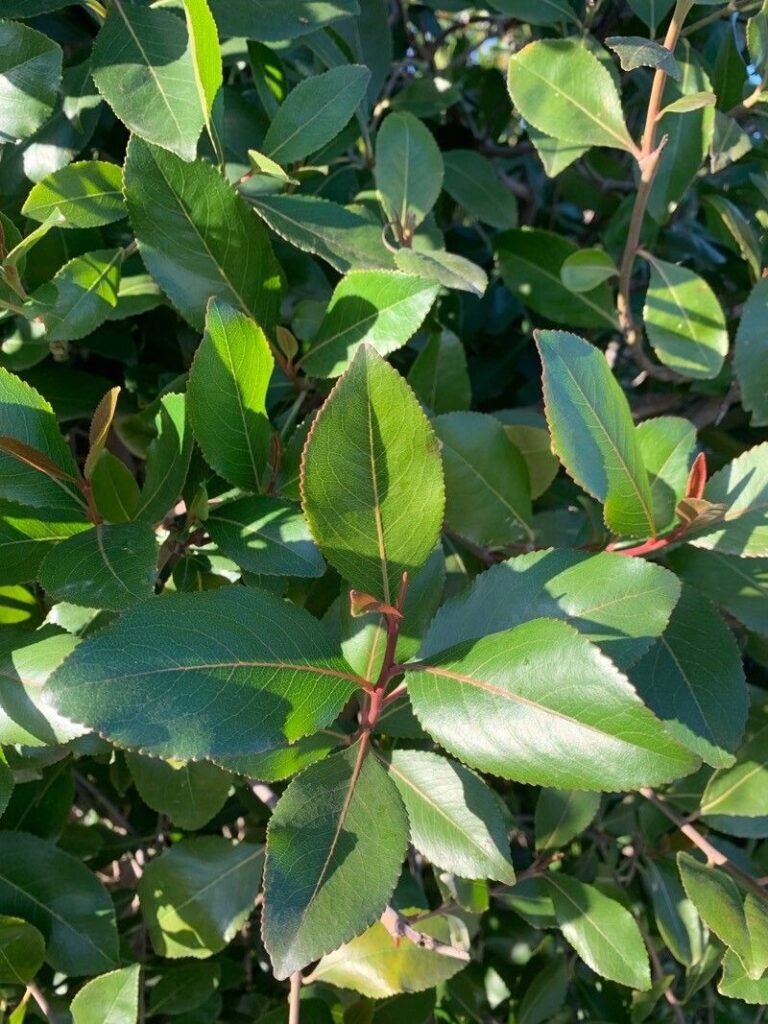
Khat: More Than Just Leaves, It’s Propagation!
Khat, the plant scientifically known as Catha edulis, is a fascinating and controversial subject. While it’s best known for its stimulating leaves, the plant itself holds a captivating history and unique propagation methods. This blog post delves deeper into the world of khat, exploring its fascinating journey from seed to plant.
The Khat Journey: From Seed to Plant
Khat cultivation primarily relies on planting cuttings, but seeds also contribute to the plant’s life cycle. However, propagation from seed can be challenging, requiring specific conditions and more time compared to cuttings.
Seed Propagation: A Patient Process
- Sourcing: The process begins with sourcing fresh, viable seeds. These seeds are quite small, making handling a bit tricky.
- Germination: Khat seeds need a warm and humid environment to germinate. This is typically achieved by planting them in a seedbed, maintaining the soil at a consistent temperature and moisture level.
- Seedling Care: Once germination occurs, young seedlings require consistent watering and protection from direct sunlight. They are usually nursed in a protected area until they are strong enough to be transplanted.
Cutting Propagation: The Preferred Choice
While seed propagation exists, khat cultivators often prefer cuttings for their ease and speed.
- Cuttings Selection: Choose healthy shoots, ideally those from the plant’s lower branches. These are best taken during the rainy season or early morning to ensure optimal hydration.
- Preparation: Cuttings should be around 15-20 centimeters long, with two to three nodes. Dip the base of the cutting in a rooting hormone solution to promote root development.
- Planting: The cuttings are then planted in a well-prepared soil bed, ensuring good drainage. They need to be kept consistently moist but not waterlogged.
- Rooting and Growth: Khat cuttings typically root within 4-6 weeks, depending on climate and care. Regular watering and protection from extreme weather conditions aid in the establishment of the new plants.
The Impact of Environment:
Khat thrives in specific conditions. It favors a warm, humid environment with good rainfall, making it ideal for the East African highlands where it originated. However, with careful attention, it can be adapted to other regions, albeit with varying success.
Legal Implications and Important Note:
It’s crucial to understand that khat cultivation is regulated by law in many countries. Its legal status varies depending on the location. In some regions, it’s even illegal to cultivate or possess the plant. This post aims to provide information about the botanical aspects of khat propagation and does not encourage or condone illegal activities.
Cultivating a Fascinating Plant
Khat holds an intriguing place in history and culture. Understanding its propagation methods offers insight into the plant’s characteristics and its vital role in certain communities. Whether for research, cultural purposes, or simply a gardening passion, exploring the world of khat propagation can unveil fascinating secrets about this unique and often-discussed plant.