
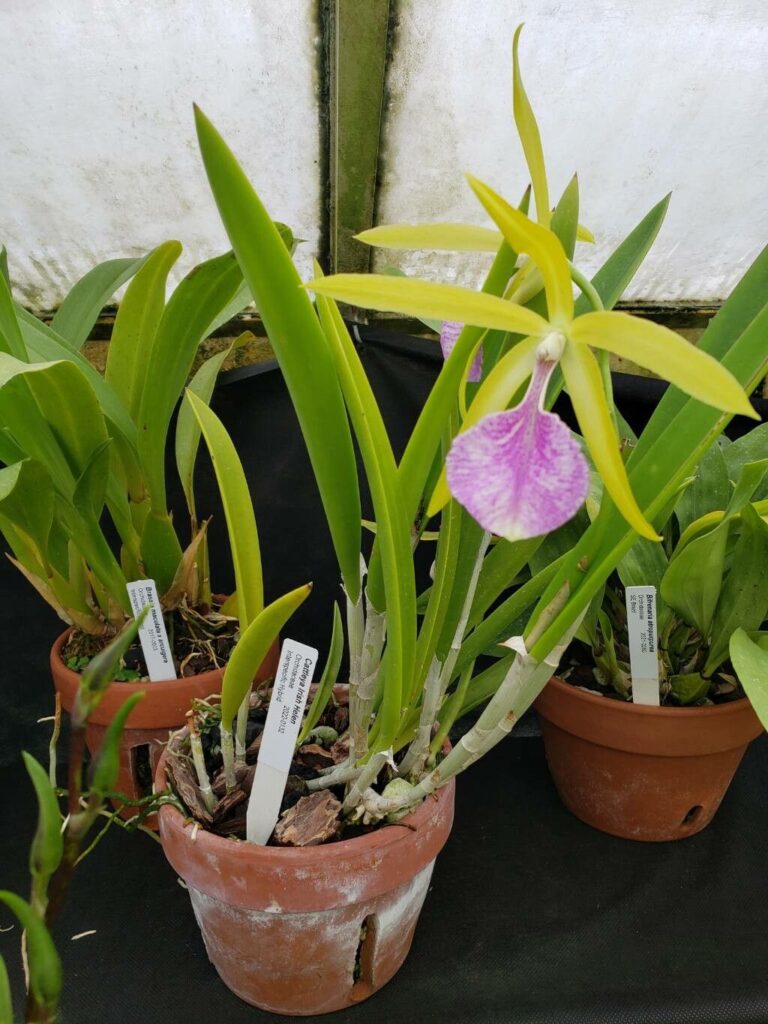
Unveiling the Secrets to Propagating the Exquisite Cattleya Bicolor
Cattleya bicolor, with its vibrant blooms and intoxicating fragrance, is a jewel in the crown of the orchid world. While caring for a mature Cattleya bicolor can be a rewarding experience, propagating these beauties can feel like entering a realm of mystery and complexity. Fear not, orchid enthusiasts! This guide will demystify Cattleya bicolor propagation, equipping you with the knowledge to multiply your collection and share the joy of these stunning orchids.
Understanding the Basics: Two Paths to Propagation
Before diving into the specifics, let’s clarify that “propagation” for Cattleya bicolor can take two routes:
- Division: The most common and reliable method, involving separating mature plants into smaller divisions, each with its own roots and growths.
- Seed Germination: A more advanced and time-consuming technique requiring sterile lab conditions and specialized knowledge. This blog post will focus on the more beginner-friendly division method.
The Right Time is Key
Timing is crucial for successful division. The ideal time is during spring, just as the plant begins its new growth cycle. Look for new root growth emerging from the base – this indicates the plant is healthy and ready for division.
Gathering Your Tools
Before you begin, assemble the following:
- Sterilized pruning shears or a sharp knife: Essential for clean cuts and minimizing the risk of infection.
- New pots: Choose pots slightly larger than the divisions, ensuring good drainage.
- Orchid potting mix: Select a well-draining mix specifically formulated for orchids.
- Cinnamon or rooting hormone (optional): Cinnamon acts as a natural antifungal agent, while rooting hormone can encourage faster root development.
Dividing Your Cattleya Bicolor: A Step-by-Step Guide
- Unpotting: Gently remove the orchid from its pot, loosening the roots if necessary.
- Cleaning: Remove any old potting mix clinging to the roots.
- Identifying Divisions: Look for natural breaks in the rhizome (the horizontal stem connecting the pseudobulbs). Aim for divisions with at least 3-4 healthy pseudobulbs and a robust root system.
- Making the Cut: Using your sterilized shears or knife, make a clean cut through the rhizome.
- Treating the Cuts: Dust the cut surfaces with cinnamon or rooting hormone.
- Potting: Place each division in a new pot, ensuring the base of the pseudobulbs sits slightly above the rim. Fill the pot with orchid potting mix, gently firming it around the roots.
Post-Division Care: Nurturing New Beginnings
- Watering: For the first week, withhold water to allow the wounds to heal. After a week, resume regular watering, ensuring the potting mix dries slightly between waterings.
- Light: Place the newly potted divisions in a bright, indirect light location, similar to the parent plant’s environment.
- Fertilizer: Hold off on fertilization for a month after division. Once new growth appears, resume a regular fertilization schedule specifically for orchids.
Patience is a Virtue
Remember, it takes time for newly divided Cattleya bicolor plants to adjust and establish themselves. Be patient and consistent with your care, and soon, you’ll be rewarded with a flourishing collection of these breathtaking orchids.
Propagating Cattleya bicolor is a rewarding endeavor for any orchid enthusiast. By understanding the basic principles and following the steps outlined above, you can confidently multiply your collection and share the beauty of these orchids for years to come. Now, go forth and propagate!