
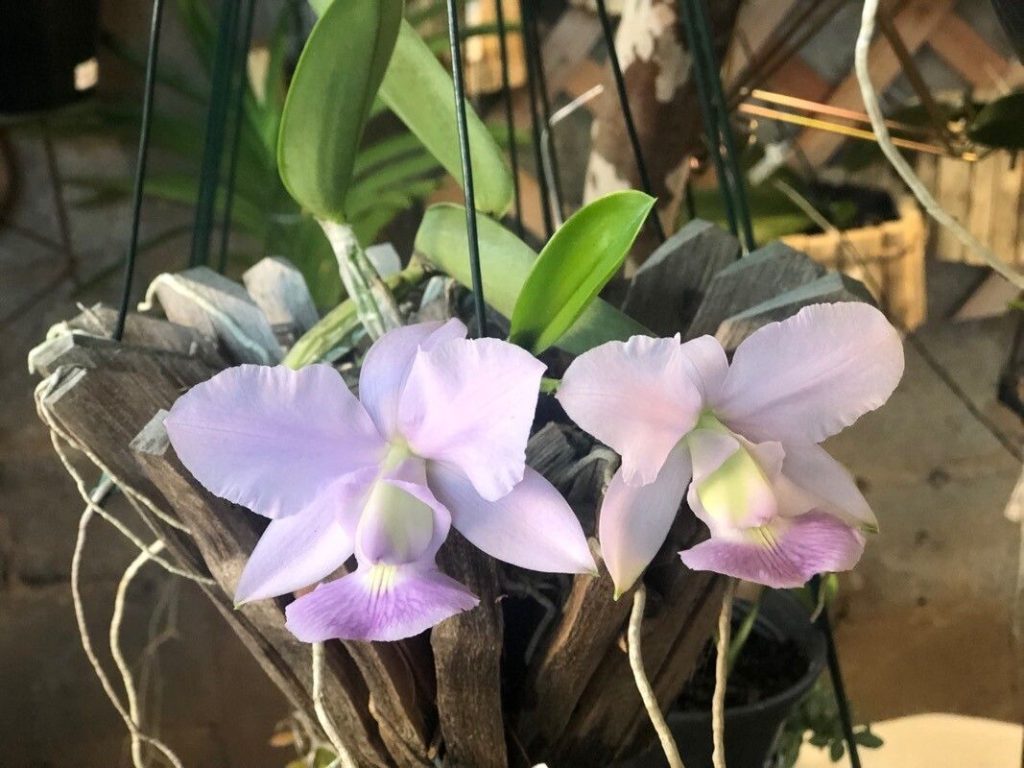
Propagating the Walkeriana: A Guide to Cultivating Cattleya walkeriana
Cattleya walkeriana, often called the Walker’s Cattleya, is a captivating orchid species native to Brazil. Famous for its intensely colored flowers, ranging from lavender to deep purple, and often exhibiting striking markings, C. walkeriana holds a special place in the hearts of orchid enthusiasts. Its compact size, profuse blooming, and diverse color forms contribute to its immense popularity among both novice and experienced gardeners. However, propagating this beautiful orchid presents unique challenges.
Seed Germination:
Currently, there are no known reliable methods for seed germination propagation of Cattleya walkeriana. The minute seeds require a symbiotic relationship with specific mycorrhizal fungi for successful germination, a relationship difficult to replicate in a home or even many professional laboratory settings. While some success may be achieved in specialized orchid labs with sophisticated techniques, it is not a viable option for the average hobbyist.
Cuttings:
Cuttings are not a viable method for propagating Cattleya walkeriana. Unlike some other plants, orchids of this genus do not readily root from stem cuttings. Attempts at this method will almost certainly fail.
Division:
Division is the most common and reliable method for propagating Cattleya walkeriana. This involves carefully separating mature plants into multiple divisions, each containing several pseudobulbs and roots.
Challenges: The main challenge lies in ensuring each division has a sufficient root system to support its growth. Divisions with too few roots might struggle to establish themselves. Over-crowding can also lead to rot.
Practical Tips: The best time to divide is after flowering, when new growth is starting. Use a sharp, sterilized knife or shears to cut through the rhizome, separating the plant into sections. Make sure each section has at least three pseudobulbs and a healthy portion of roots. Plant each division in fresh, well-draining orchid potting mix, ensuring the roots are not crowded.
Rewards: Division allows for the rapid multiplication of desirable clones, preserving specific flower colors and patterns. It’s relatively simple to perform compared to other methods.
Tissue Culture:
Tissue culture is the most advanced and potentially rewarding method for propagating Cattleya walkeriana. It involves growing plantlets from small explants (plant tissues) in a sterile laboratory environment.
Challenges: This method requires specialized equipment, a sterile lab setting, and a precise understanding of orchid tissue culture techniques. Contamination is a major risk, and it demands significant expertise. The initial investment in equipment and supplies can be considerable.
Practical Tips: Obtaining plant material from a reputable tissue culture lab is recommended for beginners. If attempting it independently, rigorous sterilization protocols must be followed throughout the process.
Rewards: Tissue culture allows for large-scale propagation, producing many plants of a specific genotype in a relatively short time. It also offers the possibility of disease-free plantlets.
Conclusion:
Propagating Cattleya walkeriana presents significant challenges, with division being the most accessible method for the hobbyist. While seed germination and cuttings are not practical, tissue culture offers the potential for large-scale propagation but demands considerable expertise and resources. The rewards, however, are substantial: the opportunity to share the beauty of this exquisite orchid with others, and the deep personal satisfaction of successfully propagating a plant known for its demanding nature. For aspiring propagators, remember meticulous care, patience, and persistence are key. Start with division and, as expertise grows, consider exploring the world of orchid tissue culture. The journey, even with its inherent difficulties, is profoundly rewarding.