
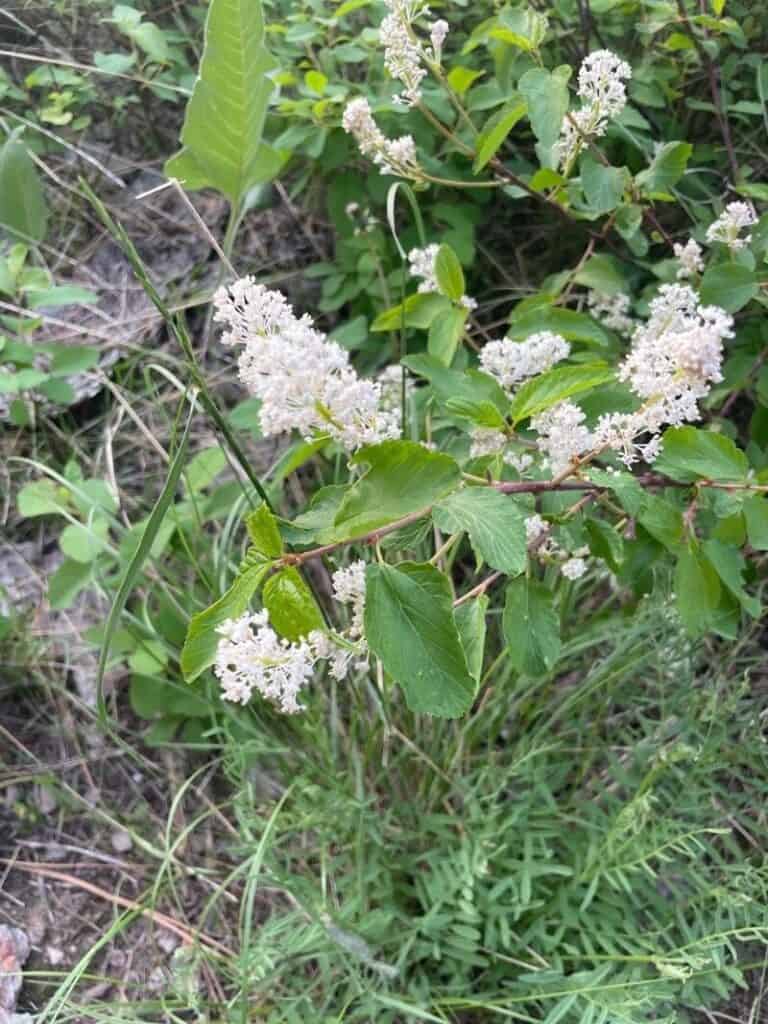
Beyond the Blue Blossom: Multiplying the Magic of Ceanothus sanguineus
The Ceanothus sanguineus, also known as the Redstem Ceanothus or Oregon Teatree, is a visual delight. This North American native boasts charming clusters of tiny blue blossoms that erupt in a vibrant display each spring. But beyond its captivating beauty lies a surprisingly accessible propagation process, allowing you to multiply the magic of this plant right in your own backyard.
Reaping the Rewards of Propagation
Why propagate your Ceanothus sanguineus? Well, for starters, it’s a cost-effective way to expand your garden with these stunning shrubs. Instead of purchasing new plants, you can create clones from your existing ones, saving money and preserving the unique characteristics of your beloved specimens. Plus, there’s a certain satisfaction that comes from nurturing a plant from its earliest stages.
Two Paths to Propagation: Seeds vs. Cuttings
When it comes to propagating Ceanothus sanguineus, you have two primary options:
1. Seed Propagation: Embracing the Element of Surprise
While slightly less common, growing Ceanothus sanguineus from seed offers an adventurous route for green thumbs. Here’s how to embark on this botanical journey:
- Seed Collection: After the flowers fade, collect the small, brown seed pods.
- Scarification and Stratification: To break their dormancy, gently scarify the seeds (scratch their surface) and then cold stratify them by placing them in moist sand in the refrigerator for 6-8 weeks.
- Sowing: In spring, sow the seeds outdoors in a prepared seedbed or individual pots filled with well-draining soil.
- Patience is Key: Be prepared to exercise patience as germination can be erratic, with some seeds sprouting in weeks while others might take months.
Keep in mind that plants grown from seed may exhibit variations in flower color and growth habit compared to the parent plant.
2. Cutting Propagation: Cloning Perfection
For a more predictable outcome, propagating Ceanothus sanguineus from cuttings emerges as the favored method. This technique allows for faster establishment and guarantees an identical replica of the parent plant. Follow these steps for success:
- Timing is Everything: The ideal time to take cuttings is in late spring or early summer when the new growth is semi-hardened.
- Cutting Selection: Choose healthy, vigorous shoots that are about 4-6 inches long and free from flowers or buds.
- Preparing the Cuttings: Remove the bottom leaves and wound the base of the cutting slightly to expose the cambium layer (a thin layer of actively dividing cells) which promotes root formation.
- Potting and Care: Plant the cuttings in a well-draining potting mix, ensuring the wounded portion is buried. Water thoroughly and maintain humidity by covering the pot with a plastic bag or using a propagation dome.
- Rooting and Transplanting: After 6-8 weeks, check for root development by gently tugging on the cuttings. Once rooted, gradually acclimate the cuttings to outdoor conditions before planting them in their permanent location.
Nurturing Your New Progeny
Regardless of your chosen propagation method, remember that young Ceanothus sanguineus plants thrive in sunny locations with well-drained soil. They are relatively drought-tolerant once established, but regular watering during their first year is crucial.
By mastering the art of propagation, you can unlock the potential of this beloved plant, turning one stunning Ceanothus sanguineus into a symphony of blue blossoms in your very own garden.