
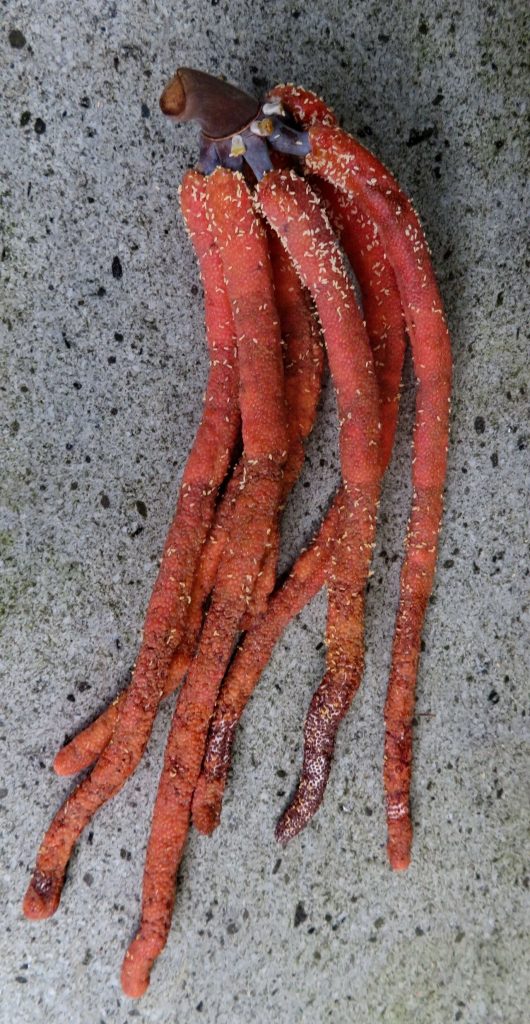
Propagating Cecropia schreberiana: A Guide to Growing the White Cecropia
Introduction:
Cecropia schreberiana, commonly known as the white cecropia or embaúba branca, is a fast-growing, dioecious tree native to the Neotropics. Characterized by its hollow, prominently-jointed stems, large, palmate leaves, and distinctive ant-plant symbiotic relationship, it’s a striking addition to any tropical or subtropical garden. Its rapid growth and ability to thrive in degraded areas make it increasingly popular, particularly amongst those interested in ecological restoration. However, while its ease of establishment once rooted is well-known, propagation from initial stages can present unique challenges. This guide explores different methods for successfully propagating Cecropia schreberiana.
Seed Germination:
Currently, there are no known reliable methods for seed germination propagation of Cecropia schreberiana. While seeds are produced, germination rates are notoriously low, and successfully establishing seedlings from seed remains a largely unsolved challenge for this species. Further research is needed to determine optimal germination conditions, if any exist.
Cuttings:
Cuttings offer a more reliable method of propagation for Cecropia schreberiana.
Challenges: The success rate can vary depending on the timing and technique used. Using young, actively growing stem cuttings is crucial. Infection from fungi and bacteria is a common hurdle.
Practical Tips: Take semi-hardwood cuttings (about 10-15 cm long) from healthy, actively growing shoots in the spring or early summer. Remove lower leaves to prevent rotting. Dip the cut ends in a rooting hormone solution before planting in a well-draining, moist propagation mix (e.g., perlite and peat moss). Maintain high humidity (using a humidity dome or plastic bag) and warmth. Regularly mist the cuttings to maintain moisture.
Rewards: Cuttings provide a more consistent and faster method of propagation compared to other techniques, allowing for quicker establishment of new plants. It offers genetic uniformity, valuable if propagating specific desirable traits.
Division:
Division is not a practical method for propagating Cecropia schreberiana as it does not naturally produce suckers or offsets that can be easily separated.
Tissue Culture:
Tissue culture offers potential for large-scale propagation of Cecropia schreberiana.
Challenges: Establishing a reliable tissue culture protocol for this species requires specialized knowledge and laboratory equipment. Contamination is a major concern, and optimizing media composition for optimal growth is crucial.
Practical Tips: This method requires expertise in plant tissue culture techniques. Explants (small pieces of plant tissue) taken from actively growing shoot tips may be used as starting material. Sterile conditions are essential, using appropriate disinfectants and aseptic techniques.
Rewards: Tissue culture allows for the rapid multiplication of superior genotypes and the production of disease-free plants. It’s particularly valuable for conservation efforts and large-scale planting projects.
Conclusion:
Propagating Cecropia schreberiana presents unique challenges across various methods. While seed germination remains largely unreliable, cuttings offer a practical approach for gardeners, although success requires attention to detail. Tissue culture, while demanding expertise and resources, holds significant potential for large-scale propagation and conservation. The rewards of successfully cultivating this magnificent tree, however, are well worth the effort. The rapid growth, resilience, and ecological importance of Cecropia schreberiana, combined with the satisfaction of nurturing it from cutting to mature tree, offer a unique and fulfilling experience for the dedicated propagator. Don’t be discouraged by initial setbacks— perseverance and careful attention to detail will ultimately yield success.