
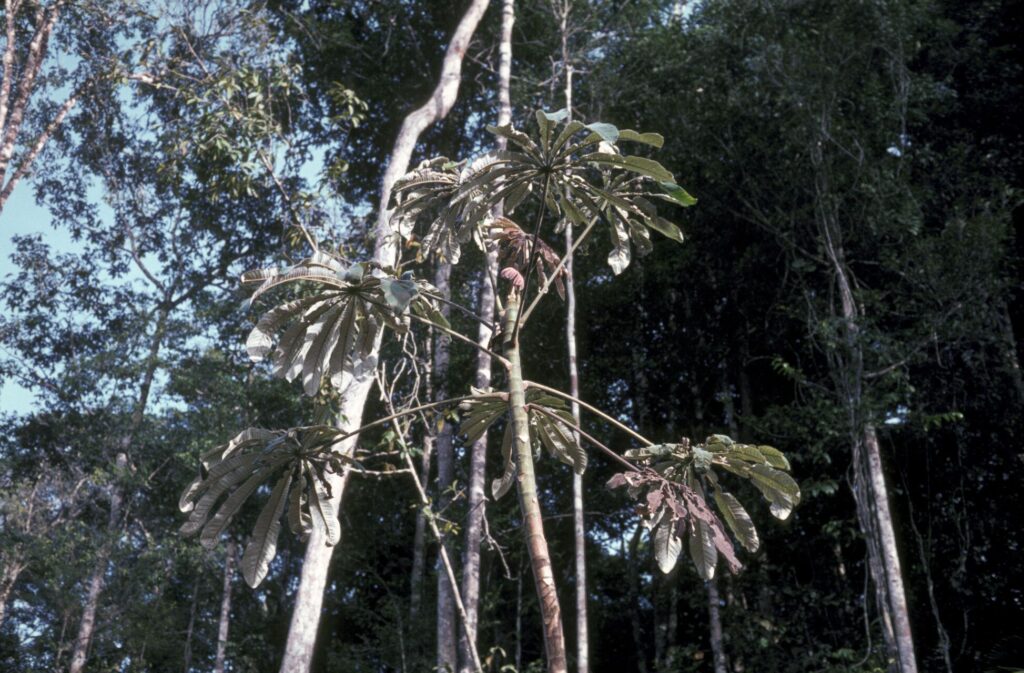
From Seed to Shade: Propagating the Majestic Cecropia silvae
The Cecropia silvae, with its towering stature and distinctive, hand-shaped leaves, is a plant that commands attention. Known as the “trumpet tree” or “white-cedar,” it’s a popular choice for landscaping and its value extends beyond aesthetics. This fast-growing tree provides valuable food and shelter to wildlife, making it a natural asset for any garden or homestead. But how do you bring these magnificent trees into your own world? The answer lies in propagation, a process you can learn to master with a little patience and guidance.
Seeds of Success:
Cecropia silvae can be propagated by seed, a journey that starts with collecting mature fruits resembling small, yellowish berries. When ripe, these fruits will release tiny seeds, each containing the potential for a towering tree.
- Sourcing Seeds: You can purchase seeds online, collect them yourself from mature trees, or even try collecting fallen fruits. Remember to check for local regulations before collecting seeds in the wild.
- Preparing the Seedlings: The first step is to prepare your seeds for germination. Soak them in a mild disinfectant solution for a few minutes to remove any contaminants. This step helps ensure healthy growth and minimizes the risk of fungal infections.
- Sowing Time: Cecropia silvae seeds thrive in warm environments, making spring or early summer the ideal time for sowing. Choose a well-draining potting mix and scatter the seeds evenly over the surface. Gently press them into the soil, cover with a thin layer of vermiculite, and water lightly.
- Nurturing Growth: Keep the seedlings moist but not soggy, and provide them with bright, indirect light. Germination can take anywhere from a few weeks to a few months, so patience is key. Once the seedlings have a few true leaves, you can transplant them into individual pots, allowing them to develop a strong root system.
Beyond Seeds: Cuttings for Quicker Growth
While seeds are a traditional method, you can also propagate Cecropia silvae through cuttings, providing a faster way to establish new trees.
- Choosing Cuttings: Select healthy, mature stems from a healthy parent plant. Aim for stems with a diameter of about a half-inch and cut them at an angle, ensuring a clean cut. Remove any lower leaves from the cutting to avoid rot.
- Rootage Solutions: Dip the cut end of the stem in a rooting hormone to encourage root development. This hormone acts as a catalyst, stimulating the growth of new roots.
- Potting Up: Prepare a pot with a suitable potting mix and plant the cutting, burying about half of its length. Water it thoroughly and cover the pot with a plastic bag or dome to create a humid environment.
- Maintaining Humidity: This humidity helps promote root formation. Regular misting and monitoring are essential to ensure the cutting remains moist but not soggy.
- Time for Sunlight: Once the cutting has developed roots, typically within a few weeks, you can gradually transition it to a brighter environment with filtered sunlight.
From Home to Garden:
Whether you choose to propagate from seeds or cuttings, the process requires patience, consistent care, and a touch of green thumb magic. With the right conditions, you’ll see your Cecropia silvae thrive. As these magnificent trees mature, they will reward you with vibrant foliage, a haven for wildlife, and a majestic reminder of the beauty and wonder of nature.