
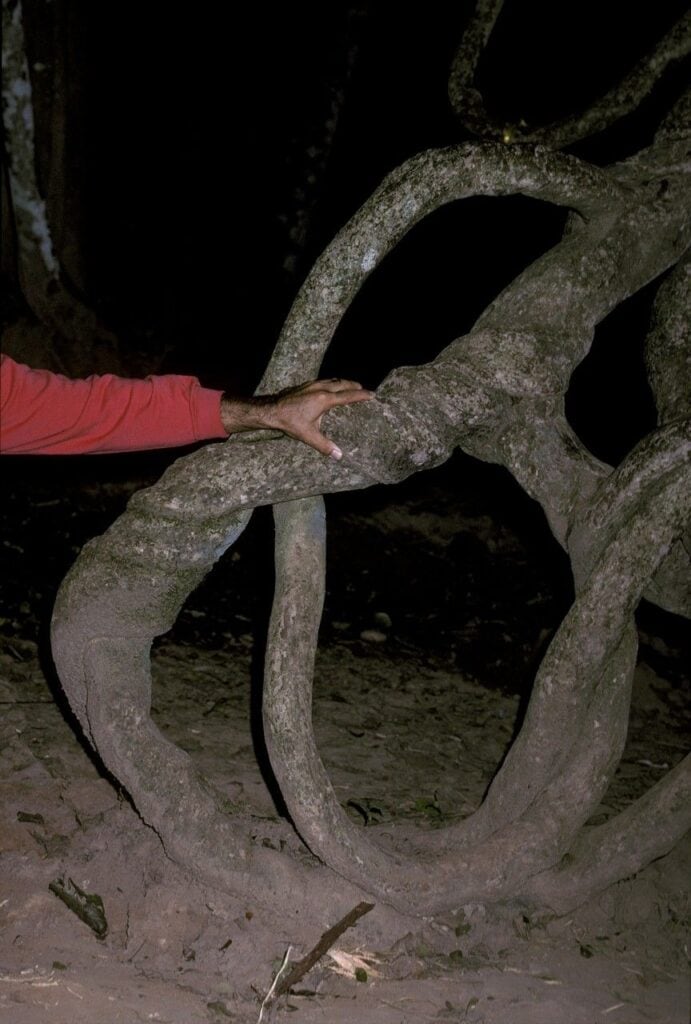
Unlocking the Secrets of the Intellect Tree: Propagating Celastrus Paniculatus
The Celastrus paniculatus, also known as the “intellect tree” or “staff tree,” is more than just a beautiful addition to your garden. This climbing shrub boasts vibrant orange berries and intriguing seed pods, and it holds a special place in traditional medicine for its purported cognitive-enhancing properties.
Whether you’re drawn to its beauty or its intriguing history, you might be wondering how to successfully propagate this unique plant. This guide will equip you with the knowledge to cultivate Celastrus paniculatus yourself, using two primary methods:
Method 1: Seed Propagation
- Source your seeds: Celastrus paniculatus seeds require a period of stratification (cold treatment) to germinate successfully. You can collect seeds from ripe fruit in fall or purchase stratified seeds from a reputable supplier.
- Prepare your pots: Choose well-draining soil and fill small pots, leaving about an inch of space below the rim.
- Sow the seeds: Plant seeds about half an inch deep in the moistened soil.
- Create a suitable environment: Place the pots in a bright location, out of direct sunlight. Maintain a temperature between 65-75°F (18-24°C).
- Patience is key: Germination can take anywhere from a few weeks to a few months. Keep the soil consistently moist but not waterlogged.
- Transplant seedlings: Once seedlings develop a strong root system and several sets of true leaves, transplant them into larger pots or directly into the ground.
Method 2: Semi-Hardwood Cuttings
Propagating Celastrus paniculatus through cuttings offers a faster route to mature plants. Here’s how to do it:
- Time it right: Take cuttings in late summer or early fall when the plant’s growth is semi-hardwood.
- Select healthy stems: Choose healthy, non-flowering stems that are about 4-6 inches long and show signs of new growth.
- Prepare the cuttings: Remove leaves from the bottom two inches of the stem. Make a clean cut just below a leaf node.
- Encourage root development: Dip the cut end in rooting hormone powder to stimulate root growth.
- Plant your cuttings: Insert the cuttings into a well-draining potting mix. Ensure the leaf nodes are buried, as roots will sprout from these points.
- Create a humid environment: Cover the cuttings with a plastic bag or humidity dome to trap moisture and promote rooting.
- Monitor & transplant: After a few weeks, gently tug on the cuttings. Resistance indicates successful rooting. Once a strong root system develops, transplant them into larger pots or your garden.
Tips for Success:
- Well-draining Soil: Celastrus paniculatus thrives in well-drained soil. Amend heavy clay soils with compost to improve drainage.
- Sun and Support: Provide your plants with full sun to partial shade for optimal growth and berry production. As climbers, they appreciate a trellis, fence, or other structures for support.
- Pruning: Prune regularly to manage size and shape. This is best done in late winter or early spring.
Propagating Celastrus paniculatus takes patience and care, but the rewards are well worth the effort. By following these steps, you can cultivate this fascinating plant and enjoy its beauty and unique properties for years to come.