
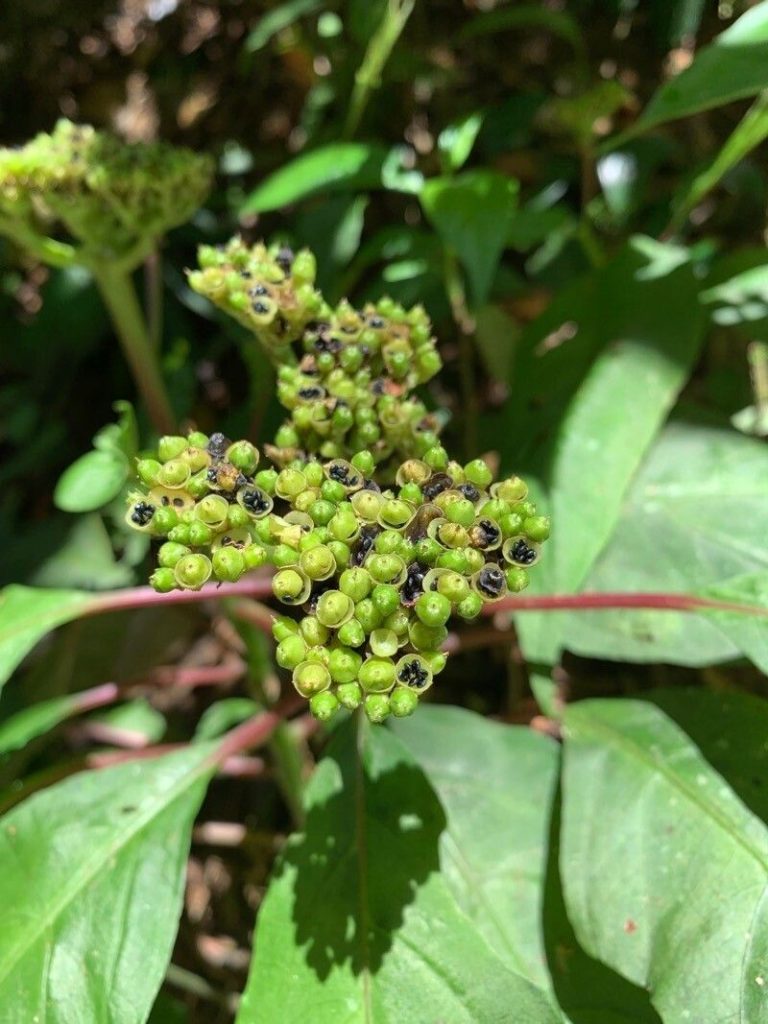
Propagating the Plume Celosia (Celosia argentea var. cristata): A Gardener’s Guide
Introduction:
Celosia grandifolia is more accurately referred to as a variety within the broader Celosia argentea species, often called the "plume celosia" or "cockscomb" depending on the variety. This heat-loving annual boasts dramatic, feathery flower plumes in vibrant hues of red, orange, yellow, and pink. Its striking appearance makes it incredibly popular among home gardeners and landscapers alike, often used as a focal point in borders, containers, or cut flower arrangements. The unique challenge and subsequent reward of successful propagation contribute further to its appeal. While Celosia argentea varieties readily produce seed, propagation methods can vary depending on the specific cultivar and desired outcome.
Seed Germination:
Seed germination is a highly viable and successful method for propagating most Celosia argentea cultivars, including those with plume-like flowers.
Challenges: Fine seeds can be delicate and require careful handling to avoid burying them too deeply, which can hinder germination. Overwatering can lead to damping off (a fungal disease killing seedlings). Furthermore, inconsistent temperatures can affect germination rates.
Practical Tips: Sow seeds indoors 6-8 weeks before the last expected frost, using a well-draining seed-starting mix. Scatter seeds thinly on the surface and gently press them into the soil. Maintain consistently moist but not soggy soil (bottom watering is recommended). Provide ample light (a sunny windowsill or grow light). Germination typically occurs within 7-14 days at temperatures between 70-75°F (21-24°C). Once seedlings have developed a few true leaves, transplant them into individual pots.
Rewards: Seed propagation offers the chance to cultivate a large number of plants from a small amount of seed, providing genetic diversity within the population and allowing for experimentation with different varieties.
Cuttings:
Cuttings are less reliable for propagating Celosia argentea compared to seed.
Challenges: Celosia stems are somewhat soft and prone to rotting if not handled carefully. Rooting hormones may be necessary to increase success rates. Compared to seed propagation, rooting from cuttings is slower, and yields fewer plants.
Practical Tips: Take 4-6 inch stem cuttings from healthy, actively growing plants in spring or early summer. Remove lower leaves to avoid rot. Dip the cut end in rooting hormone and plant in a well-draining potting mix. Keep the cuttings consistently moist but not waterlogged, and provide bright, indirect light.
Rewards: A quicker way to obtain a few identical plants compared to growing from seed, maintaining specific cultivar traits.
Division:
Division is not a practical method for propagating Celosia argentea. This is an annual plant, and its root system is not suited to division.
Tissue Culture:
Tissue culture is a technically advanced propagation method rarely used for home gardeners.
Challenges: This method requires specialized equipment, sterile conditions, and a thorough understanding of plant tissue culture techniques. It’s typically performed in labs with controlled environments.
Practical Tips: Not applicable for the average home grower.
Rewards: Potentially allows for rapid large scale propagation of plants, and disease-free stock.
Conclusion:
Propagating Celosia argentea, particularly the feathered plume varieties, presents a range of challenges and rewards. Seed germination offers the most efficient and reliable method, allowing for large-scale propagation and genetic variation. Cuttings can be attempted, but success rates require careful attention to detail. Division and tissue culture are impractical for most home gardeners. The unique satisfaction of nurturing these delicate seeds into vibrant, flowering plants makes the effort worthwhile. Don’t be discouraged by initial setbacks; the striking beauty of a successfully propagated plume celosia is a testament to perseverance and horticultural skill. Remember to consistently research the specific cultivar you are attempting to propagate, as some may possess unique requirements.