
From Seed to Shade: Unlocking the Secrets of Propagating Hackberry Trees
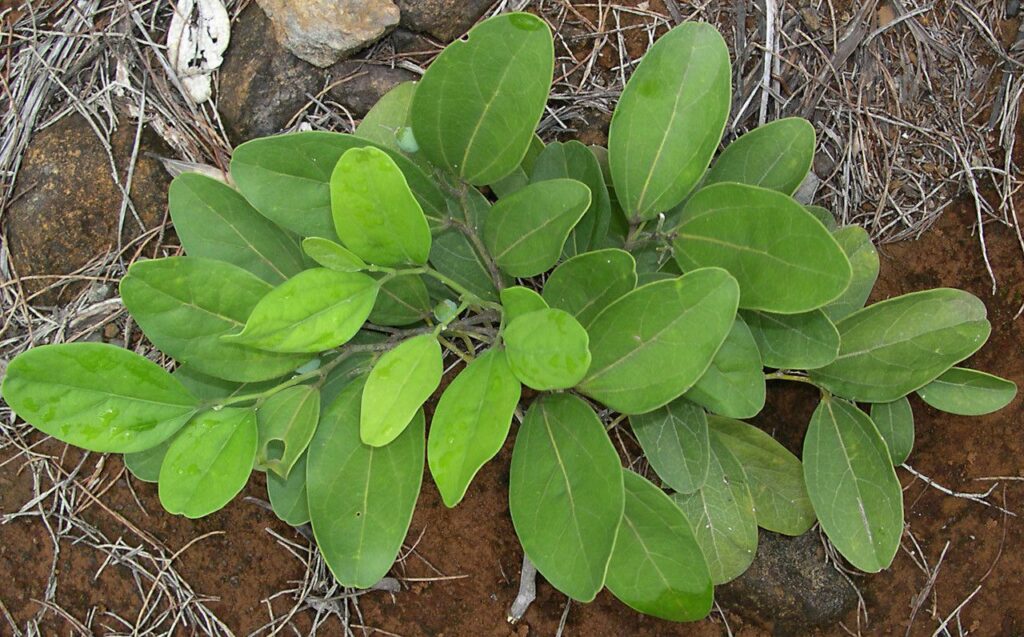
For those seeking shade and a touch of native charm, the Hackberry tree (Celtis hypoleuca) is a truly captivating choice. This hardy, adaptable tree can add a touch of the wild to any landscape. But what if you want to grow a whole grove of these magnificent trees? Enter the world of propagation – the art of creating new plants from existing ones.
From Seed to Sapling:
Hackberry trees, like many others, can be propagated from seed. This method is a bit of a longer game, but it’s an incredibly rewarding experience. Here’s a step-by-step guide:
- Harvesting the Seeds: Fall is the key time for collecting Hackberry seeds. Gather the ripe, dark purple fruits and let them ferment for a few days. This helps soften the outer layer and makes extracting the seeds easier.
- Cleaning and Drying: After fermentation, remove the seeds and rinse them thoroughly. Spread them out in a single layer on a screen or paper towel in a well-ventilated area to dry completely.
- Stratification: Hackberry seeds require a period of cold, moist stratification to break dormancy. Mix the seeds with slightly moist peat moss or vermiculite and place them in a sealed container (like a plastic bag) in the refrigerator for at least 60 days.
- Sowing the Seeds: In spring, after stratification, sow your seeds in a seed tray or directly outdoors in a well-drained seedbed. Cover them with a thin layer of soil and keep the medium consistently moist.
- Patience is Key: Germination can take several weeks, so patience is key. Once seedlings emerge, thin them to allow for proper spacing.
From Cuttings to Clones:
For those seeking faster results, propagating Hackberry trees via cuttings is a viable option.
- Timing is Everything: The best time to take cuttings is in the spring or early summer, when new growth is actively developing.
- Select the Right Cuttings: Choose healthy, young, semi-hardwood shoots. Look for shoots that are about 6-8 inches long and have at least 3-4 nodes (the points where leaves emerge).
- Preparing the Cuttings: Make a clean cut with sharp shears, just below a node. Remove the leaves from the bottom 2 inches of the cutting.
- Rooting Medium and Hormone: Use a rooting medium like vermiculite or perlite. Dip the cut end of the cutting in rooting hormone to stimulate root growth.
-
Insert and Care: Insert the cuttings into the rooting medium, ensuring the nodes are buried. Keep the medium moist and the cuttings in a bright, indirect light location. Remember, patience is still important, as rooting can take several weeks.
Growing Your Hackberry Sapling:
Once your Hackberry tree, whether grown from seed or cuttings, has developed a strong root system, you can transplant it into a larger pot or directly into your chosen planting site. Make sure you provide well-drained soil, consistent moisture, and protection from harsh winds during the early stages of growth.
The Rewards of Propagation:
Beyond the practical aspects of growing your own Hackberry trees, propagating these remarkable plants offers a unique connection to nature. You’ll gain a deep appreciation for the life cycle of trees and enjoy the satisfaction of nurturing them from seed to sapling. So, whether you’re looking for a shaded haven in your backyard or simply want to contribute to the ecosystem, consider embarking on the rewarding journey of Hackberry propagation.