
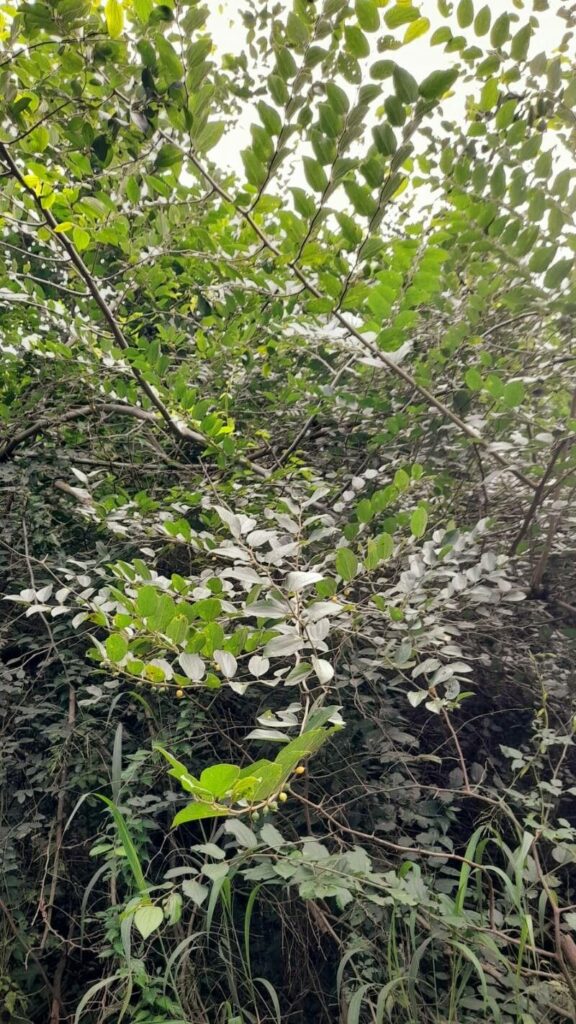
Taming the Lizard’s Tail: A Guide to Propagating Celtis iguanaea
The plant world is full of species with intriguing names, and Celtis iguanaea, also known as the Lizard’s Tail or Uña de Gato, is no exception. This sprawling shrub, native to tropical regions of the Americas, boasts intriguing hooked thorns and sweet fruits, making it a unique addition to warmer gardens. Interested in inviting this unusual beauty into your landscape? Let’s explore the ins and outs of propagating Celtis iguanaea.
The Seeds of Success: Propagating from Seed
If you’re up for a bit of a horticultural adventure, growing Celtis iguanaea from seed is a rewarding experience. Here’s what you need to know:
- Seed Collection: Collect ripe fruits directly from the plant or purchase seeds from a reputable supplier. Ripe fruits are typically orange or red.
- Seed Preparation: Gently crush the fruits to extract the small, hard seeds. Soaking the seeds in warm water for 24 hours can help soften the seed coat and encourage germination.
- Sowing: Use a well-draining seed starting mix. Sow seeds about 1/2 inch deep and keep the soil consistently moist but not waterlogged.
- Patience is Key: Germination time for Celtis iguanaea can be variable, ranging from a few weeks to several months. Be patient and provide consistent moisture and warmth (around 70-75 degrees Fahrenheit).
Taking the Shortcut: Propagating from Cuttings
For a quicker and sometimes more reliable method, propagating Celtis iguanaea from cuttings is a great option. Follow these steps:
- Timing is Everything: Take cuttings in the spring or early summer from healthy, actively growing stems.
- Cut it Right: Select a stem that is at least 6 inches long and has several leaf nodes. Make a clean cut below a leaf node using sharp, sterilized pruning shears.
- Prep Your Cutting: Remove the leaves from the lower third of the cutting. You can also wound the base of the cutting slightly to expose more of the cambium layer, which can help root development.
- Rooting Hormone (Optional): Dipping the base of the cutting in rooting hormone can increase the chance of success, but it’s not strictly necessary.
- Planting and Patience: Plant the cutting in a pot filled with a well-draining rooting medium, such as a mix of perlite and peat moss. Keep the medium consistently moist and provide indirect sunlight.
Nurturing Your New Plants
Whether you choose to propagate from seed or cuttings, once your Celtis iguanaea plants start to grow, provide them with the following care:
- Well-Draining Soil: This species is drought-tolerant once established but prefers soil with good drainage.
- Sunlight: Lizard’s Tail thrives in full sun to partial shade.
- Watering: Water regularly during the first growing season to establish a strong root system. Once established, water deeply but infrequently.
- Fertilization: Fertilize in spring with a balanced fertilizer to support healthy growth.
With a little patience and the right care, you can successfully propagate and enjoy the unique beauty of Celtis iguanaea in your own garden! Just be sure to keep an eye out for any passing lizards who may be drawn to their namesake plant!