
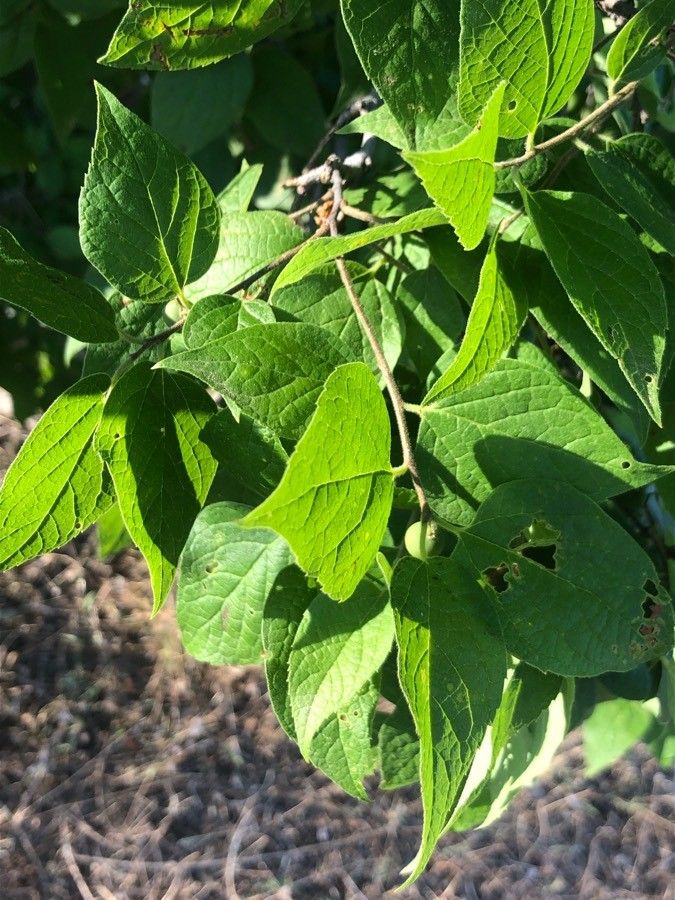
Unlocking the Secrets of “Sugarberry” Propagation: How to Grow More of This Beautiful Tree
The Celtis tenuifolia, commonly known as the Sugarberry, is an attractive and resilient tree that graces landscapes across the US. Its graceful form, shimmering foliage, and sweet berries make it a beloved choice for gardeners and nature enthusiasts alike. But what if you could share the beauty of this tree with others, or populate your garden with a grove of Sugarberries? The answer lies in the art of propagation!
Let’s delve into the exciting world of growing your own Sugarberry trees, exploring the various methods and tips for successful propagation.
1. Starting with Seeds: Nature’s Blueprint
The Sugarberry tree produces small, fleshy berries that contain seeds. These seeds are a natural starting point for propagation. Here’s how to embark on this journey:
- Harvesting Seeds: Collect ripe berries from the tree in late summer or early fall. Once collected, remove the pulp and gently clean the seeds.
- Stratification: Since Sugarberry seeds have a hard seed coat, they benefit from a process called stratification. This mimics the natural winter environment and helps break dormancy. Simply mix the seeds with moist sand or peat moss and store them in a cool area (between 32-41°F) for 60 to 90 days.
- Sowing Seeds: After stratification, sow the seeds in a seed-starting mix or a well-drained soil container. Keep the soil moist (not soggy), and provide ample sunlight.
2. Cloning the Best: The Magic of Cuttings
For a faster and more predictable method, consider propagating Sugarberry trees through cuttings. This method involves taking portions of an existing mature tree to create new ones.
- Timing is Key: Late summer or early fall is the ideal time for taking softwood cuttings, when the new growth is still pliable.
- Selection and Preparation: Choose healthy, disease-free branches with vigorous growth. Using sharp, clean tools, cut 4-6 inches long sections with several leaves.
- Encouraging Root Development: Remove the leaves from the bottom inch or two of the cutting. Then, dip that end in a root hormone powder and gently place it in a rooting mix.
- Nurturing the Cuttings: Keep the cuttings moist and sheltered under a humid dome or plastic bag. Place them in a partially shaded area. With patience, they will develop roots in a few weeks.
3. Layering: A Gentle Touch
Layering offers a slower but reliable way of propagating Sugarberries. It involves rooting a branch while still attached to the parent plant.
- Air Layering: This technique involves selecting a healthy branch and removing a section of bark. Wrap the exposed area with moist sphagnum moss and plastic wrap to create a humid microclimate. With time, the branch will develop roots within the moss.
Tip Layering: This technique involves bending a branch down to the ground, pinning it in place, and covering it with soil. The buried section will gradually develop roots.
Tips for Success:
- Soil: Use a well-draining, fertile soil for all propagation methods.
- Watering: Keep the soil consistently moist, but avoid overwatering.
- Location: Choose a sunny location with good air circulation for planting the new trees.
- Protection: Young Sugarberry trees benefit from some shade and protection from strong winds.
Embark on Your Propagation Journey
Whether you choose seeds, cuttings, or layering methods, propagating a Sugarberry tree is a rewarding endeavor. You’ll be rewarded with the satisfaction of growing your own beautiful trees and perhaps even sharing the bounty of this lovely species with others.