
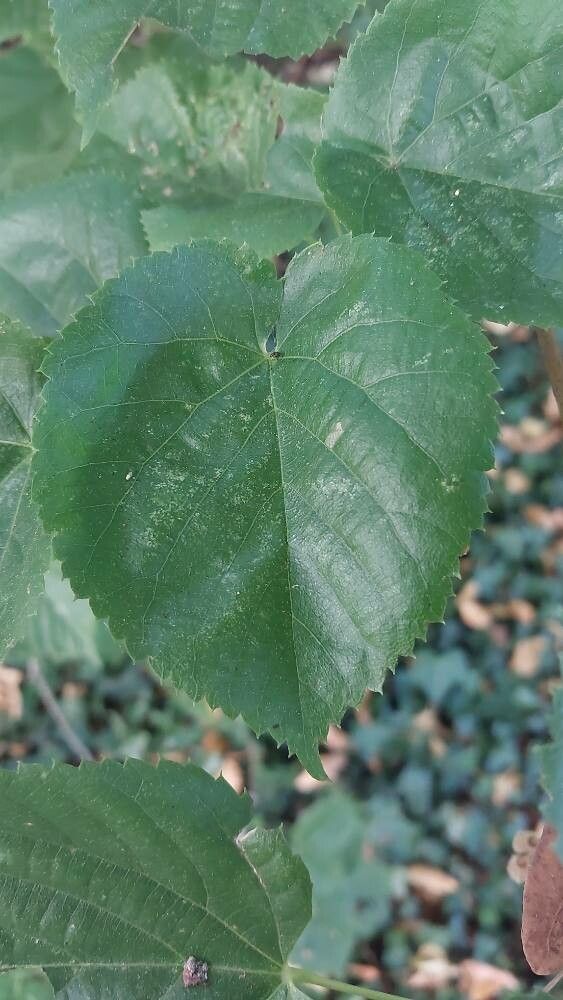
Grow Your Own Green Giant: Propagating the Majestic Manchurian Linden
The Manchurian Linden (Tilia mandshurica), a stately tree known for its majestic stature and fragrant blossoms, can add a touch of grandeur to any landscape. But what if you could share this beauty with the world? Through the magic of propagation, you can create your own mini-forest of these impressive trees, either for your own enjoyment or to contribute to a greener future.
Why Propagate?
Propagating plants offers several benefits, especially for a species like the Manchurian Linden.
- Genetic Diversity: Starting from seeds allows for increased genetic diversity, ultimately leading to healthier, more resilient trees.
- Preserving Specific Traits: Taking cuttings from a prized specimen ensures that the offspring inherit its unique features, like a specific leaf shape or flower color.
- Cost-Effective: While purchasing saplings can be expensive, propagating your own trees is a budget-friendly way to build your garden or contribute to reforestation efforts.
Methods for Propagating the Manchurian Linden
Two primary methods are commonly used for propagating the Manchurian Linden:
1. Seed Propagation:
- Collecting Seeds: Collect mature seeds from the tree in late summer or early fall. Look for seed pods that have turned brown and are starting to split open.
- Stratification: Manchurian Linden seeds require a period of cold stratification (exposure to cold temperatures) to break dormancy. Store them in a moist medium like peat moss or vermiculite in a refrigerator for 6-8 weeks.
- Sowing: After stratification, sow the seeds in a well-draining seed starting mix, keeping the soil consistently moist. Place the container in a warm, sunny location.
- Germination: Germination can take anywhere from 2 to 4 weeks, but patience is key. Once seedlings emerge, provide them with ample sunlight and water.
2. Cuttings:
- Taking Cuttings: During late summer or early fall, when the tree is semi-dormant, take 6-8 inch cuttings from healthy branches. Make sure to include at least 2 leaf nodes per cutting.
- Preparing Cuttings: Remove the leaves from the bottom 2 inches of the cutting and dip the cut end in rooting hormone.
- Growing Medium: Plant the cuttings in a well-draining potting mix, ensuring at least one node is buried. Keep the mix moist and provide bottom heat for optimal rooting.
- Rooting: Cuttings typically root within 6-8 weeks, but some may take longer. Once they have developed a strong root system, you can transplant them into larger pots or directly into the ground.
Tips for Success:
- Properly Timed Propagation: The success of both seed and cutting propagation depends on the timing. Consider the tree’s natural cycles and choose the appropriate time for collection and planting.
- Good Drainage: Manchurian Linden trees prefer well-drained soil, so make sure to choose a planting medium that allows for adequate drainage.
- Consistent Watering: While seedlings and cuttings need regular moisture, avoid overwatering, which can lead to root rot.
From Seed to Tree:
With the right techniques and a little patience, nurturing a Manchurian Linden from seed or cutting can be a fulfilling experience. You’ll witness, firsthand, the powerful cycle of life as you watch a tiny seed or cutting transform into a graceful, majestic tree.
This magnificent tree offers beauty, shade, and environmental benefits. By propagating it, you can contribute to its legacy, ensuring that future generations can enjoy its splendor and appreciate the wonders of nature.