
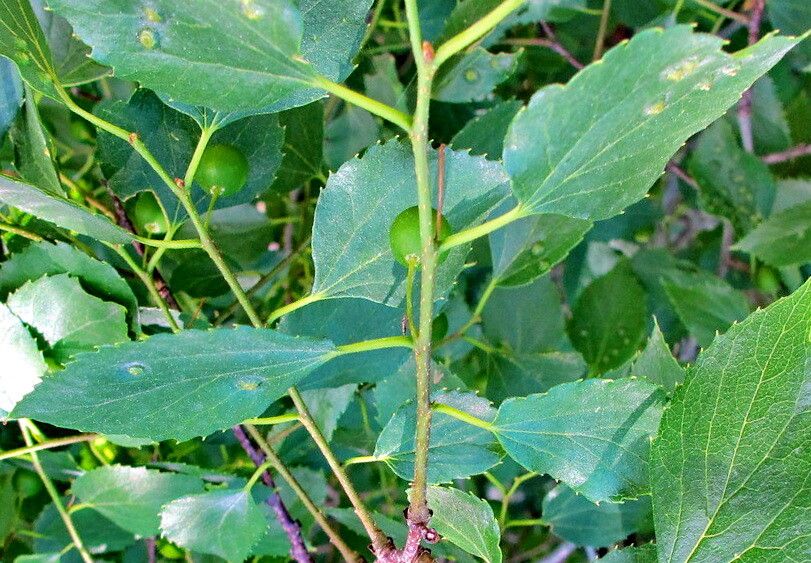
From Seed to Shade: Propagating the Majestic Hackberry (Celtis tournefortii)
Have you ever gazed up at a towering, ancient Hackberry (Celtis tournefortii) and wished you could cultivate such a magnificent tree in your own backyard? Though often overlooked, the Hackberry is a truly captivating tree, boasting a graceful silhouette, charming bark, and delightful edible fruits. And the best part? It’s surprisingly easy to propagate, bringing the majesty of this tree into your own garden.
The Magic of Seeds:
One of the most common and rewarding ways to propagate Hackberries is through seeds. Here’s how to embark on this botanical adventure:
-
Harvesting Seeds: Collect ripe Hackberry fruits in the late summer or early fall. They’ll have a dark, almost purplish hue, and the flesh will be soft and slightly sweet.
-
Extracting the Seeds: Carefully remove the seeds from the pulp. You can wash them under running water to thoroughly clean them.
-
Stratification: Hackberry seeds require a period of coldness before they can germinate. This process, called stratification, mimics the natural winter conditions. Place your seeds in a moist environment (like a plastic bag in the refrigerator) for 2-3 months at temperatures between 32-41°F (0-5°C).
-
Sowing Seeds: After stratification, plant your seeds about ¼ inch deep in well-drained soil. Water them consistently, keeping the soil moist but not soggy.
- Patience is Key: Germination can take from a few weeks to a couple of months. Be patient and ensure your seedlings receive plenty of sunlight as they grow.
Alternative Path: Cuttings:
If you want to fast-forward the process, you can try propagating Hackberries through cuttings.
-
Timing Matters: Take softwood cuttings during the spring or summer, ensuring the wood is still flexible, or semi-hardwood cuttings in the late summer or early fall, using wood that’s slightly harder but still flexible.
-
Cutting Technique: Make a clean cut just below a node (where leaf stems grow). Remove the lower leaves and dip the end of the cutting in rooting hormone to encourage root growth.
-
Ready for Roots: Plant the cuttings in a moist rooting mix and keep them in a humid environment, such as a propagator or covered with plastic wrap.
- Patience Pays Off: Rooting can take several weeks, so be patient and monitor the cuttings for signs of growth.
Ready for a New Generation:
No matter which method you choose, propagating Hackberries is an enjoyable and rewarding experience. These beautiful trees will provide shade, shelter, and beauty for generations to come. So, take a leap of faith, embrace the process, and welcome this fascinating native tree into your own outdoor oasis.