
Taming the Tumbleweed: Propagating Cenchrus longisetus
Cenchrus longisetus, better known as longspine sandbur or buffelgrass in some regions, might not roll off the tongue easily, but this tenacious grass deserves a closer look. Whether you consider it a tenacious survivor or a prickly nuisance likely depends on your perspective, but one thing’s for sure: it has a remarkable ability to propagate. If you’re interested in cultivating (or controlling!) this fascinating grass, understanding its propagation methods is key.
The Seed of Success:
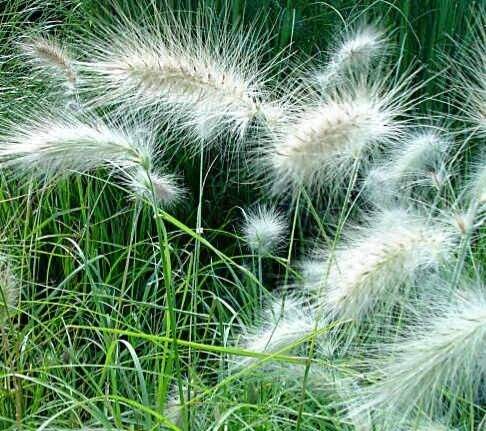
Cenchrus longisetus is a master of seed dispersal. In fact, it’s likely how this species has achieved such a global distribution. As the plant matures, it produces spiky seed heads commonly referred to as “burs.” Each prickly bur houses numerous seeds, patiently waiting for the perfect moment to hitch a ride.
Here’s where things get interesting (or irritating, depending on your relationship with this plant): the burs are covered in sharp spines that readily cling to fur, clothing, or even unsuspecting passersby. This ingenious adaptation ensures the seeds are carried far and wide, increasing their chances of finding a suitable environment to germinate.
Creating the Ideal Nursery:
If you’re intentionally propagating Cenchrus longisetus, you can mimic nature’s strategy. Collect mature seed heads (carefully – those spines are sharp!) and allow them to dry thoroughly. Then, gently break open the burs to release the seeds.
Cenchrus longisetus thrives in sunny, well-drained environments. Scatter the seeds on the surface of a prepared seedbed or individual pots filled with loose, sandy soil. While they don’t require burying, a light pressing into the soil can improve germination rates.
Beyond the Bur: Exploring Vegetative Propagation:
While seed dispersal is undoubtedly the champion of Cenchrus longisetus propagation, it’s not the only method. This resilient grass also demonstrates vegetative reproduction through its robust root system.
Underground, a network of rhizomes – modified stems that grow horizontally – extend outward. These rhizomes can sprout new shoots, creating interconnected colonies of Cenchrus longisetus. This ability to spread vegetatively contributes to the plant’s hardiness and allows it to quickly colonize areas.
A Note of Caution:
The very traits that make Cenchrus longisetus a successful colonizer have also led to its classification as an invasive species in some regions. Its rapid growth and efficient propagation can outcompete native plants, disrupting ecosystems.
If you choose to cultivate Cenchrus longisetus, be mindful of its potential to spread. Implementing containment strategies, such as planting in pots or carefully monitoring its growth, is crucial to prevent unintended consequences.
By understanding the fascinating and multifaceted ways in which Cenchrus longisetus propagates, we can better appreciate its tenacity while also making informed decisions about its management. Whether viewed as a valuable resource or a challenging invasive, there’s no denying the impressive survival strategies of this remarkable grass.