
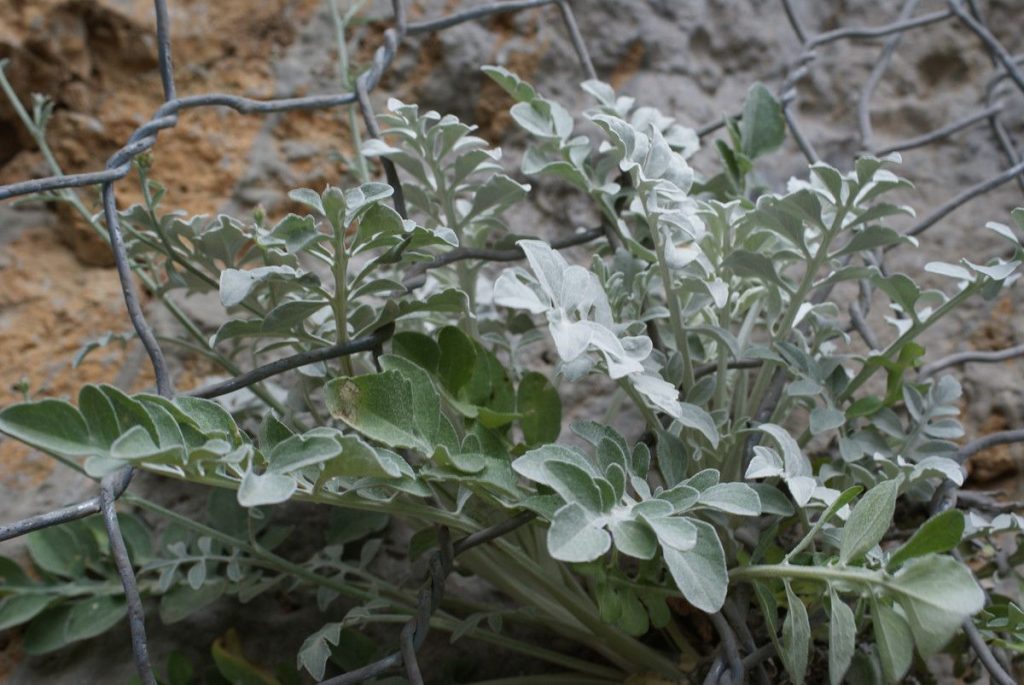
Propagating the Dusty Miller: Unveiling the Secrets of Centaurea argentea
Centaurea argentea, commonly known as Dusty Miller, is a captivating perennial herb prized for its silvery, deeply dissected foliage. This architectural plant adds a touch of elegant texture and contrasting color to gardens, making it a favorite among plant enthusiasts. Its popularity stems not only from its aesthetic appeal but also from its adaptability to various climates and relatively low maintenance requirements. However, successfully propagating Dusty Miller can present some unique challenges, making the rewards all the sweeter.
Seed Germination:
Currently, there are no known reliable methods for seed germination propagation of Centaurea argentea. While the plant does produce seeds, germination rates are notoriously low, and successful seedling establishment is rarely achieved. This is likely due to a combination of factors, including seed dormancy mechanisms and specific germination requirements that are yet to be fully understood.
Cuttings:
Cuttings offer a more reliable method for propagating Centaurea argentea.
-
Challenges: Rooting success can be variable, and the process requires patience and careful attention to detail. Softwood cuttings taken in spring or early summer are generally preferred.
-
Tips: Use a sharp, sterile blade to take cuttings of approximately 4-6 inches long, removing lower leaves to prevent rot. Dip the cut ends in rooting hormone powder to stimulate root development. Plant cuttings in a well-draining propagating mix, maintaining high humidity (e.g., using a humidity dome) and moderate warmth (around 70°F).
- Rewards: Cuttings offer a faster way to create new plants that are genetically identical to the parent plant, preserving desirable traits. This method is ideal for maintaining specific cultivars or propagating a limited number of plants.
Division:
Division is another feasible method, particularly for established plants.
-
Challenges: Centaurea argentea doesn’t readily form numerous offsets, so divisions may occasionally be limited. Overly aggressive division can stress the plant.
-
Tips: The best time to divide is in spring or early autumn. Carefully dig up the parent plant, gently separate the roots, ensuring each division has a good root system and several healthy stems. Plant the divisions promptly in well-prepared soil, providing ample watering until established.
- Rewards: Division yields a relatively quick increase in plant numbers and offers a simpler method than cuttings, especially for experienced gardeners.
Tissue Culture:
Tissue culture is a technically advanced method rarely used for Centaurea argentea propagation by home gardeners.
-
Challenges: This technique requires specialized equipment, sterile conditions, and a specific understanding of plant tissue culture protocols. It’s costly and time-consuming.
-
Tips: For successful tissue culture, aseptic techniques are crucial. Sterilize all equipment and prepare nutrient media according to established protocols. Select healthy, disease-free plant material for explant selection. Maintain sterile conditions throughout the process to prevent contamination.
- Rewards: Tissue culture allows for large-scale propagation, producing many genetically identical plants in a short period. It provides opportunities for mass production for commercial purposes.
Conclusion:
Propagating Centaurea argentea presents a unique set of challenges, varying across methods. While seed germination is currently unreliable, cuttings and division are more easily achievable for the home gardener. Tissue culture represents a more complex, though potentially higher-yield, option. However, the effort involved in successfully propagating this beautiful plant is ultimately rewarding. The satisfaction of nurturing a tiny cutting into a thriving Dusty Miller, or coaxing a division to flourish, is a testament to the gardener’s dedication and a source of immense pride. Don’t be disheartened by initial setbacks; experimentation and persistence are key to unlocking the secrets of propagating this silvery gem. So, choose your method, follow the tips, and enjoy the journey of cultivating your own Centaurea argentea.