
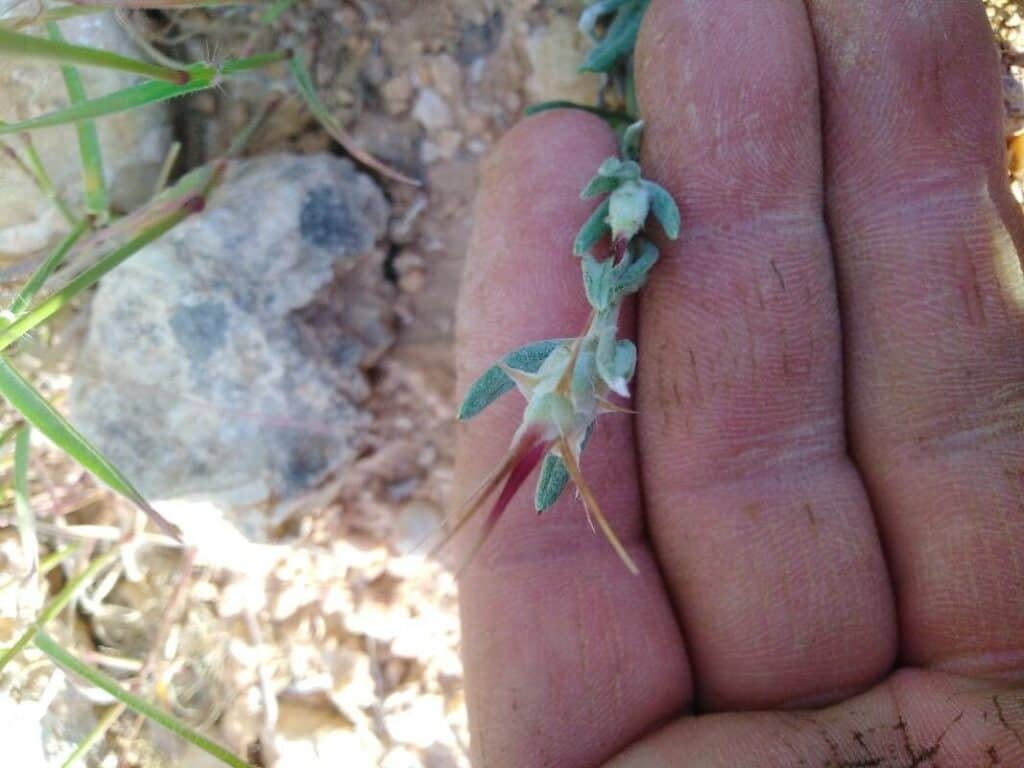
Woolly Wonders: Demystifying Centaurea eriophora Propagation
The world of plants offers endless fascination, with each species harboring its own unique beauty and quirks. Centaurea eriophora, charmingly known as the Woolly Starthistle, draws attention with its captivating, thistle-like blooms and intriguing, cobwebby foliage. But beyond its visual appeal, this Mediterranean native harbors a secret: it can be surprisingly easy to propagate, allowing even novice gardeners to spread the woolly wonder.
Understanding the Woolly Starthistle:
Before diving into the how-to, it’s helpful to know a bit about what makes Centaurea eriophora tick. This short-lived perennial thrives in well-drained soil and sunny positions, mimicking its natural Mediterranean habitat. Understanding its preferences is key to successful propagation and long-term cultivation.
Two Paths to Woolly Abundance:
While Centaurea eriophora readily self-seeds in ideal conditions, offering a passive propagation method, we’ll explore two active approaches:
1. Seed Sowing:
- Timing is Key: Late summer to early fall is the prime time for collecting seeds from mature flowerheads. Look for the telltale fluffy, white seed heads, a clear sign that they’re ready.
- Sowing Know-how: Surface sow your collected treasures onto a well-draining seed compost mix. Light is essential for germination, so don’t bury them deep! Keep the soil consistently moist but not waterlogged.
- Patience, Young Padawan: Be prepared to wait a bit, as germination can take anywhere from a few weeks to a couple of months.
- Transplanting Time: Once your seedlings develop a few true leaves, pot them on individually. Harden them off gradually before planting out in late spring or early summer.
2. Basal Cuttings:
- Springtime Snipping: Spring, when new growth emerges, is ideal for taking basal cuttings. Look for strong, healthy shoots emerging directly from the plant’s base.
- Precision is Key: Using a sharp, clean knife or pair of secateurs, take cuttings about 3-4 inches long. Remove the lower leaves, leaving only a few at the top.
- Hormones for a Helping Hand: Dipping the cut end in rooting hormone can significantly increase your success rate, although it’s not strictly necessary.
- Creating the Perfect Nursery: Plant your prepared cuttings in a well-draining mix of compost and perlite or vermiculite. A propagator or a humidity dome can help create a moist, warm environment that encourages rooting.
- Patience, Part Two: Keep the cuttings in a bright spot, out of direct sunlight. Rooting usually takes several weeks. You’ll know it’s successful when you see new growth emerging.
- Potting On: Once your cuttings have developed a robust root system, they’re ready to be potted on into individual pots.
Woolly Wisdom for Success:
- Choose your propagation method based on your resources and preference. If you’re short on time, seed sowing might be more convenient.
- Regardless of your chosen method, well-draining soil and consistent moisture are crucial for success.
- Protect young plants from slugs and snails, as they find the delicate foliage especially tasty.
- Once established, Centaurea eriophora is relatively low-maintenance and drought-tolerant.
Propagating Centaurea eriophora might seem daunting at first, but with a sprinkle of knowledge and a dash of patience, you can cultivate a thriving colony of these woolly wonders. So, grab your gardening gloves, embrace the joy of propagation, and let these captivating blooms grace your garden for years to come.