
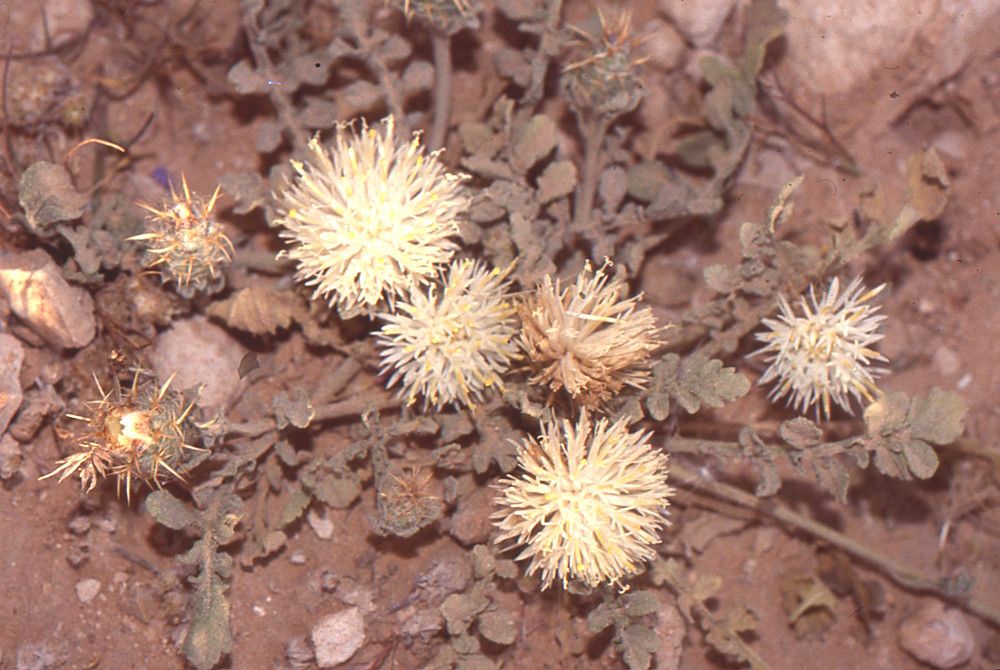
From Seed to Showstopper: Propagating the Dusty Miller for a Silver-Lined Garden
The Dusty Miller, with its silvery-grey foliage and delicate, feathery leaves, adds a touch of elegance and whimsy to any garden. Scientifically known as Centaurea furfuracea, this drought-tolerant beauty thrives in full sun and well-drained soil, making it a perfect choice for beginners and seasoned gardeners alike. But did you know that you can easily propagate this stunning plant yourself, ensuring a steady supply of Dusty Millers to grace your garden for years to come?
From Seed to Sprout: A Journey of Growth
Propagating Dusty Millers from seed is a rewarding and achievable process. Start by gathering fresh seeds, either from your existing plants or from a reputable seed supplier. Sow them indoors in a seed tray filled with a well-draining seed-starting mix, spacing them about an inch apart.
Keep the soil consistently moist but not waterlogged. A humidity dome or clear plastic wrap over the tray will help retain moisture and encourage germination. Place the tray in a warm, sunny spot with temperatures around 70°F (21°C). With proper care, you’ll see tiny sprouts emerge within 1-2 weeks.
Thinning for Success:
Once the seedlings have developed their first true leaves, thin them out, leaving the strongest plants about 2-3 inches apart. This step ensures ample space for each seedling to develop a strong root system and healthy growth.
Hardening Off and Transplanting:
Before transplanting your Dusty Miller seedlings into the garden, acclimate them to outdoor conditions through a process called hardening off. Gradually expose them to increasing periods of direct sunlight and cooler temperatures over a week or two. This prepares them for the rigors of the garden environment.
When the threat of frost has passed, you can transplant your hardened-off seedlings into their permanent location in the garden. Space the plants about 12-18 inches apart for optimal growth and air circulation.
The Cuttings Method: Quick and Easy
For a faster and more immediate result, you can propagate Dusty Millers from cuttings. This method is ideal if you already have a mature plant in your garden.
To propagate from cuttings:
- Choose healthy stems: Select non-flowering stems that are about 4-6 inches long.
- Make clean cuts: Using a sharp knife or pruning shears, make angled cuts just below a leaf node.
- Remove lower leaves: Remove the leaves from the bottom couple of inches of the stem.
- Rooting hormone: Dip the cut end of the stem in rooting hormone to encourage root development.
- Potting mix: Plant the cuttings in a well-draining potting mix, ensuring that the lower leaf nodes are buried in the soil.
- Moisture and light: Keep the soil consistently moist and place the pot in a bright location out of direct sunlight.
Within a few weeks, new roots should begin to develop, and your cuttings will be ready for transplanting into the garden.
Benefits of Propagation:
Propagating your own Dusty Millers offers several advantages:
- Cost savings: You can easily multiply your plants without shelling out money for new seedlings.
- Genetic variety: Seed propagation allows you to preserve the unique characteristics of your existing plants.
- Success rate: With a little care and attention, propagating Dusty Millers is a rewarding experience with a high success rate.
Enjoy your silver-lined splendor:
With its striking foliage and adaptable nature, the Dusty Miller is a versatile plant that adds beauty to borders, containers, and rock gardens. By learning to propagate this easy-to-grow plant, you can enjoy its silver-lined splendor year after year, multiplying its charm throughout your garden. And who knows, you might even find yourself gifting your carefully propagated Dusty Millers to friends and family, spreading the joy of this stunning plant far and wide.