
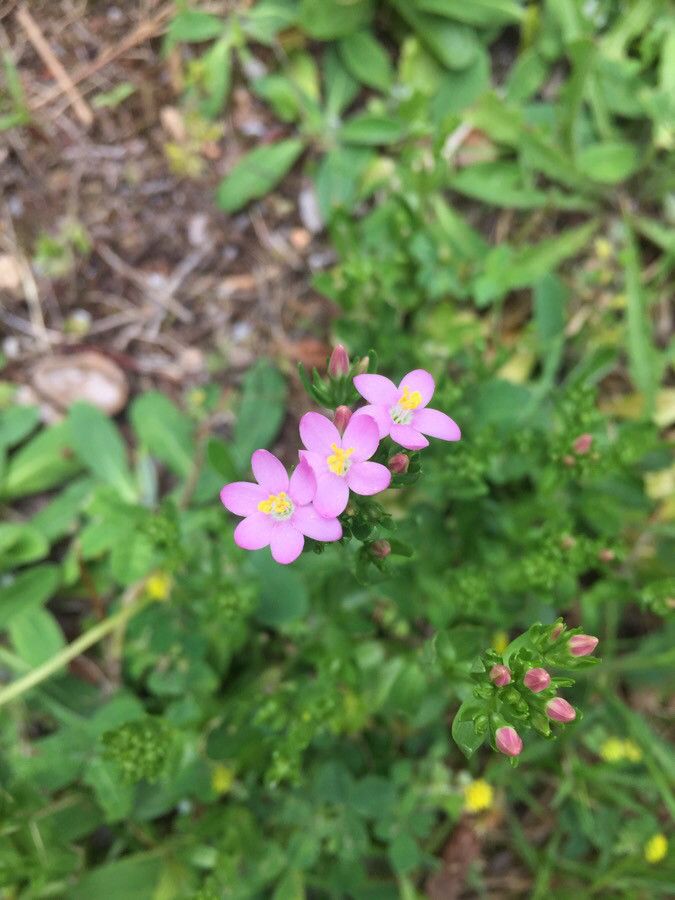
Unlocking the Secrets of Centaurium Erythraea: Easy Propagation for a Vibrant Herb
Centaurium erythraea, also known as common centaury, is a captivating herb with vibrant pink flowers and a long history of medicinal use. It’s not just a pretty face, though – this hardy plant is also remarkably easy to propagate, allowing you to expand your garden or share its benefits with others. In this post, we’ll explore the various methods for propagating Centaurium Erythraea, empowering you to cultivate this beneficial herb with ease.
From Seeds to Success:
Centaurium Erythraea seeds are readily available from reputable seed vendors. They are quite small and require light to germinate, so sowing them directly into seed trays or pots filled with well-draining soil is ideal. Sprinkle the seeds on the surface, gently press them down, and mist them with water.
Tip: Use a fine-mesh sieve to distribute seeds evenly and avoid overcrowding.
Maintain a consistently moist environment by covering the seed tray with a clear plastic wrap or humidity dome. Place it in a bright location with indirect light. Once the seedlings emerge, typically within 2-3 weeks, remove the cover and allow the soil to dry slightly between waterings.
The Magic of Cuttings:
Another simple method of propagation is through stem cuttings. This technique allows you to quickly create new plants from existing ones. Select healthy, non-flowering stems from your Centaurium Erythraea plant, ensuring they have at least two sets of leaves.
Tip: Take your cuttings early in the morning when the plant is well-hydrated.
Use a sharp knife or scissors to make a clean cut below a node (where leaves sprout). Remove the lower leaves from the cutting to avoid rotting and dip the cut end in rooting hormone for an extra boost.
Plant the cuttings in a mix of peat moss and perlite, or a similar well-aerated and moisture-retentive medium. Keep the soil consistently moist and place the cuttings in a bright, indirect light location. Within a few weeks, you should see roots emerging, signaling the successful propagation of your new plant.
Dividing Clumps for Abundant Growth:
For established Centaurium Erythraea plants, division is a simple and rewarding propagation method. Simply lift the plant from the ground and gently separate the clumps of roots and stems, ensuring each section has a healthy root system and at least one growth point.
Tip: Perform division in early spring or late summer for the best results.
Repot the divided plants in fresh, well-draining soil. Water them thoroughly and allow them to establish themselves in their new location.
Cultivation Tips for Thriving Centaurium Erythraea:
Once your propagated plants are established, provide them with well-drained soil in full sun to partial shade. During the flowering period, watering regularly is essential to support the plant’s growth.
Tip: Centaurium Erythraea is relatively pest and disease resistant, but keep an eye out for aphids and slugs.
Benefits of Growing Your Own Centaurium Erythraea:
By propagating your own Centaurium Erythraea, you open the door to a world of benefits:
- Enjoy fresh, potent herbs: The leaves and flowers can be used to make teas, tinctures, and other medicinal preparations.
- Save money: Purchasing seeds or cuttings compared to buying established plants is significantly more cost-effective.
- Share the bounty: Propagated plants make wonderful gifts for friends and family, allowing them to experience the benefits of Centaurium Erythraea themselves.
Centaurium Erythraea is a rewarding herb to propagate, offering a beautiful addition to your garden and a source of natural remedies. By following these steps, you can unlock the secrets of this vibrant herb and cultivate its potential for health and beauty.