
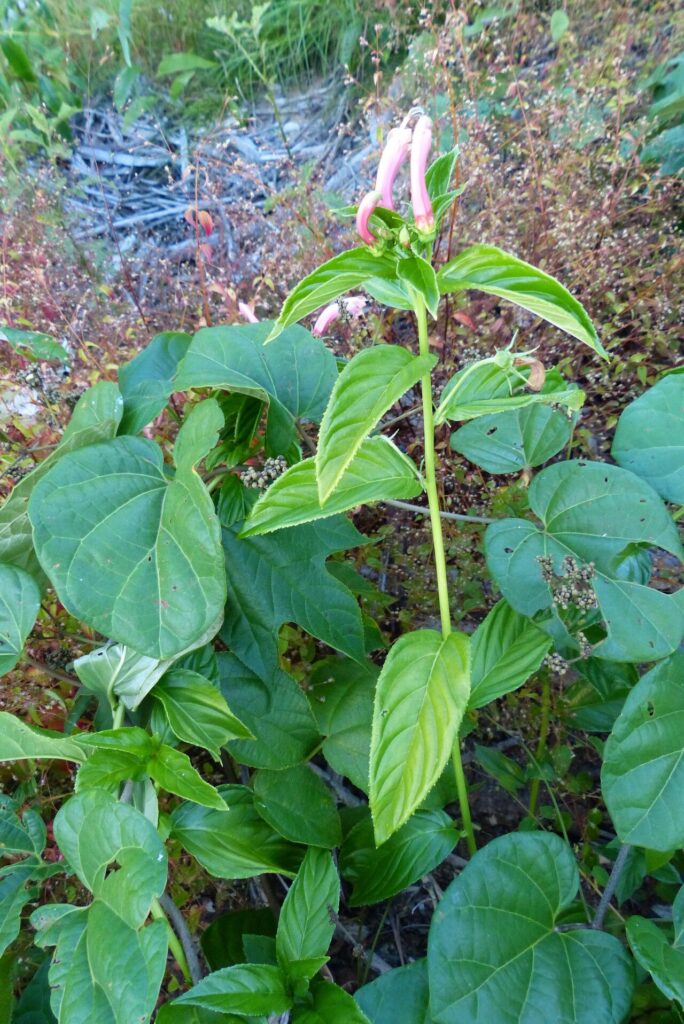
Propagating the Horned Centropogon: A Gardener’s Guide to Centropogon cornutus
Centropogon cornutus, also known as the horned centropogon, is a captivating plant prized for its pendulous, tubular flowers in shades of vibrant red, orange, and yellow. Its unique, slightly curved flower shape, along with its relatively long flowering period, has made it a popular choice among gardeners seeking to add a touch of exotic beauty to their collections, particularly hummingbird gardens. However, propagating this striking plant presents several challenges, making success all the more rewarding. This article explores various propagation methods for Centropogon cornutus, outlining their feasibility and practical steps.
Seed Germination:
Currently, there are no known reliable methods for seed germination propagation of Centropogon cornutus. While the plant does produce seeds, their germination rate is exceptionally low, and successful germination under controlled conditions hasn’t been widely documented. Further research is needed to determine the optimal conditions for seed germination, potentially involving sophisticated techniques like hormone treatments or specific stratification protocols. The potential reward, however, would be significant: seed propagation offers the opportunity to generate genetically diverse plants and facilitate large-scale propagation for conservation or commercial purposes.
Cuttings:
Cuttings offer a more reliable method for propagating Centropogon cornutus than seed germination. Semi-hardwood cuttings, taken in late summer or early autumn, generally show the best results.
- Challenges: Cuttings can be prone to rot if not handled correctly. Maintaining appropriate humidity levels and preventing fungal infections is crucial.
- Practical Tips: Use sharp, clean tools to take cuttings approximately 4-6 inches long, removing lower leaves to prevent rotting. Dip the cut ends in rooting hormone before planting them in a well-draining potting mix, such as a peat-perlite blend. Cover the cuttings with a plastic bag or humidity dome to maintain high humidity. Provide bright, indirect light and keep the soil consistently moist but not waterlogged.
- Rewards: Cuttings offer a relatively fast and efficient way to propagate Centropogon cornutus, preserving the genetic characteristics of the parent plant.
Division:
Division is not a practical method for propagating Centropogon cornutus. This plant doesn’t readily form extensive root systems with easily separable offshoots. Therefore, this method is not recommended.
Tissue Culture:
Tissue culture techniques hold potential for large-scale propagation of Centropogon cornutus.
- Challenges: Tissue culture requires specialized equipment, aseptic conditions, and expertise in plant tissue culture protocols. Developing a successful protocol for Centropogon cornutus will require dedicated research and experimentation to identify optimal media compositions and growth regulators.
- Practical Tips: This process is best left to experienced tissue culture laboratories. It involves sterilizing plant material, culturing it on a nutrient-rich agar medium, and then subculturing into larger vessels before acclimatizing the plantlets to greenhouse conditions.
- Rewards: Tissue culture offers the possibility of rapid and mass propagation, producing disease-free plants, and maintaining genetic consistency.
Conclusion:
Propagating Centropogon cornutus presents unique challenges across various methods. While seed propagation currently seems infeasible, cuttings offer a feasible, if somewhat delicate path to success. Tissue culture holds the most significant potential for large-scale propagation but demands specialized expertise and resources. The rewards, however, are significant. Successfully propagating this beautiful plant, overcoming the inherent difficulties, offers an unparalleled sense of accomplishment and deepens one’s connection with the natural world. For aspiring propagators, patience, meticulous attention to detail, and a willingness to experiment are key to unlocking the secrets of cultivating this striking plant. Start with cuttings, carefully manage humidity and moisture levels, and don’t be discouraged by initial setbacks – persistence is rewarded in the vibrant blooms of your successfully propagated Centropogon cornutus.