
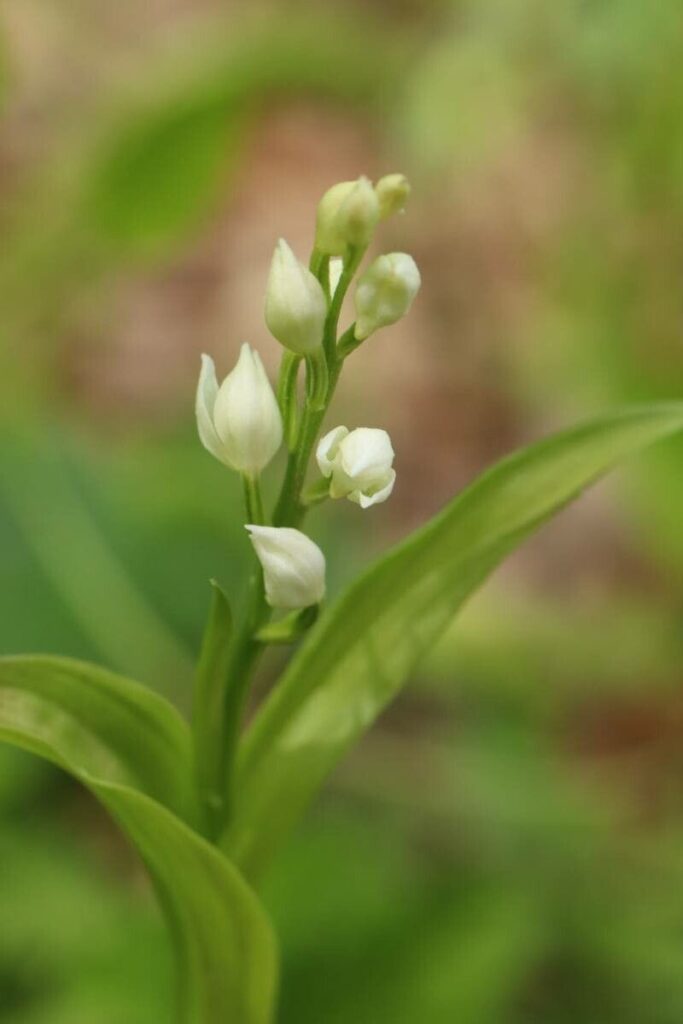
Unveiling the Secrets of Cephalanthera erecta Propagation: A Guide for Gardeners
The delicate, white blooms of Cephalanthera erecta, also known as the “White Helleborine,” are a sight to behold. But, unlike many orchids, growing them from seed presents a significant challenge. This is where the art of propagation comes in. This blog post will explore techniques for successfully growing Cephalanthera erecta from seed, division, and even tissue culture.
A Look at the Challenges:
Cephalanthera erecta is a myco-heterotrophic orchid, meaning it relies on a symbiotic relationship with specific fungi in the soil to obtain nutrients. This makes germination notoriously difficult, as the intricate fungal network is essential for the development of the seedlings.
The Three Pillars of Propagation:
- From Seed:
Seeds of Cephalanthera erecta are incredibly small and require a specific fungal partner for germination. This makes seed propagation a complex and often unreliable method. Here’s a breakdown of the process:
* **Seed Collection:** Harvest seed pods when they turn brown and dry.
* **Sterilization:** Sterilize seed pods to reduce the risk of fungal contamination.
* **Sowing:** Sow seeds onto a sterile soil mix inoculated with the necessary fungal partner.
* **Patience:** Germination can take several months, sometimes even years.- Through Division:
A more viable option for Cephalanthera erecta propagation is dividing existing plants. This technique typically yields faster results:
* **Choose a Healthy Plant:** Select a well-established plant with multiple growth points.
* **Timing:**  Carry out division during the dormant season (usually after flowering).
* **Careful Separation:** Gently separate the plant into divisions, ensuring each division has healthy roots and shoots.
* **Repot:** Repot the divisions into fresh, fungal-rich soil, mimicking their natural habitat.- Tissue Culture:
For those seeking consistent results, tissue culture offers a reliable and controlled method for multiplying Cephalanthera erecta plants. This advanced technique involves:
* **Sterilization:** Sterilizing plant material to establish a sterile environment.
* **Growth Media:** Cultivating plant cells and tissues on specialized media containing hormones and nutrients.
* **Multiplication:** The process involves multiplying plant cells and tissues to generate numerous copies.
* **Acclimatization:**  Gradually introduce the grown plants to outdoor conditions.
Creating the Ideal Environment for Growth:
Regardless of your chosen method, the success of Cephalanthera erecta propagation hinges on providing the species with its preferred conditions:
- Soil Type: A well-drained, organically rich soil that is slightly acidic to neutral.
- Shade: Cephalanthera erecta thrives in shady woodland conditions with dappled sunlight.
- Moisture: Maintain consistent moisture levels while avoiding waterlogged soil.
- Fungal Partners: Ensure a presence of the appropriate fungal partners in the soil.
A Note of Caution:
Cephalanthera erecta are protected under conservation status in some regions. It’s crucial to check local regulations and obtain permits before collecting plants or seeds from the wild.
Final Thoughts:
Learning the secrets of Cephalanthera erecta propagation is a rewarding endeavor for orchid enthusiasts. Whether you opt for the exciting challenge of seed germination, the reliability of division, or the advanced technique of tissue culture, these strategies will guide you toward cultivating these stunning orchids. Remember, patience and a mindful approach are key to success.