
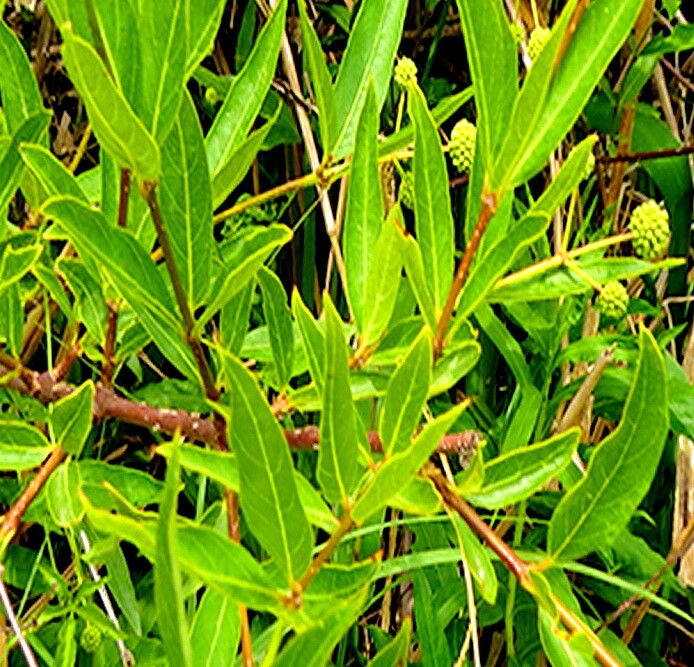
Propagating the Smooth Buttonbush (Cephalanthus glabratus): A Gardener’s Guide
Introduction:
Cephalanthus glabratus, commonly known as the smooth buttonbush, is a captivating shrub prized for its unique, spherical flower heads resembling pincushions. These creamy white blooms attract pollinators and add a striking visual element to gardens and landscapes. Unlike its close relative, Cephalanthus occidentalis (common buttonbush), C. glabratus boasts a smoother bark and a slightly more refined appearance. Its popularity among gardeners stems from its relatively low maintenance requirements and tolerance for wetland conditions. Propagating this beautiful shrub can, however, present some unique challenges. While the plant is not inherently difficult to propagate, success often depends on careful attention to detail and the chosen method.
Seed Germination:
Currently, there are no known reliable methods for seed germination propagation of Cephalanthus glabratus. While seeds may form, their germination rate is extremely low, and successful germination in controlled settings has not been consistently documented. Further research is needed to identify potential pre-treatment methods or optimal growing conditions that could improve germination success.
Cuttings:
Cuttings present a far more reliable method of propagating Cephalanthus glabratus.
Challenges: Rooting success can be influenced by the timing and type of cutting used. Hardwood cuttings taken in late autumn or dormant season are less successful than softwood or semi-hardwood cuttings taken in spring or early summer.
Practical Tips: Use semi-hardwood cuttings, approximately 4-6 inches long, taken from non-flowering stems. Remove lower leaves to prevent rot and dip the cut end in rooting hormone. Plant cuttings in a well-draining propagation mix, ideally a peat/perlite blend, kept consistently moist but not soggy. High humidity is crucial for success; consider using a humidity dome or regularly misting the cuttings.
Rewards: Cuttings provide a straightforward method for creating genetically identical clones of a desirable mother plant, preserving its unique characteristics. This approach is ideal for propagating a specific cultivar or plant with exceptional traits.
Division:
Division is a viable propagation method, particularly for established, mature plants.
Challenges: Division is only feasible for larger, well-rooted plants and can be quite disruptive to the mother plant. Carefully separating the root ball without damaging the individual divisions is essential for success.
Practical Tips: Dig up the entire plant in early spring or late autumn. Gently separate the root system into smaller sections, each with its own healthy root mass and several stems. Replant the divisions immediately in suitably prepared soil, ensuring adequate spacing. Water thoroughly after planting.
Rewards: Division is a relatively quick and easy propagation method offering a higher success rate compared to seed propagation. It also allows for the multiplication of a successful plant without relying on potentially unpredictable cuttings.
Tissue Culture:
Tissue culture propagation of Cephalanthus glabratus is theoretically possible but remains largely unexplored.
Challenges: Establishing a sterile working environment and developing optimal media and hormonal compositions for C. glabratus would require significant laboratory setup and experimentation.
Practical Tips: This method is not practical for home gardeners and is better suited to research institutions or professional nurseries with the necessary equipment and expertise.
Rewards: Tissue culture offers the potential for mass propagation of disease-free plants, particularly valuable for conservation efforts or large-scale horticultural production.
Conclusion:
Propagating Cephalanthus glabratus presents varying levels of challenge, depending on the method employed. While seed propagation remains unreliable, cuttings and division offer practical and relatively successful pathways for the home gardener. Tissue culture remains a highly specialized method best left to professional cultivators. The rewards, however, are substantial: the successful cultivation of this lovely shrub brings immense satisfaction, knowing that you have nurtured a plant that will thrive, benefiting both your garden and the environment. Don’t be discouraged by setbacks – persistent experimentation with cuttings and division will ultimately lead to abundant smooth buttonbushes gracing your landscape. Remember, patience and careful observation are key to success in propagating this unique and rewarding plant.