
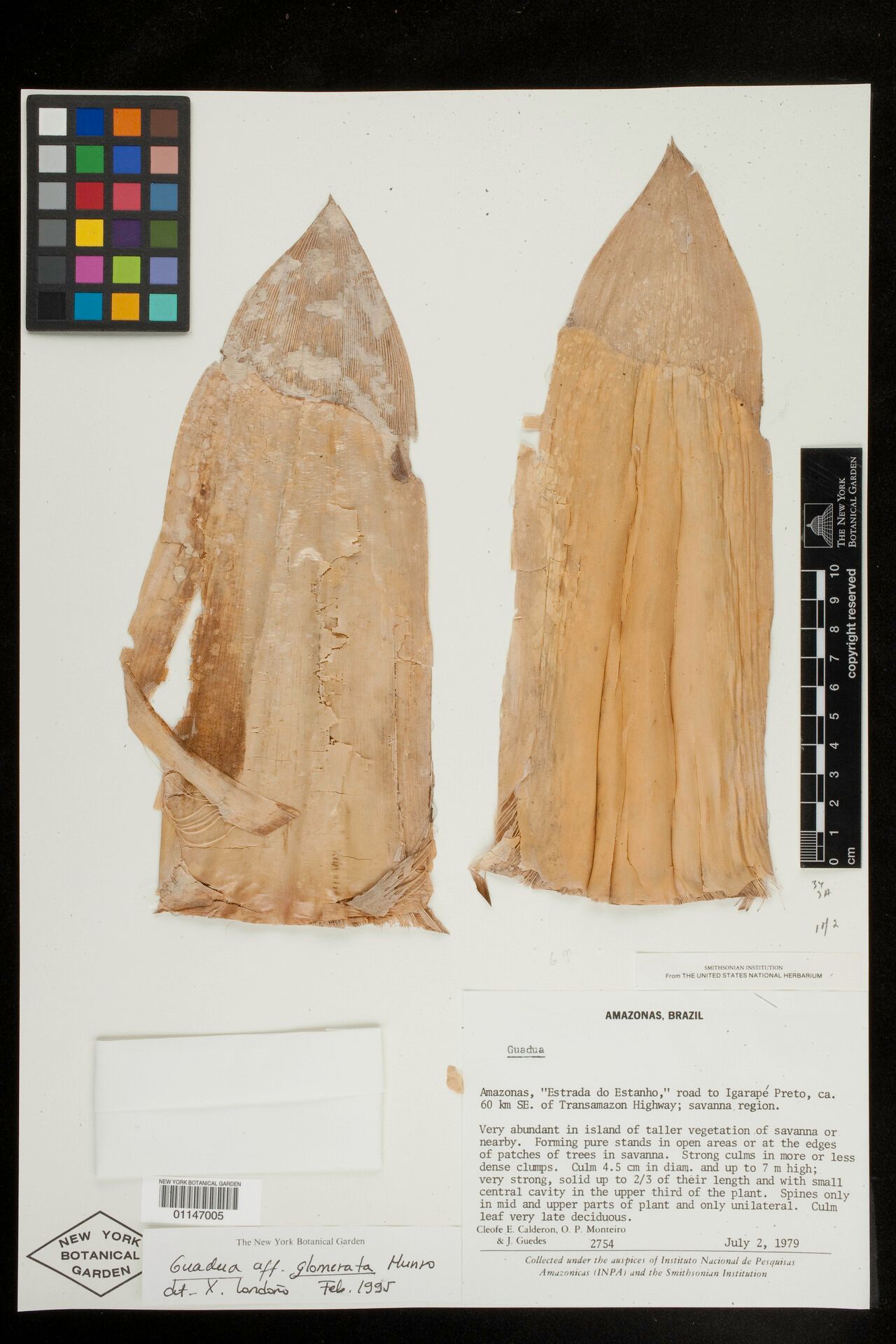
Propagating Guadua glomerata: A Guide to Growing Giant Bamboo
Guadua glomerata, also known as clumping bamboo or simply Guadua, is a striking species of bamboo prized for its robust growth, impressive height (reaching up to 20 meters), and exceptional strength. Its versatility makes it popular in landscaping, construction, and even food production (young shoots are edible). However, propagating Guadua glomerata presents unique challenges, requiring a deeper understanding of its growth habits and propagation techniques. Its popularity amongst gardeners is growing, driven by its aesthetic appeal and sustainable applications, making successful propagation highly rewarding.
Seed Germination:
Currently, there are no known reliable methods for seed germination propagation of Guadua glomerata. While the plant does produce seeds, germination rates are exceptionally low, and successful seedling establishment is extremely rare in natural and cultivated environments. Further research into specific seed treatment and germination conditions is necessary to ascertain if viable seed propagation can be reliably achieved.
Cuttings:
Cuttings represent the most common and generally successful method for propagating Guadua glomerata.
- Challenges: The success of cutting propagation depends heavily on the timing, the type of cutting used (e.g., rhizome cuttings are generally more successful than stem cuttings), and the provision of optimal environmental conditions. Improper handling can lead to fungal infections and desiccation.
- Practical Tips: The best time to take cuttings is during the plant’s active growing season. Rhizome cuttings, ideally including a node and a portion of attached root, offer the highest success rate. These should be planted in a well-draining, moist substrate (e.g., a mix of sand and peat). Maintaining high humidity and consistent moisture levels is crucial. Treating cuttings with a fungicide can help prevent rot.
- Rewards: Cuttings offer a straightforward method to increase the number of Guadua plants while preserving the genetic characteristics of the parent plant. This makes it ideal for maintaining desirable cultivars.
Division:
Division of established clumps is another viable propagation technique for Guadua glomerata.
- Challenges: Dividing established clumps requires careful excavation to avoid damaging the delicate rhizome system. This method is more labor-intensive than cuttings and suitable only for mature plants. Each division must contain a sufficient portion of rhizome and roots for successful establishment.
- Practical Tips: Division is best undertaken during the dormant season or early spring. Ensure each section contains a reasonable amount of established rhizomes and roots. Plant divisions immediately after separation into well-prepared planting holes with ample moisture.
- Rewards: Division allows for quicker establishment than cuttings, as the divisions start with existing root systems. It’s particularly suitable for propagating rare or valuable cultivars.
Tissue Culture:
Tissue culture offers the potential for large-scale propagation of Guadua glomerata and the generation of disease-free plants.
- Challenges: Tissue culture requires specialized equipment, a sterile environment, and experienced personnel. The protocol needs optimization for each species, and establishing reliable protocols for Guadua glomerata likely requires further research. Cost can be a significant factor.
- Practical Tips: Finding a reputable tissue culture laboratory familiar with bamboo propagation is crucial. They will determine the optimal explant source, media composition, and growth regulators.
- Rewards: Tissue culture is the most efficient method for mass production but requires significant initial investment and expertise. It offers the highest potential for disease elimination and genetic uniformity.
Conclusion:
Propagating Guadua glomerata presents varied challenges depending on the chosen method. While seed germination is currently unreliable, cuttings and division offer viable options for home gardeners, provided they are attentive to detail and consistently maintain optimal conditions. Tissue culture remains an advanced technique better suited for large-scale commercial propagation. The rewards, however, are undeniable: the gratification of successfully cultivating this majestic plant, contributing to its preservation, enjoying its aesthetic beauty, and potentially harnessing its diverse uses. For aspiring propagators, patience and perseverance are essential: the unique difficulties involved only increase the profound sense of accomplishment derived from watching these giants emerge from a cutting or division. Remember to research the specific needs of your chosen cultivar, ensuring you provide ideal conditions for your selected propagation method.