
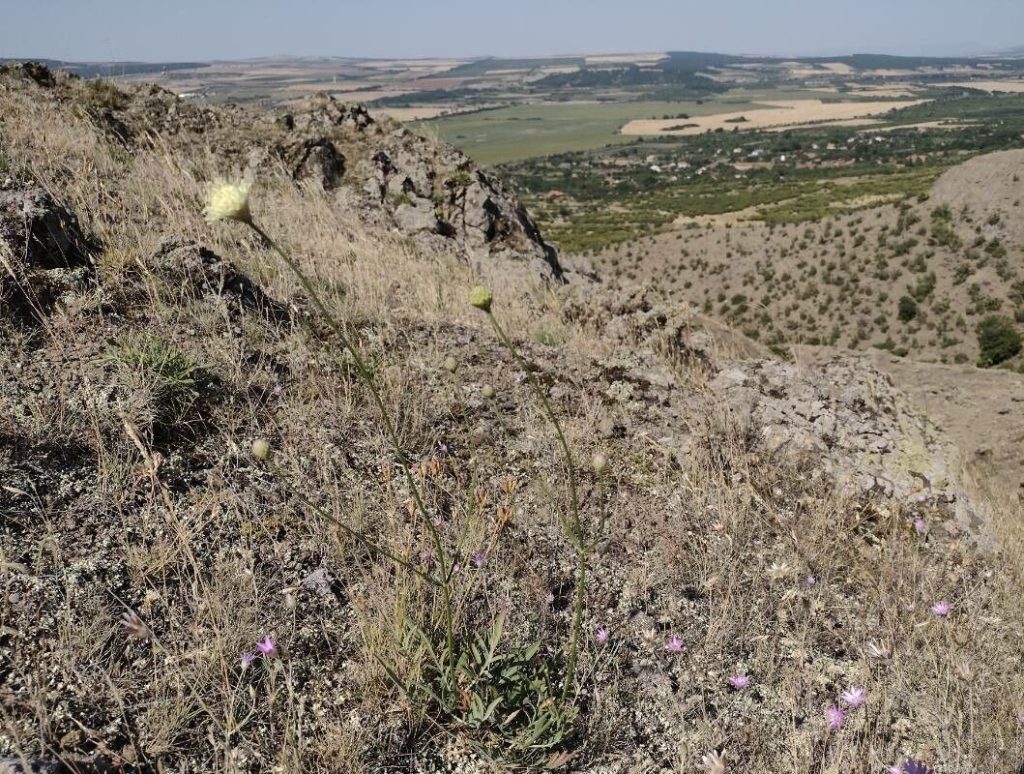
Propagating Cephalaria laevigata: A Gardener’s Guide to the Giant Scabious
Cephalaria laevigata, commonly known as Giant Scabious, is a striking herbaceous perennial prized for its impressive stature and towering flower heads. Its architectural form and delicate, numerous florets attract pollinators and add a dramatic focal point to any garden. This plant’s popularity amongst gardeners stems from its relatively easy cultivation (once established) and the impressive display it puts on during its flowering period. However, propagation can present some unique challenges. Its propagation success often hinges on understanding its specific needs and employing the right techniques.
Seed Germination:
Currently, there are no known reliable methods for seed germination propagation of Cephalaria laevigata. While seed may be produced, germination rates are notoriously low, and even with pre-treatment methods like stratification, consistent success remains elusive. This is likely due to factors such as seed dormancy mechanisms or specific microclimatic requirements not yet fully understood.
Cuttings:
Cuttings offer a more reliable method for propagating Giant Scabious.
-
Challenges: Success relies heavily on timing and technique. Taking cuttings too early or late in the season can reduce success rates. Furthermore, the cuttings are prone to fungal infections if not properly treated. Rooting can be slow.
-
Practical Tips: Basal cuttings taken in early summer, after the plant has established itself but before flowering, give the best results. Use a sharp knife or shears to take 10-15cm cuttings, ensuring a node is included. Remove lower leaves to prevent rotting. Dip the cuttings in rooting hormone, then plant them in a well-draining gritty compost mix. Maintain high humidity using a propagator or plastic bag, ensuring good airflow to reduce fungal growth.
-
Rewards: Cuttings produce genetically identical plants, preserving desirable traits. It’s a relatively quick method compared to seed propagation allowing for faster plant establishment.
Division:
Division is also a workable method, especially for mature plants.
-
Challenges: Disturbing the root system can stress the plant, potentially leading to reduced growth or even dieback. The plant must be sufficiently mature and large enough to allow for viable divisions without severely weakening it.
-
Practical Tips: Division is best undertaken during the early spring or autumn when the plant is dormant or beginning its new growth phase. Carefully dig up the plant, gently separate the root ball into several sections, each containing sufficient roots and shoots. Replant the divisions immediately, ensuring good soil contact and adequate watering.
-
Rewards: Division provides a relatively quick and efficient method to increase numbers of plants, especially of proven performers. It offers a more reliable alternative to seed and requires minimal specialist equipment.
Tissue Culture:
Tissue culture offers a potentially efficient way for mass propagation of high-quality plants, especially if superior clones are identified. However, this method requires specialized equipment and aseptic techniques.
-
Challenges: Tissue culture is a technically demanding process requiring specific skills, a controlled environment, and specialized media and equipment. It can be expensive and time consuming. The success rate can vary depending on laboratory conditions and the expertise of the technician.
-
Practical Tips: A controlled environment is essential to prevent contamination. Sterile media and rigorous sterilization protocols must be followed. Skilled technicians are essential for successful propagation.
-
Rewards: Tissue culture provides large-scale propagation of genetically uniform plants and offers potential for rapid multiplication and disease elimination.
Conclusion:
Propagating Cephalaria laevigata presents distinct challenges depending on the method employed. While seed germination is currently unreliable, cuttings and divisions offer workable pathways for the keen gardener. Tissue culture provides possibilities for large-scale commercial propagation, but its complexity and cost are limiting factors for most home gardeners. The satisfaction of successfully cultivating this striking plant, however, more than compensates for the effort involved. The towering flowerheads, the buzz of pollinators around its blooms, and the satisfaction of propagating your own prized specimen provide a unique reward for those who persevere. Persistence, attention to detail, and careful observation are key to success for aspiring propagators of this magnificent plant.