
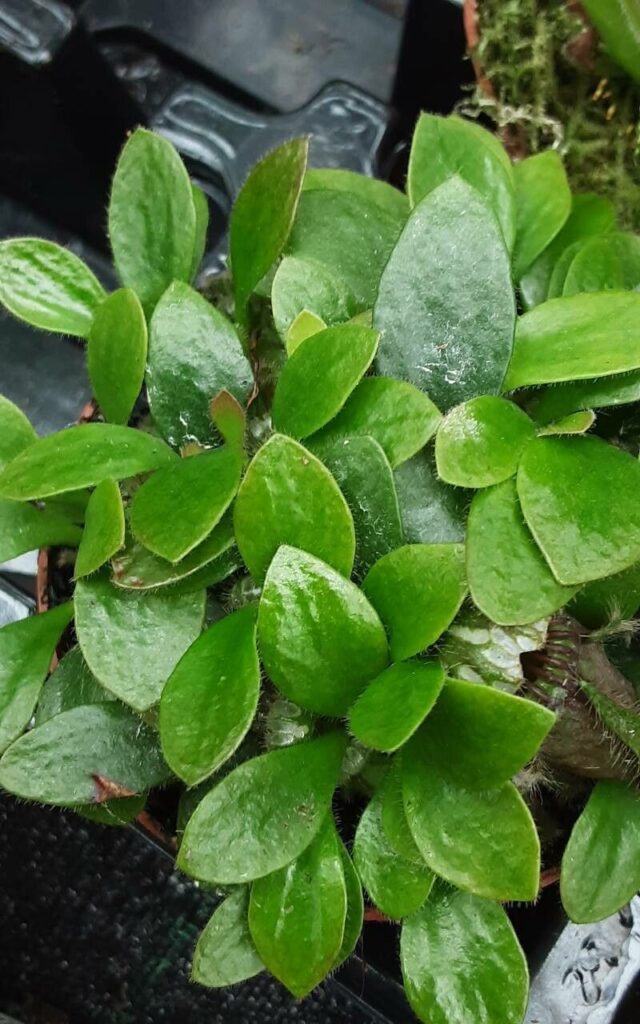
Tiny Terror, Big Potential: How to Propagate Cephalotus follicularis
The Cephalotus follicularis, affectionately known as the Albany Pitcher Plant, is a carnivorous beauty with a personality as intriguing as its appearance. These miniature, Australian natives are prized by plant enthusiasts for their unique, pitcher-shaped traps and diminutive size. But the real fun begins when you attempt to propagate them!
While Cephalotus can be a bit temperamental, propagation – the process of creating new plants from existing ones – can be incredibly rewarding. It’s a great way to increase your collection, share these fascinating plants with others, or simply enjoy the thrill of watching new life emerge.
The Three Main Methods of Cephalotus Propagation
There are three primary methods for propagating Cephalotus follicularis:
-
Leaf Cuttings: This is arguably the most common and easiest method. You can gently remove healthy leaves from your parent plant, making sure to leave a small portion of the leaf petiole (the stalk) attached. Place these cuttings in a well-draining mixture of peat moss and perlite, ensuring the petiole is submerged. Keep the cuttings in a humid, bright, and warm environment. It can take several months for new plants to emerge, but patience pays off!
-
Seed Propagation: Cephalotus produces small, black seeds. These seeds require special care and a long germination process, taking anywhere from a few months to a full year! However, for avid plant lovers, the thrill of watching a seed develop into a plant is well worth the effort.
- Division: If your Cephalotus has grown into a sizeable clump, you can carefully separate the plant to create individual divisions. Cut through the rhizomes (underground stems) with a sharp, sterilized knife or blade, ensuring each division has a root system and healthy foliage. Plant the divisions in their own pots and maintain their usual care regimen.
Important Considerations for Success
Regardless of the method you choose, success in propagating Cephalotus lies in following a few key guidelines:
- Sterilization: Keep your instruments clean! Sterilize your cutting tools with rubbing alcohol or a bleach solution to prevent the spread of diseases.
- Medium: A well-draining mixture of peat moss and perlite is essential for Cephalotus propagation. Avoid using overly fertile soil, as it can hinder root development.
- Humidity: Cephalotus thrives in humid environments. Use a propagation tray or cover your cuttings with a clear plastic dome to retain moisture.
- Light & Temperature: Provide your Cephalotus with bright, indirect light. Ideal temperatures for propagation range from 70-80°F (21-27°C).
- Patience: Be patient! Cephalotus can be slow growers, especially when propagated from seeds or cuttings. Don’t be disheartened if you don’t see immediate results.
Enjoy Your New Cephalotus Plants!
Once your Cephalotus seedlings or divisions have established roots and developed healthy foliage, they can be transferred to their own individual pots. With proper care, they will continue to thrive and grace your collection with their striking, diminutive traps. The joy of watching these tiny carnivores grow is a testament to the rewarding nature of plant propagation. So, give it a try and get ready to be amazed by the captivating world of Cephalotus follicularis!