
Spreading the Love: How to Easily Propagate Cerastium gracile
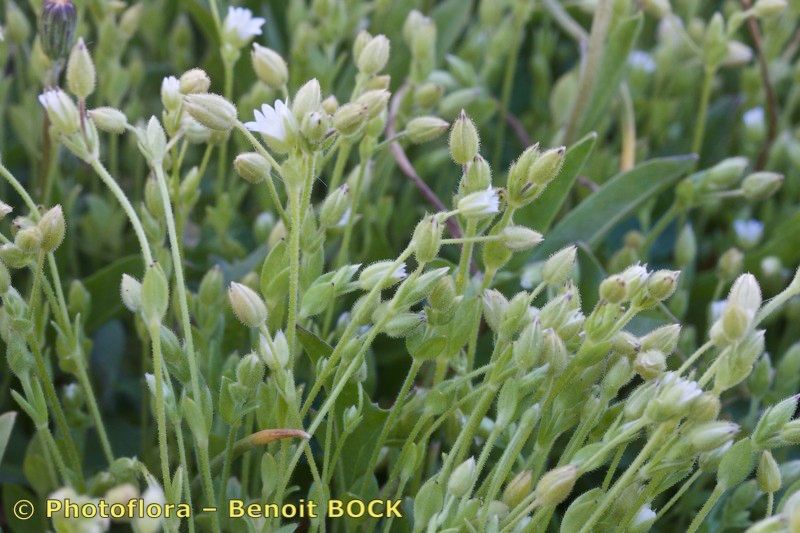
Cerastium gracile, also known as the “graceful mouse-ear chickweed”, is a delightful groundcover prized for its delicate, white blooms and airy foliage. Its charm lies in its ability to spread quickly, creating a soft, feathery carpet across the ground. But what if you want to increase your supply of this beautiful plant without spending a fortune on seeds or cuttings? Fear not, because propagation of Cerastium gracile is a breeze, even for beginner gardeners.
Two Easy Methods:
While there are several ways to propagate Cerastium gracile, the two most common and accessible methods are division and seed propagation.
1. Division – The Fast Track to More Plants
The easiest and quickest way to increase your Cerastium gracile is through division. This method involves separating existing plants into smaller, independent units. Here’s how:
- Best Time: Spring or fall are ideal times for division.
- Preparation: Choose a healthy, established plant with mature stems. Gently dig around the base of the plant, loosening the soil.
- Division: Carefully lift the plant out of the ground, ensuring minimal disturbance to the root system. Use a sharp knife or trowel to divide the plant into smaller clumps, each with its own roots and foliage.
- Replanting: Prepare new planting holes that are slightly larger than the root ball of the divisions. Place the divisions in the holes and gently firm in the soil. Water thoroughly.
2. Seed Propagation – Growing from Scratch
If you’re looking for a more hands-on experience or want to create a large number of new plants, seed propagation is a good option.
- Best Time: Sow seeds in the spring or autumn.
- Preparation: Choose a well-drained seed tray or pot filled with a sterile seed starting mix. Sow the seeds thinly, covering them lightly with soil.
- Germination: Provide your seeds with a moist environment, either by covering the tray with a clear dome or plastic wrap, or by placing it in a humidity dome. Aim for a temperature around 70°F for optimal germination.
- Transplanting: Once the seedlings have developed their first set of true leaves (usually within a few weeks), gently transplant them into individual pots or directly into the garden.
Tips for Success:
- Light and Soil: Cerastium gracile thrives in full sun to partial shade and prefers well-drained soil.
- Watering: Keep the soil consistently moist, especially during the establishment phase. However, avoid overwatering, as this can lead to root rot.
- Fertilizing: Light fertilization during the growing season can encourage healthy growth. However, excessive fertilization can lead to legginess.
Conclusion:
Propagating Cerastium gracile is a simple and satisfying process that allows you to expand your garden with this charming groundcover. Whether you choose division or seed propagation, you’ll be rewarded with lush, white blooms that will grace your garden for years to come. So, give it a try and enjoy the fulfilling experience of growing your own beautiful Cerastium gracile!