
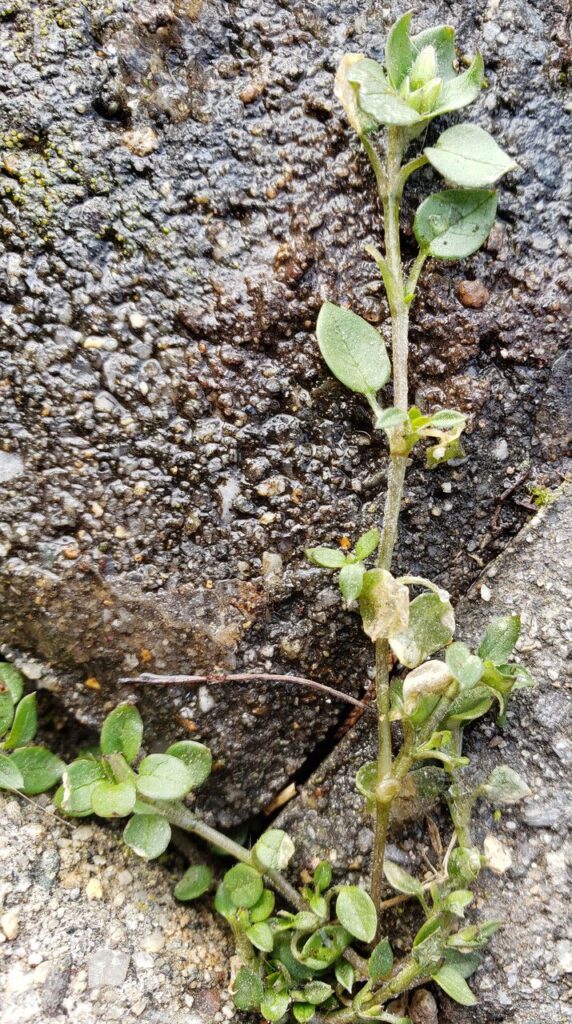
Unlocking the Secrets to Spreading Little Mouse-Ear Chickweed (Cerastium semidecandrum)
Little Mouse-ear Chickweed (Cerastium semidecandrum), despite its diminutive size and less-than-glamorous name, is a charming plant with a wildflower charm. This annual groundcover, with its fuzzy leaves and delicate white flowers, brings a touch of understated elegance to rock gardens, borders, and even cracks in paving. But how do you go about encouraging its spread and inviting more of this dainty beauty into your garden? Let’s dive into the world of Cerastium semidecandrum propagation.
The Power of Natural Regeneration
The beauty of Little Mouse-ear Chickweed lies in its self-seeding nature. This resilient plant freely scatters its seeds, often resulting in a delightful carpet of tiny green rosettes the following spring. Here’s how you can encourage this natural process:
- Let it Be: Resist the urge to deadhead spent flowers towards the end of spring. This allows the seedpods to mature and disperse their contents naturally.
- Mimic Nature: After the flowering season, lightly rake the area around the plant to help the seeds settle into the soil.
- Thin with Care: If seedlings become overcrowded, thin them out gently, leaving enough space for each plant to thrive.
Taking Propagation into Your Own Hands
While self-seeding is a reliable method, sometimes you might want a little more control over where your Little Mouse-ear Chickweed pops up. Here are two alternative approaches:
1. Seed Collection and Sowing:
- Gather Ripe Seeds: In late spring or early summer, carefully collect the small, brown seeds from the dried flower heads.
- Sow Directly: Sprinkle the seeds over prepared soil in either spring or fall. Gently press them into the soil surface, but avoid burying them deeply.
- Keep Moist: Water the area lightly but consistently until the seedlings emerge.
2. Division for Mature Plants:
- Divide in Spring: Gently dig up established plants in early spring.
- Separate Carefully: Using your hands or a sharp knife, divide the plant into smaller sections, ensuring each section has a good root system.
- Replant Immediately: Replant the divisions at the same depth they were previously growing, water well, and watch them flourish.
A Few Helpful Tips:
- Location, Location, Location: While adaptable, Cerastium semidecandrum thrives in well-drained soil and full sun to partial shade.
- Water Wisely: Water deeply but infrequently, allowing the soil to dry out slightly between waterings.
- Minimal Feeding: Little Mouse-ear Chickweed isn’t a heavy feeder. A light application of balanced fertilizer in spring is usually sufficient.
With minimal effort and a little understanding of its preferences, you can encourage the charming spread of Little Mouse-ear Chickweed in your garden. Whether you choose to let nature take its course or lend a helping hand through seed sowing or division, this delightful little plant is sure to reward you with its delicate beauty year after year.