
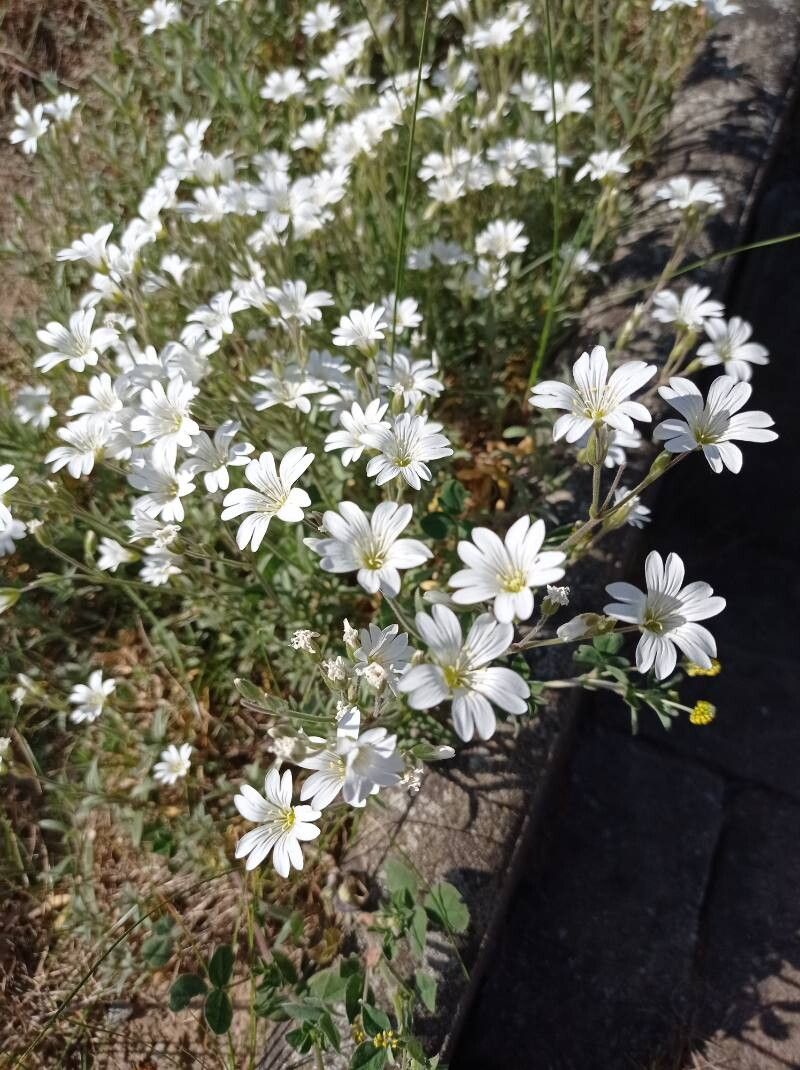
Propagating Cerastium soleirolii: Baby’s Tears and the Gardener’s Touch
Introduction:
Cerastium soleirolii, commonly known as Baby’s Tears, is a charming, low-growing perennial with delicate, round, bright green leaves. Its cascading habit makes it an ideal groundcover for hanging baskets, rock gardens, or as a spiller in containers. Its popularity stems from its ease of care (once established) and its ability to quickly form dense, attractive mats. However, propagation, while achievable, presents some unique challenges compared to other common garden plants. While seed propagation is uncommonly practiced, vegetative methods offer far greater success.
Seed Germination:
Currently, there are no known reliable methods for seed germination propagation of Cerastium soleirolii. Although the plant does produce seeds, their germination rate is notoriously low, and achieving successful germination is often considered impractical for home gardeners.
Cuttings:
Cuttings represent the most reliable and widely used method for propagating Cerastium soleirolii.
Challenges: While relatively straightforward, success depends on proper technique. Overwatering can lead to rot, while too-dry conditions will cause the cuttings to wilt.
Practical Tips: Take 4-6cm stem cuttings in spring or early summer. Remove lower leaves to prevent rotting. Dip the cut ends in rooting hormone (optional but recommended). Plant several cuttings in a well-draining seed-starting mix or perlite. Maintain consistently moist (but not soggy) soil and high humidity, ideally via a humidity dome or propagator. Rooting typically takes 2-4 weeks.
Rewards: Cuttings offer a quick and relatively easy way to multiply your existing plants. While genetically identical to the mother plant, it ensures a consistent and predictable outcome.
Division:
Division is also a highly successful method for propagating Cerastium soleirolii.
Challenges: Dividing requires careful handling to avoid damaging the delicate roots. Overly aggressive division can weaken the mother plant and reduce the chances of successful regrowth for both parent and offspring.
Practical Tips: The best time for division is in spring or autumn. Gently lift the established plant and carefully separate it into smaller clumps, ensuring each division maintains sufficient root mass and several healthy shoots. Replant the divisions immediately, ensuring they are well-watered.
Rewards: Division is a quick, efficient method to produce multiple plants, and it usually has a high success rate. The process is simple and doesn’t require specialized equipment.
Tissue Culture:
While theoretically possible, tissue culture propagation of Cerastium soleirolii is rarely undertaken by home gardeners. This method is more suitable for large-scale commercial propagation.
Challenges: Tissue culture requires specialized equipment, sterile conditions, and a strong understanding of plant tissue culture techniques. The setup and maintenance costs can be substantial.
Practical Tips: This method will need to be performed in a lab setting with sterile nutrient media and growth regulators.
Rewards: While expensive and complex, tissue culture allows for rapid propagation of large numbers of genetically identical plants, free of disease.
Conclusion:
Propagating Cerastium soleirolii presents unique challenges but offers significant rewards. While seed propagation is largely infeasible, cuttings and division offer reliable and relatively simple methods for home gardeners. Mastering these techniques provides a great sense of accomplishment, transforming a small plant into a thriving collection. The delicate beauty of Baby’s Tears, coupled with the satisfaction of successful propagation, makes it a truly rewarding plant to cultivate. For aspiring propagators, starting with cuttings is the most recommended method due to its simplicity and high success rate. With patience and attention to detail, you can easily expand your collection of these charming, mat-forming plants.