
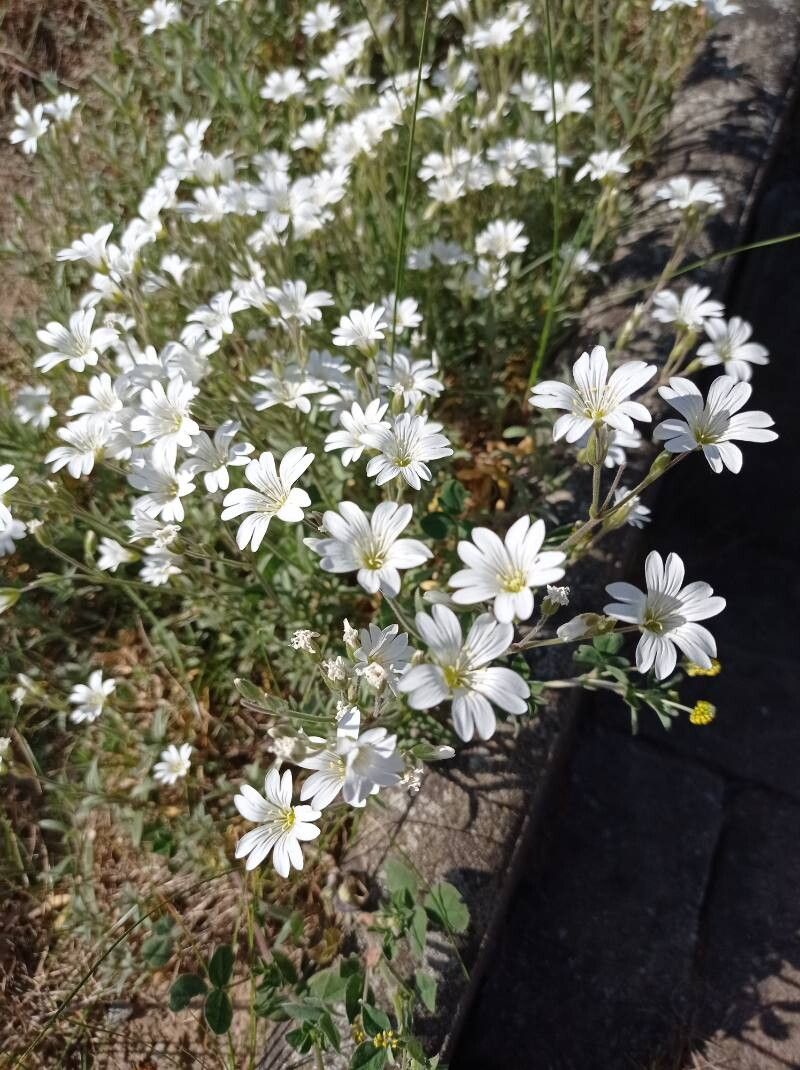
Propagating Baby’s Tears: A Guide to Cerastium soleirolii Cultivation
Introduction:
Cerastium soleirolii, commonly known as Baby’s Tears, is a charming, low-growing perennial groundcover prized for its delicate, tiny, round leaves and cascading habit. Its lush, carpet-like growth makes it a popular choice for hanging baskets, rock gardens, and as a filler plant in containers. Its adaptability and tolerance for shade contribute to its widespread appeal among gardeners, but its propagation presents some unique challenges. While visually delightful, achieving successful propagation requires understanding its specific needs.
Seed Germination:
Currently, there are no known reliable methods for seed germination propagation of Cerastium soleirolii. While the plant does produce seeds, their germination rate is exceptionally low, making this method impractical for most home growers.
Cuttings:
- Challenges: While relatively straightforward, success with cuttings depends on precise timing and technique. Overwatering can lead to rot, while underwatering can cause wilting.
- Practical Tips: Take stem cuttings in spring or early summer, ensuring each cutting includes 2-3 nodes. Remove the lower leaves to prevent rot. Dip the cut ends in rooting hormone for better results. Plant the cuttings in a well-draining mix, such as a peat and perlite blend, keeping the soil consistently moist but not soggy. High humidity, provided by a propagator or plastic bag, significantly improves rooting success. Expect rooting to take several weeks.
- Rewards: Cuttings offer a relatively quick and simple way to increase the number of plants, preserving the characteristics of the parent plant. It’s an ideal method for small-scale propagation.
Division:
- Challenges: Division requires a mature, established plant. Care must be taken to avoid damaging the delicate root system.
- Practical Tips: The best time to divide Baby’s Tears is in spring or fall. Gently lift the mature plant from its pot or from the ground, carefully separating the root ball into smaller sections, each with several stems and roots. Replant the divisions immediately, ensuring they are well-spaced. Water gently after dividing.
- Rewards: Division is a reliable and efficient method for propagating large quantities of Baby’s Tears. It is less prone to failure compared to cuttings and allows for quick establishment of new plants.
Tissue Culture:
- Challenges: Tissue culture requires specialized equipment, a sterile environment, and a considerable amount of technical knowledge. It is not a practical method for the average home gardener.
- Practical Tips: This method involves growing plants from small pieces of plant tissue in a nutrient-rich medium under sterile conditions. It requires specialized training and equipment, including autoclaves, laminar flow hoods, and growth media.
- Rewards: Tissue culture offers the potential for large-scale propagation and disease-free plants. It is the only method suitable for large-scale commercial production of Baby’s Tears.
Conclusion:
Propagating Cerastium soleirolii presents its own unique set of challenges, with seed propagation being unreliable. While cuttings and division are viable methods for the home gardener, success relies on attention to detail, including appropriate timing, proper soil moisture, and careful handling. Tissue culture offers a high-volume solution but is inaccessible to most enthusiasts. Nonetheless, the reward—a thriving carpet of delicate Baby’s Tears—is well worth the effort. The satisfaction derived from nurturing these tiny plants from cuttings or divisions into lush, spreading mats is a testament to the patience and skill of the cultivator. For aspiring propagators, remember that patience and attention to detail are key to success with this charming groundcover. Start small, experiment with cuttings, and you too can enjoy the enchanting beauty of successfully propagated Baby’s Tears.