
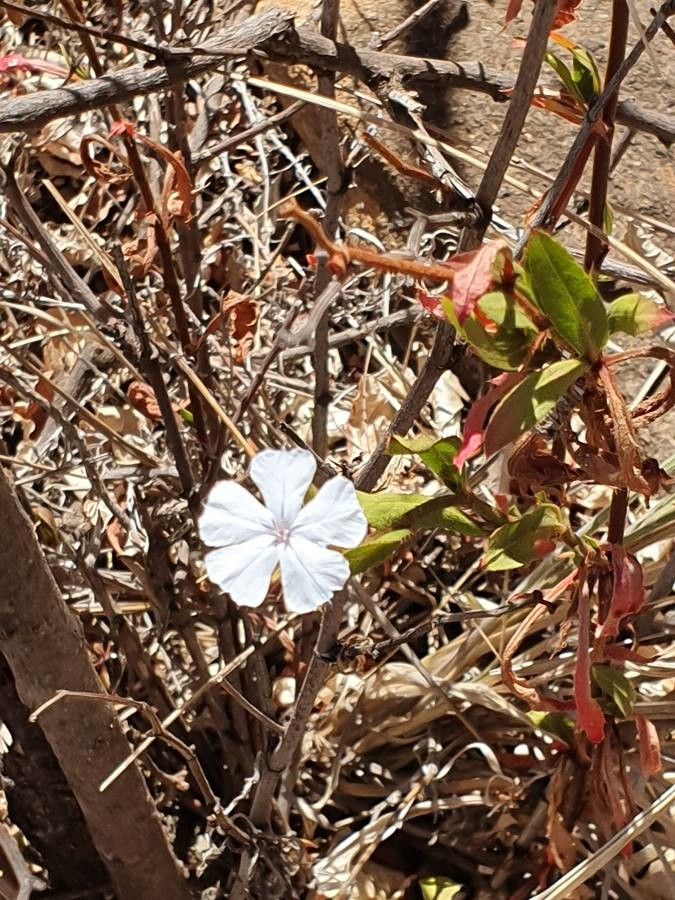
Propagating Ceratostigma abyssinicum: A Gardener’s Guide to the Abyssinian Leadwort
Ceratostigma abyssinicum, commonly known as Abyssinian leadwort, is a captivating shrub prized for its vibrant blue flowers and attractive foliage. Its late-summer bloom adds a striking pop of color to gardens, making it a popular choice among gardeners. However, propagating this plant can present unique challenges. This article explores various propagation methods, highlighting their feasibility and offering practical advice for successful cultivation.
Seed Germination:
Currently, there are no known reliable methods for seed germination propagation of Ceratostigma abyssinicum. While the plant produces seeds, their germination rate is exceptionally low, and reported successful germination is anecdotal and lacks widespread reproducibility. Therefore, relying on seed propagation for this species is not recommended.
Cuttings:
Cuttings offer a more reliable method for propagating Ceratostigma abyssinicum.
Challenges: Success depends heavily on timing and technique. Hardwood cuttings taken in late autumn or early winter, after the plant has gone dormant, tend to yield the best results. Semi-hardwood cuttings taken in summer can also be attempted, but success rates are lower.
Practical Tips: Take cuttings approximately 4-6 inches long, removing lower leaves to prevent rot. Dip the cut ends in a rooting hormone solution to stimulate root development. Plant cuttings in a well-draining medium, such as a mixture of perlite and peat moss, maintaining high humidity (e.g., using a propagator or covering with a plastic bag). Keep the medium consistently moist but not waterlogged. Rooting typically takes several weeks to months.
Rewards: Cuttings offer a simple way to reproduce genetically identical plants, preserving desirable traits. This method is well-suited for small-scale propagation.
Division:
Division is another viable propagation method, particularly suitable for established plants.
Challenges: This method is best suited for larger, mature plants. Care must be taken to avoid damaging the root system during the division process.
Practical Tips: Divide the plant in early spring or late autumn, when the plant is dormant. Ensure each division has a healthy root system and sufficient foliage. Replant the divisions immediately into well-prepared soil, ensuring adequate watering and protection from harsh weather conditions.
Rewards: Division is a relatively easy and quick method to increase the number of plants, resulting in immediate flowering. It is also a less technical method than cuttings or tissue culture.
Tissue Culture:
Tissue culture offers a potential method for large-scale propagation and disease-free stock production of Ceratostigma abyssinicum. However, this approach requires specialized equipment, sterile techniques, and expertise in plant tissue culture.
Challenges: Establishing aseptic culture and optimizing the growth medium for Ceratostigma abyssinicum requires significant experience and specialized knowledge in plant tissue culture. It also carries a higher setup cost than other methods.
Practical Tips: This process involves sterilizing plant material, culturing on a specialized growth medium using aseptic technique, and then sub-culturing multiple times until sufficient plantlets are generated for transfer to soil. Detailed protocols are not readily available for this species, and experimentation would likely be required.
Rewards: Tissue culture allows for the mass propagation of disease-free plantlets, crucial for commercial production and conservation efforts. It offers the potential to produce a large number of plants consistently from a small amount of starting material.
Conclusion:
Propagating Ceratostigma abyssinicum presents a unique set of challenges. While seed germination is unreliable, cuttings and division provide viable options for the home gardener. Tissue culture offers an advanced technique for large-scale propagation but demands specialized knowledge and resources. The unique satisfaction derived from successfully propagating this beautiful plant stems from navigating these challenges and witnessing the rewarding outcome of these efforts. Don’t be discouraged by initial setbacks—persistent effort and careful attention to detail will ultimately result in the successful cultivation of this stunning addition to any garden. Remember to research and choose the propagation method most suitable to your skill level and resources.