
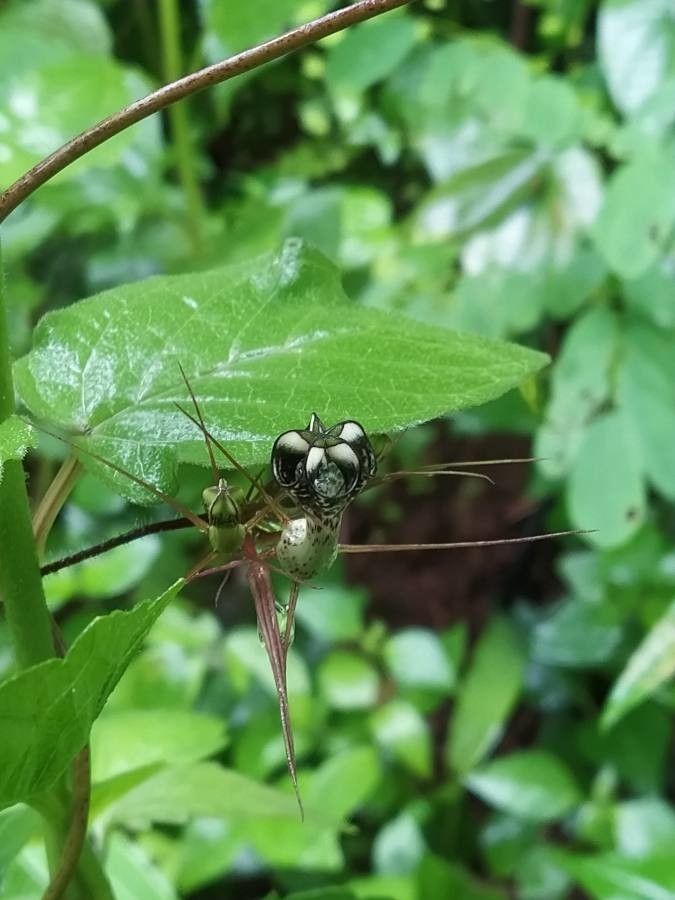
Propagating the "Chocolate Soldier": Unveiling the Secrets of Ceropegia Fantastica
Ceropegia fantastica, affectionately known as the "Chocolate Soldier" due to its unique dark, almost chocolate-brown, stems and intriguing, lantern-shaped flowers, is a captivating succulent gaining immense popularity among plant enthusiasts. Its unusual appearance and relatively low maintenance requirements make it a desirable addition to any collection. However, propagating this intriguing plant presents unique challenges and rewards. This article explores the various methods available, examining their viability and offering practical advice for successful propagation.
Seed Germination:
Currently, there are no known reliable methods for seed germination propagation of Ceropegia fantastica. While the plant does produce seeds, their germination rate is reportedly extremely low, and successful germination under controlled conditions has not been widely documented. Further research into specific germination requirements, such as light exposure, temperature, and potentially scarification techniques, is needed.
Cuttings:
This is the most commonly employed and reliable method for propagating Ceropegia fantastica.
- Challenges: While relatively straightforward, successful propagation from cuttings requires attention to detail. Failing to provide appropriate conditions can lead to rot before rooting occurs.
- Practical Tips: Take stem cuttings of approximately 4-6 inches long, ensuring each cutting has at least two nodes. Allow the cut ends to callous over for a few days before planting. Plant the cuttings in a well-draining succulent and cactus potting mix. Avoid overwatering; allow the soil to dry completely between waterings. Propagating in a humid environment (e.g., using a humidity dome) can significantly improve rooting success. Bottom heat can also speed up the process.
- Rewards: Cuttings offer a relatively quick and easy method for multiplying your Ceropegia fantastica plants, preserving the genetic characteristics of the parent plant.
Division:
Division is another viable propagation method, particularly useful when the plant becomes overcrowded in its pot.
- Challenges: Care must be taken during division to avoid damaging the delicate roots. Each division should ideally contain a healthy portion of roots and stems for successful establishment.
- Practical Tips: Gently remove the plant from its pot and carefully separate the root ball into smaller sections, ensuring each section has sufficient roots and stems. Replant each division into individual pots filled with well-draining potting mix. Water sparingly initially, allowing the roots to establish themselves.
- Rewards: Division allows for the quick propagation of multiple plants and also aids in the overall health and vigor of the parent plant by preventing overcrowding.
Tissue Culture:
Tissue culture offers the potential for large-scale propagation of Ceropegia fantastica and the generation of disease-free plants. However, this method requires specialized equipment, sterile conditions, and technical expertise.
- Challenges: Establishing a sterile culture and maintaining contamination-free conditions is critical. The process also requires specific plant growth regulators and a thorough understanding of tissue culture techniques.
- Practical Tips: This method is best left to experienced tissue culture laboratories or enthusiasts with extensive knowledge and resources.
- Rewards: Tissue culture provides the highest potential for mass propagation, disease elimination, and genetic preservation.
Conclusion:
While propagating Ceropegia fantastica presents challenges, particularly concerning seed germination, the rewards of successfully cultivating this unique plant are significant. Cuttings and division offer reliable and relatively accessible methods for plant propagation, suitable for home growers. The unique satisfaction derived from nurturing a cutting into a thriving plant, overcoming the initial hurdles of propagation, is a testament to patience and a deep appreciation for the wonders of the plant world. For aspiring propagators, a cautious approach, a well-draining growing medium, and careful watering are key to success. The beauty and unusual charm of the Chocolate Soldier will more than compensate for the effort invested in its cultivation.