
Propagating the Exquisite Ceropegia sandersonii: A Gardener’s Guide
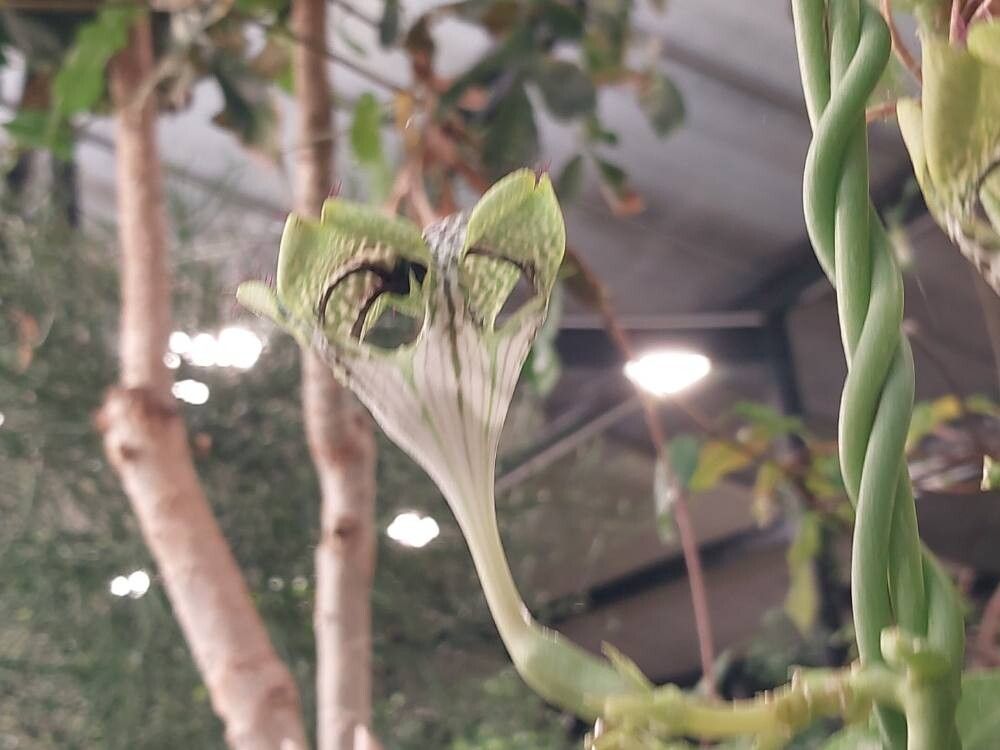
Ceropegia sandersonii, commonly known as the parachute plant or lantern flower, is a captivating succulent vine prized for its unique, delicate blossoms resembling miniature parachutes. Its unusual flowers, coupled with its relatively easy cultivation, have made it a popular choice among succulent enthusiasts. However, propagation can present some unique challenges and requires understanding the plant’s specific needs. This article explores various propagation methods for this fascinating plant.
Seed Germination:
Currently, there are no known reliable methods for seed germination propagation of Ceropegia sandersonii. While the plant does produce seeds, germination rates are exceptionally low, and successful propagation through this method is rarely reported. Further research into specific germination requirements might be necessary to unlock this potential, but for now, other methods should be prioritized.
Cuttings:
- Challenges: While cuttings are a relatively common and successful method for propagating Ceropegia sandersonii, ensuring proper rooting is crucial. The cuttings can be prone to rot if not handled appropriately.
- Practical Tips: Semi-hardwood cuttings taken in spring or early summer are generally most successful. Allow cuttings to callus over for a few days before planting them in a well-draining succulent potting mix. Use a rooting hormone to encourage root development. Keep the cuttings in bright, indirect light and maintain consistently moist (but not soggy) conditions. Bottom heat can significantly aid rooting success. Propagation can also be attempted via leaf cuttings, which are slower but can be successful.
- Rewards: Cuttings offer a straightforward method to increase your Ceropegia sandersonii stock relatively quickly and reliably, preserving the exact genetic characteristics of the parent plant.
Division:
- Challenges: Ceropegia sandersonii does not readily form dense clumps, making division less effective than cuttings. Dividing the plant necessitates carefully separating established tubers or rhizomes, which can easily be damaged if not handled correctly.
- Practical Tips: Division is best attempted during the active growing season (spring or early summer). Carefully remove the plant from its pot, gently loosen the soil, and separate the plant into distinct sections, each containing healthy roots and shoots. Replant the divisions immediately into well-draining potting mix. Ensure each division has a sufficient root system to support its growth.
- Rewards: Division, when successful, can quickly produce multiple plants, and this is a less disruptive method than taking numerous cuttings.
Tissue Culture:
- Challenges: Tissue culture is a sophisticated technique requiring specialized equipment, sterile conditions, and a detailed understanding of plant tissue culture protocols. It is not a beginner-friendly method.
- Practical Tips: This technique requires a sterile laboratory environment, nutrient agar, and specific growth hormones to encourage callus formation and shoot development. While potentially yielding a large number of plants from a small sample, the setup and execution are highly technical and demanding.
- Rewards: Tissue culture offers the possibility of large-scale propagation, disease elimination, and the preservation of valuable genetic material. However, the high initial investment and specialized skill requirement make it unsuitable for most home growers.
Conclusion:
Propagating Ceropegia sandersonii can be challenging, with seed germination currently presenting an insurmountable hurdle. Cuttings offer the most reliable and accessible method for the average home grower. Division offers an alternative but is limited by the plant’s growth habit. Tissue culture provides potential for large-scale propagation but necessitates significant expertise and resources. The unique satisfaction of successfully propagating this unusual plant, however, far outweighs the difficulties involved. The delicate "parachute" flowers that reward your efforts are a testament to patience and horticultural skill. Remember to prioritize well-draining soil, proper light conditions, and careful handling, and you’ll be well on your way to enjoying a thriving collection of these intriguing vines.