
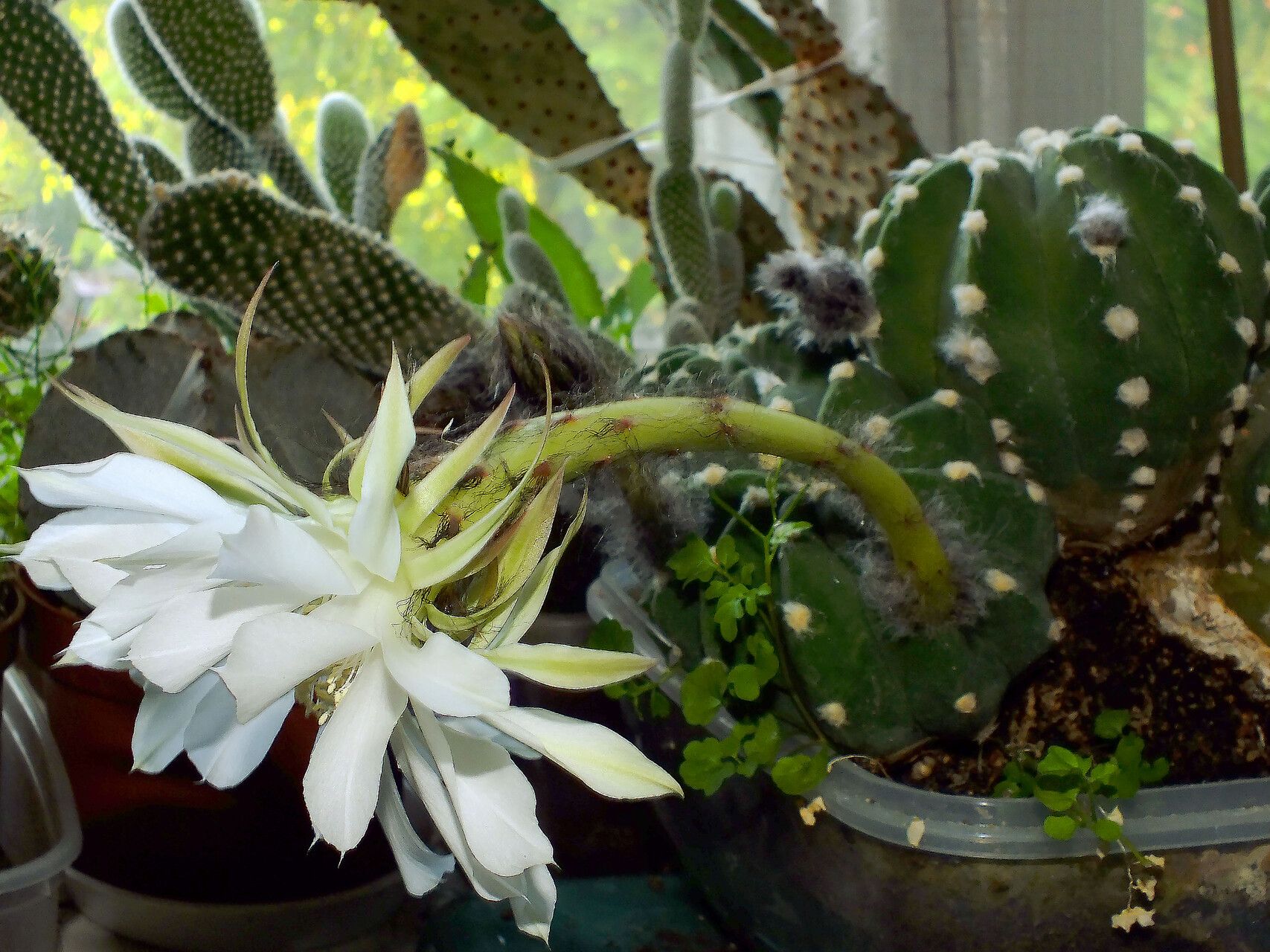
Propagating Lobivia ancistrophora: A Gardener’s Guide
Introduction:
Lobivia ancistrophora, also known as the hooked-spine Lobivia, is a captivating cactus species native to Argentina and Bolivia. Its appeal lies in its relatively compact size, vibrant flowers in shades of yellow, orange, and red, and the characteristic hooked spines that give it its name. This makes it a popular choice amongst cactus enthusiasts, although propagating it presents a unique set of challenges. Its variability in flower colour within populations also makes seed-grown plants particularly desirable, offering the chance to discover new and beautiful variations.
Seed Germination:
Seed germination is a viable and rewarding method for propagating Lobivia ancistrophora. However, it presents several challenges. Fresh seeds are crucial for successful germination. Older seeds significantly reduce germination rates. Furthermore, Lobivia ancistrophora seeds benefit from a period of stratification, mimicking the natural temperature fluctuations they experience in their native habitat. This can be achieved by sowing seeds in a damp medium (e.g., a mix of perlite and vermiculite) and placing them in the refrigerator for 4-6 weeks at around 4°C (39°F). After stratification, sow the seeds thinly onto a well-draining seed-starting mix, keeping them moist but not waterlogged. A warm (20-25°C or 68-77°F), bright location (but avoiding direct sunlight) is ideal. Germination can take several weeks to months.
Challenges: Low germination rate from old seeds, requiring fresh seeds and stratification.
Tips: Use fresh seeds, pre-stratify seeds, maintain consistent moisture and warmth.
Rewards: Genetic diversity, possibility of novel flower colour variations, large-scale propagation potential.
Cuttings:
Cuttings are generally not a reliable method for propagating Lobivia ancistrophora. These cacti tend not to readily root from stem or pad cuttings, making this method less successful than seed propagation or division.
Challenges: Extremely low success rate due to difficulty in rooting.
Tips: While there is little hope of success, using rooting hormone and very well-draining substrate may slightly increase chances, but results should not be expected.
Rewards: Minimal to none; not a recommended method.
Division:
Division is a feasible method for propagating Lobivia ancistrophora, especially for mature plants that have produced offsets or "pups". These smaller plants, genetically identical to the parent, can be carefully separated during repotting, ensuring each division has sufficient roots. Allow the cut surfaces to callus over for a few days before planting them in a well-draining cactus mix. Keep the divisions slightly moist but avoid overwatering until they establish new roots.
Challenges: Requires a mature plant with offsets; can damage the parent plant if not done carefully.
Tips: Use a sharp, clean knife, allow cut surfaces to callous, use well-draining potting mix, avoid overwatering.
Rewards: Relatively easy method for multiplying existing plants, produces genetically identical plants.
Tissue Culture:
Tissue culture offers a highly efficient method for propagating Lobivia ancistrophora, allowing for large-scale production of genetically uniform plants. However, it requires specialized knowledge, equipment, and a sterile laboratory environment. While viable, this is typically only undertaken by specialist nurseries or researchers and is not a practical option for the home gardener.
Challenges: Requires specialized equipment, skills, and sterile environment; expensive and time-consuming.
Tips: This method is best left to professionals.
Rewards: Mass propagation of genetically identical plants; potential for disease-free stock.
Conclusion:
Propagating Lobivia ancistrophora presents a range of challenges and rewards depending on the chosen method. While seed germination offers the greatest potential for diversity but requires patience and the use of fresh seeds, division provides a relatively straightforward approach for multiplying existing plants. Cuttings are largely unproductive. Tissue culture offers a powerful solution for mass propagation but is not achievable at home. The effort invested in successfully propagating this charming cactus, however, is handsomely repaid by the vibrant bloom and the satisfaction of nurturing life from seed or offset. Don’t be discouraged by initial setbacks; the joy of seeing your Lobivia ancistrophora thrive is well worth the patience and attention required.