
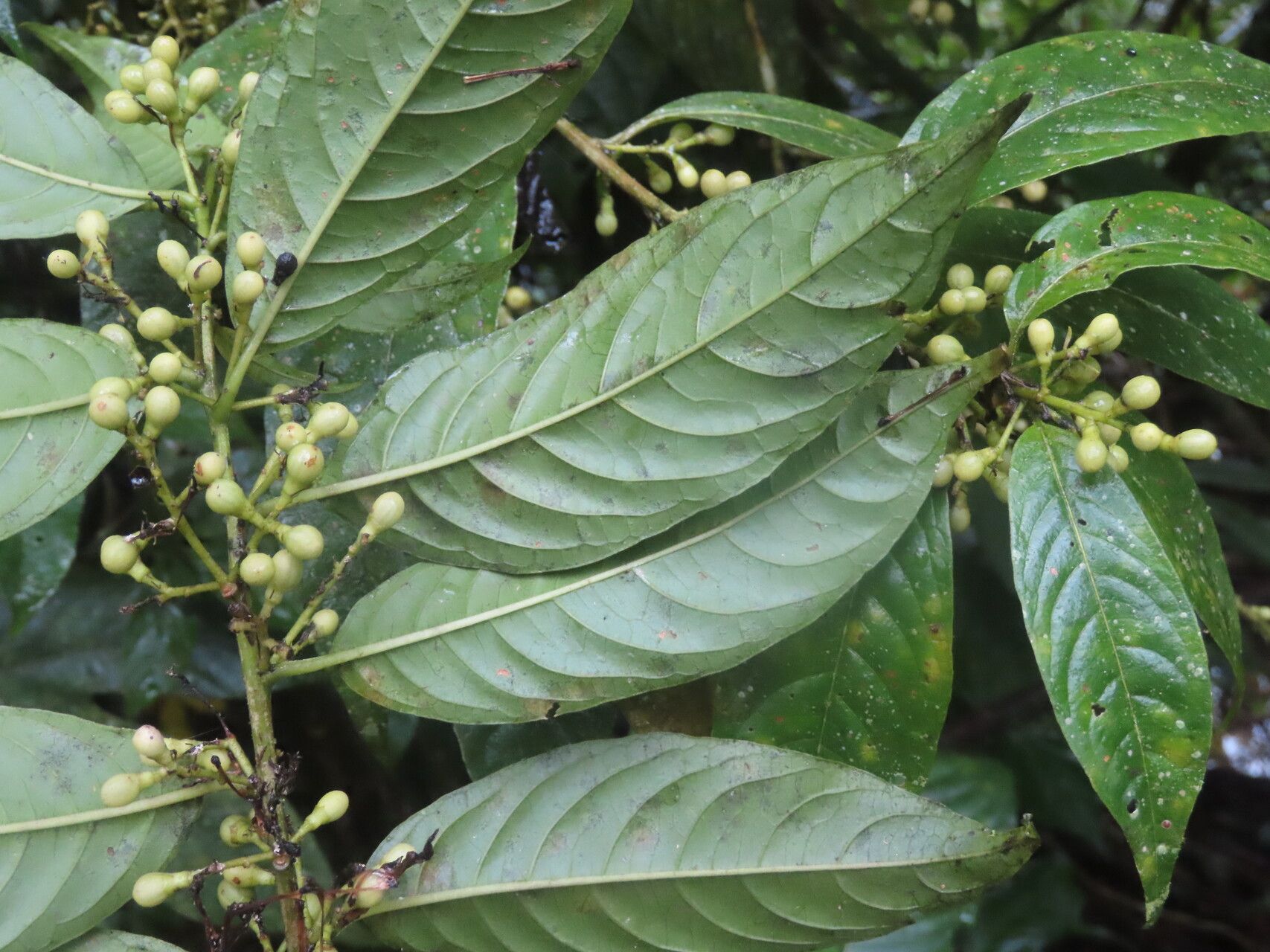
Propagating Cestrum microcalyx: A Gardener’s Guide to the Sweet-Scented "Red Cestrum"
Introduction:
Cestrum microcalyx, commonly known as Red Cestrum or Bastard Jasmine, is a captivating shrub prized for its prolific display of vibrant, tubular red flowers and intensely fragrant aroma, particularly in the evenings. Its attractiveness to hummingbirds and its tolerance to drought and poor soils makes it a popular choice among gardeners, particularly in warmer climates. However, its propagation presents some unique challenges compared to other readily propagated shrubs. While this species offers a relatively easy propagation through cuttings, its other methods present more complexities.
Seed Germination:
Currently, there are no known reliable methods for seed germination propagation of Cestrum microcalyx. While the plant does produce seeds, their germination rate is extremely low, and successful germination under controlled conditions has not been consistently documented. Further research into specific germination requirements, including potential stratification techniques or hormonal treatments, might reveal future possibilities.
Cuttings:
Cuttings offer the most successful and commonly used method for propagating Cestrum microcalyx.
Challenges: The primary challenge lies in achieving optimal rooting. Hardwood cuttings taken from mature stems typically perform poorly.
Practical Tips: The most reliable method involves using semi-hardwood cuttings, taken in late spring or early summer from the current season’s growth. Cuttings should be about 4-6 inches long, with the lower leaves removed to prevent rotting. Dipping the cut ends in rooting hormone before planting in a well-draining propagation mix (e.g., perlite and peat moss) significantly increases the success rate. Maintaining high humidity (e.g., using a propagator or plastic bag) and consistent moisture are crucial.
Rewards: Cuttings offer a relatively quick and straightforward method, resulting in genetically identical plants to the parent plant. This is advantageous for maintaining desirable traits in cultivars.
Division:
Division of established Cestrum microcalyx plants is possible but not widely practiced.
Challenges: The root system can be somewhat fragile, increasing the risk of damage during division. Furthermore, successfully transplanting divided portions can be challenging, especially for larger shrubs.
Practical Tips: Division is best undertaken during the dormant season or early spring. Carefully dig up the plant, gently separating the root ball into sections, ensuring each section has sufficient roots and stems. Replant immediately and water well.
Rewards: Division offers a relatively quick way to increase the number of plants, but is best suited for smaller, well-established plants.
Tissue Culture:
Tissue culture propagation for Cestrum microcalyx is not widely documented and likely requires specialized expertise and equipment.
Challenges: Establishing sterile conditions, finding the right media composition, and optimizing growth hormones to induce shoot multiplication and root formation present significant hurdles.
Practical Tips: This method is best left to laboratories or nurseries with sufficient expertise in plant tissue culture techniques.
Rewards: Tissue culture offers the potential for large-scale propagation and disease-free plants.
Conclusion:
Propagating Cestrum microcalyx presents a unique set of challenges, demanding patience and a willingness to experiment. While seed propagation currently exhibits low success rates, cuttings provide a consistently reliable method for the average gardener. Division is an option for smaller plants, while tissue culture remains a specialized technique. The satisfaction of successfully nurturing a cutting through to a mature, fragrant Cestrum microcalyx, however, far outweighs the initial difficulties. The vibrant blooms and intoxicating scent reward the persistent grower, proving that the journey is as rewarding as the destination. For aspiring propagators, I encourage you to start with cuttings and embrace the learning process; the beauty of Red Cestrum awaits!